Top 10 Food Synergy Super Foods
Boost your health with these super-healthy foods.
(continued)
10 Synergy Super Foods
- Whole Grains
Whole grains are naturally low in fat and cholesterol-free; contain 10% to 15% protein and offer loads of fiber, resistant starch and oligosaccharides, minerals, vitamins, antioxidants, phytochemicals, and often, phytoestrogens. With all those nutrients in one package, it’s no wonder whole grains provide so many health benefits, including protection from heart disease, stroke, diabetes, insulin resistance, obesity, and some cancers. - Veggies -- Especially Dark Green Ones
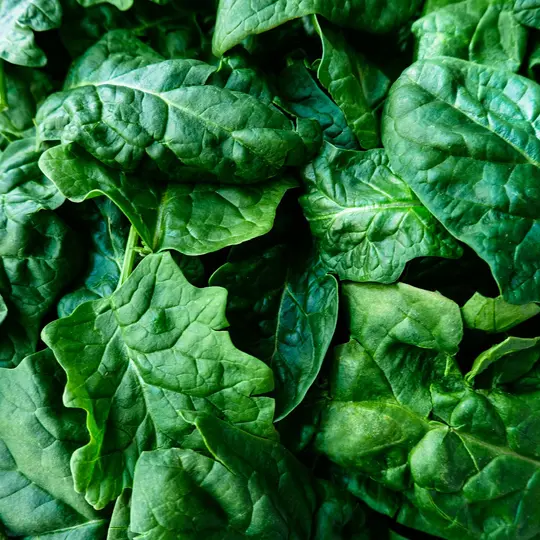
Whether it’s the two vegetables high in viscous fiber (eggplant and okra); the cruciferous veggies (like kale and broccoli) with their anticancer organosulfur compounds; or the carotenoid family (like carrots, sweet potatoes, and spinach) with their rich mix of phytochemicals, the message is clear: The more the merrier! Eat as many vegetables as you can, as often as you can. Dark green veggies, in particular, showed up on all sorts of food synergy lists in my book: for vegetables high in vitamin C; foods with multiple carotenoids; foods high in potassium, calcium, and magnesium; and good sources of vitamin E. - Nuts
Nuts contain mostly monounsaturated fat, and antioxidant phytochemicals (like flavonoids). Most also contribute phytosterols, which in sufficient amounts may help lower blood cholesterol, enhance the immune system, and decrease the risk of some cancers. Nuts also have some vitamins and minerals we tend to lack, like vitamin E, potassium, and magnesium. Two forms of vitamin E tend to work best together (alpha- and gamma-tocopherol), and you’ll find them in almonds, cashews, and walnuts. Walnuts also contain some plant omega-3s. - Tea (Especially Green Tea)
With each sip, you get two potent flavonoids -- anthocyanin and proanthocyanidin -- plus a healthy dose of catechin, which may enhance the antioxidant activity of alpha-tocopherol (a form of vitamin E). Green and black teas also contain antioxidant polyphenols, thought to block cell damage that can lead to cancer. Phytochemicals in tea have a half-life of a few hours, so have a cup now and another later to get the biggest bang for your tea bag. - Olive Oil.
There are 30-plus phytochemicals in olive oil, many of which have antioxidant and anti-inflammatory action in the body, helping to promote heart health and protect against cancer. They're also found in the olives themselves, of course. - Fish
Fish offers heart-healthy omega-3 fatty acids, along with a dose of potassium. It’s also a rare natural food source of vitamin D. A recent Norwegian study found that the intake of fish and fish products was strongly linked to higher mental performance in a group of men and women aged 70-74. And because lean fish had the same health benefits as fatty fish in this study, it may not be just the omega-3s at work, but perhaps a combination of components found in fish. Fish omega-3s may also have some synergy with plant omega-3s and olive oil, so cook your seafood with a little canola oil or olive oil. Or, serve your seafood with a side dish rich in plant omega-3s or lightly dressed in olive oil. - Tomatoes
Tomatoes contain all four major carotenoids, which have synergy as a group. Few fruits and vegetables can say that! Tomatoes also contain three high-powered antioxidants thought to have synergy together (beta-carotene, vitamin E, vitamin C) as well as lycopene, which has synergy with several food components. - Citrus
The whole citrus family is loaded with synergy because it boasts plenty of vitamin C and the phytochemical subgroup flavones, which are thought to have antioxidant and anti-inflammatory action in the body, as well as other benefits. Oranges also offer two carotenoids: lutein and zeaxanthin. Grapefruits are rich in the antioxidant lycopene. - Flaxseed
Ground flaxseed seems to have synergy within itself on many levels, through fiber, lignans (plant estrogens), and plant omega-3s. But the seed may have synergy with several other foods, such as fish omega-3s and soy, and these are just the ones we know about. Remember, it’s ground flaxseed you want to add to your yogurt or cereal. All those healthy components aren’t absorbed and available to the body until the seed is ground. - Low-Fat Dairy
Dairy foods deliver a team of players that’s important for healthy bones (calcium, vitamin D, protein, phosphorus, magnesium, vitamins A and B6), some of which have synergy together. Calcium combined with vitamin D, for example, may reduce the risk of colon cancer. Including a couple of low-fat dairy servings a day is also part of the DASH (Dietary Approaches to Stop Hypertension) diet to lower hypertension.
Related to Healthy Eating & Nutrition
Today in Food & Recipes
WebMD Recipe Finder
Browse our collection of healthy, delicious recipes, from WebMD and Eating Well magazine.