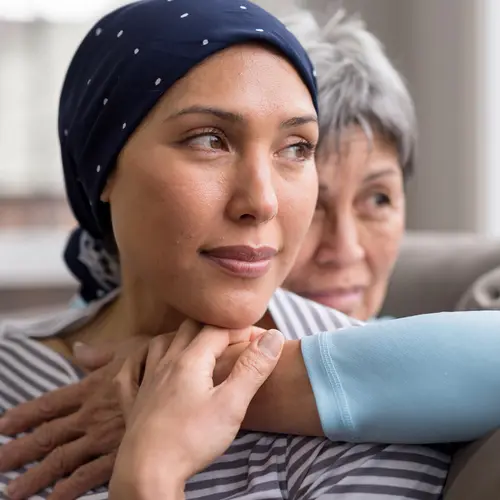
Breast cancer treatments are getting better all the time, and people have many more options today than ever. With so many choices, it’s a good idea to learn as much as you can about the ones that can help you the most.
All breast cancer treatments have two main goals:
- To rid your body of as much of the cancer as possible, ideally - all of it
- To keep the disease from coming back
How Do I Know Which Breast Cancer Treatment to Choose?
Your doctor will think about a few things before they recommend a treatment for you:
- The type of breast cancer you have
- The size of your tumor and how far the cancer has spread in your body, called the stage of your disease
- Whether your tumor has things called receptors for HER2 protein, estrogen, and progesterone, or other specific features
- Whether your breast cancer is associated with certain genetic mutations
Your age, whether you’ve gone through menopause, other health conditions you have, and your personal preferences also play a role in this decision-making process.
What Are the Types of Breast Cancer Treatment?
Some treatments remove or destroy the disease within the breast and nearby tissues. These include:
Surgery. For most people, one of the first steps is to take out the tumor. You may have chemotherapy before surgery to shrink the tumor. An operation called lumpectomy removes only the part of your breast that has cancer. It’s sometimes called breast-conserving surgery or partial mastectomy. In a mastectomy, doctors remove the whole breast. There are different types of mastectomies and lumpectomies.
Radiation therapy. This treatment uses high-energy waves to kill cancer cells. Many women under age 70 who have a lumpectomy get radiation, too. Doctors also might recommend this method if the disease has spread. It helps destroy any cancer cells that the surgeon couldn’t remove. Radiation can come from a machine outside your body, or you might have tiny seeds that give off radiation placed inside your breast where the tumor was.
Other treatments destroy or control cancer cells all over your body:
Chemotherapy uses drugs to kill cancer cells. You take the medicines as pills or through an IV. Many people get it after surgery to kill any cancer cells left behind. Doctors also prescribe it before surgery to make tumors smaller. Chemo works well against cancer, but it also can harm healthy cells.
Hormone therapy uses drugs to prevent hormones, especially estrogen, from fueling the growth of breast cancer cells. Without estrogen, tumors dependent on this hormone for growth will shrink. Medicines include tamoxifen (Nolvadex) for women before and after menopause and aromatase inhibitors including anastrozole (Arimidex), exemestane (Aromasin), and letrozole (Femara) for postmenopausal women. Some types of this therapy work by stopping the ovaries from making hormones, either through surgery or medication. Fulvestrant(Faslodex) is an injection that keeps estrogen from attaching to cancer cells.
Elacestrant (Orserdu) is an oral drug that binds to estrogen receptors used to treat postmenopausal women or men with certain types of advanced breast cancer with an ESR1 mutation.
Targeted therapy such as margetuximab (Margenza), pertuzumab (Perjeta), and trastuzumab (Herceptin) trigger your body’s immune system to help destroy cancer cells. These medicines target breast cancer cells that have high levels of a protein called HER2. Ado-trastuzumab emtansine (Kadcyla) and fam-trastuzumab deruxtecan (Enhertu) combine trastuzumab and chemotherapy to target HER2-positive cancer cells.
The medications lapatinib (Tykerb), neratinib (Nerlynx), and tucatinib (Tukysa) block types of protein in cancer cells called kinases. Abemaciclib (Verzenio), palbociclib (Ibrance), and ribociclib (Kisqali) are kinase inhibitors often used with an aromatase inhibitor or the drug fulvestrant (Faslodex) in people with certain types of advanced cancer.
Abemaciclib (Verzenio) can be used alone in women who have already been treated with hormone therapy and chemotherapy. Alpelisib (Piqray) is a PI3K inhibitor used to treat certain types of breast cancer in people who have a PIK3CA gene mutation.
A new class of drugs called PARP inhibitors targets a protein inside of cancer cells. PARP inhibitors include olaparib (Lynparza) and talazoparib (Talzenna).
Immunotherapy uses your own immune system to target and fight cancer. The drug pembrolizumab (Keytruda) blocks a protein on certain immune cells called T cells that stimulates the immune system to attack tumor cells. It’s used with chemotherapy to treat triple-negative breast cancer. The medication sacituzumab govitecan-hziy (Trodelvy) combines an antibody with chemotherapy. It has been approved to treat triple-negative breast cancer that has spread.
Your treatment may include a combination of surgery, radiation therapy, chemotherapy, targeted therapy, hormone therapy, or immunotherapy.
Tips to Help You Choose
Although there are some typical breast cancer treatment regimens, women do have choices.
- Talk with your doctor about all the risks and benefits of each treatment option and how they will affect your lifestyle.
- Think about joining a support group. Other people with breast cancer know what you’re going through and can give you advice and understanding. They might help you decide on a treatment, too.
- Ask your doctor whether you should join a clinical trial, which is a research study that tests new treatments before they’re available to everyone.
Side Effects of Treatment
Most breast cancer treatments have side effects. Many go away when the therapy stops. Some may show up later. Common side effects include:
- Nausea
- Weight gain or loss
- Fatigue
- Arm swelling
- Hair loss
- Skin or nail changes
- Mouth sores
- Symptoms of menopause, such as hot flashes
- Trouble getting pregnant
- Depression
- Trouble sleeping
- Trouble thinking clearly ("chemo brain")
Cancer Treatment, Premature Menopause, and Infertility
About a quarter of the nearly 288,000 women diagnosed with breast cancer in the U.S. each year have not gone through menopause.
Some chemotherapy and hormone therapy drugs that treat breast cancer can cause permanent or temporary infertility or early menopause. Women who haven’t yet gone through menopause should use birth control while having these treatments because some chemotherapy drugs are linked with birth defects.
Chemotherapy-induced menopause happens in 10% to 50% of women younger than 40 and in 50% to 94% of women over 40. After chemotherapy, you may have months or even years of uneven ovarian function.
Radiation therapy won’t cause infertility unless it is directed at both ovaries. Depending on the type and extent of the breast cancer, your ovaries may be surgically removed or radiated to lower the amount of estrogen that your body makes. This will cause permanent infertility.
Women with breast cancer who want to start or expand a family later on should consider options to keep fertility before beginning treatment. These include:
- Freezing eggs or embryos.
- Freezing ovarian tissue. Egg-producing tissue from your ovaries is removed and frozen.
- Egg donation. You can get eggs from a donor that are fertilized and implanted after cancer treatment.
- Hormonal suppression of the reproductive organs. This approach involves using hormones to put your reproductive organs in a dormant (inactive) state. It seems to protect the cells that develop into eggs (germ cells) from damage by chemotherapy. This approach is still being investigated.
Dealing With Visible Side Effects of Treatment
You may be able to see some of the side effects of breast cancer treatment, and this can take an emotional toll. But there’s a lot you can do to overcome them, and that can help you feel better.
Breast changes
If you've had a mastectomy, you can use an external prosthesis instead of, or before, breast reconstruction surgery. You tuck it into a bra or attach it to your skin with double-sided tape.
If you choose to get one:
- Ask your doctor for a prescription for an external prosthesis. Then, it can usually be covered by insurance.
- Ask your oncologist for a referral to a specialized store that sells external prostheses. You may also find them in some lingerie departments.
- Make an appointment with a breast prosthesis consultant and allow yourself about an hour to get fitted.
- Try a variety of them to see which feels and looks the best on you.
Hair loss
Some chemotherapy kills fast-growing cells like hair follicles, whether those cells are cancer or not. Hair loss is different for everyone, and it depends on the type of chemo you're taking. Radiation and hormonal treatments may also cause this side effect.
Some people use cooling caps to help reduce hair loss due to chemotherapy. Cooling the scalp before, during, and after may reduce the amount of chemo that gets to hair follicles. Since there are some long-term safety concerns about using a cooling cap, it’s best to talk with your doctor before you decide to use one.
If you lose hair from chemo, it's likely to fall out within 1 to 2 weeks of starting treatment. It may thin or fall out almost all at once. It's common to lose hair over your whole body, not just on your head. This means you may lose eyelashes and eyebrows as well as arm, leg, and pubic hair.
Hair can begin to grow back even before your treatment is done. It may be thinner or a different color or texture.
You can prepare for hair loss and make it easier to deal with. For example, many women find it helpful to cut their hair short before it starts falling out. This way you can avoid losing large clumps of it in the shower or waking to large amounts on the pillow.
Here are some other tips that may help:
- Consider buying scarves, turbans, caps, or hats before your hair falls out.
- Ask your oncologist for a "cranial prosthesis" prescription to help ensure insurance coverage for a wig.
- Check with wig retailers and makers, your hair stylist, or the American Cancer Society to learn about wig and hair product options.
- Before you begin chemotherapy, match your hair texture or color to wigs. This is also a good time to have a wig styled. But if you get fitted with a wig early, know that it may fit slightly differently once you lose your hair.
- Prepare loved ones, especially children, for how you'll look with your hair gone. It may help to involve them in choosing scarves and other products.
- If you choose to go bald, remember to use sunscreen on your head when in the sun. Keep your head warm in cold climates, too.
Arm swelling
Doctors call this lymphedema. It's swelling in the arm on the side where you've had breast or lymph node surgery. It can also happen after you get radiation. It’s often a temporary side effect, but it can be permanent. If so, it can affect your quality of life.
You can lessen its impact if you spot the symptoms of it early.
- Don't ignore any swelling in your arm.
- Avoid injuring the skin of an affected arm.
- Wear gloves when you garden or do housework.
- Avoid extreme water-temperature changes.
- Keep your arm protected from the sun.
- Avoid getting shots or IVs on your affected arm.
- Don't carry heavy handbags or wear heavy jewelry on the affected side.
The swelling may affect the type of clothing you can wear. You may need an elastic compression sleeve to control swelling, along with more loose-fitting clothes.
Ask your doctor for a referral to a certified lymphedema therapist. They can show you safe exercises and other techniques to help avoid or reduce swelling.
Weight gain or loss
You might have either during your treatment. Weight loss might be due to nausea, vomiting, or appetite changes. Weight gain is sometimes brought on by chemotherapy or hormone therapy, which can both cause early menopause. But some other medications you may take can also cause you to put on extra pounds, as can changes in your diet and being less active.
Now is not the time to diet. Eat nutritious, balanced meals to help yourself stay at a healthy weight, keep up your energy, and heal.
These recommendations may help:
- Eat plenty of protein, but limit saturated fat, sugar, alcohol, and salt.
- Eat smaller meals more often throughout the day, especially if you're nauseated.
- Exercise to help with weight control and keep up your appetite. Exercise helps with other side effects too, such as fatigue and depression. Ask your doctor what activity level is right for you.
- Find an exercise partner to help you stick with a routine. Even a few minutes a day can make a positive difference in how you feel.
Skin and nail changes
You might notice these after chemotherapy, radiation, or hormone treatment.
Skin changes may include:
- Redness
- Rash
- Dryness
- Inflammation
- Darkening of veins
Redness from radiation and certain types of chemo may get worse if you expose your skin to the sun.
It’s rare, but skin damage can happen if chemo drugs given through a vein (IV) leak onto the skin.
Let your doctor know about any breaks or cuts in your skin, which can become infected. Also:
- Check with your medical team before you use any skin products. This includes lotions, powders, perfumes, creams, deodorants, body oils, or home remedies. Additives in some products can worsen skin reactions.
- Avoid detergents with dyes and perfumes.
- Keep your skin clean and dry. Use a mild soap, and pat your skin dry after bathing.
- Use a rich moisturizer as recommended by your doctor several times a day to help with dry skin.
- Use sunscreen when in the sun.
- Wear loose-fitting, natural fabrics like cotton and silk.
Nail beds may become darkened or discolored. Your nails may crack, split, or become rigid. Sometimes, they may even lift off the nail bed. Tell your doctor if this happens. It increases the risk of infection. Other nail tips:
- Cut them short to minimize splitting.
- Avoid artificial nails, which may increase the risk of an infection. It's OK to use nail polish, but remove it with a non acetone-based remover, which is less drying.
- Use a cuticle remover cream or gel, massaging it into your nails.
- Don't bite or tear at your nails or cuticles.
- Wear gloves when you garden or do housework.
- Avoid professional manicures, or bring your own sanitized instruments.
- Limit the time you have your hands in water to lower the risk of fungal infections.
Skin and nail changes usually go away when your treatment ends.
Sadness and Depression
The experience of breast cancer will have an effect on your emotions. You may feel tired, frustrated, angry, and sad at different times. Depression can sometimes happen during the breast cancer experience. Chemotherapy, hormonal therapy, and some pain medications can help cause these feelings or make them worse.
Signs that you’re depressed include:
- Sadness
- Lack of energy
- Loss of interest in things you usually enjoy
- Trouble sleeping or sleeping more than usual
- Feeling hopeless
- Thoughts of suicide
If you have depressed feelings, talk to your doctor. They can help you figure out if it’s because of depression or extreme fatigue. They may be able to switch out one or more of your medications. They may suggest complementary medicine such as yoga or art therapy. If needed, they can prescribe antidepressants or refer you to a therapist.
Depression can make it hard for you to stay on your cancer treatment. It’s important to manage the feeling so that it doesn’t overwhelm you. There are a number of simple things you can do to help yourself feel better, a little at a time:
- Remember that your feelings can and will change.
- Do things that make you feel calm and relaxed: Take a walk, watch your favorite TV show, or work on a puzzle.
- Get moderate exercise.
- Eat a healthy diet and stay away from refined, sugary foods and alcohol.
- Spend time every day with a friend or loved ones.
- Find someone you can talk to, whether it’s a friend, loved one, or therapist.
- Go easy on yourself: Don’t expect to do everything you did at the same pace as you did before you had cancer. Break chores into smaller steps and let others help you when possible.
- Put off important decisions, such as changing jobs or getting married, until you feel better.
Palliative Treatment
Both breast cancer and the treatment you get for it cause symptoms and side effects. Even if the main goal of your treatment is a cure, palliative care that eases discomfort and emotional distress is an important part of your treatment. You can have palliative care while you continue to have therapy focused on curing the disease.
The type of palliative care you get depends on several things:
- Your specific symptoms
- Your baseline health
- The stage of your cancer
- Your wishes
Talk to your doctor about palliative care at the start of your treatment. They’ll help you find the type that fits your needs as your treatment goes on. Your options may include medications, chemo, or radiation to shrink tumors and ease pain, changes to your diet, mental health care, stress reduction, and more.
Complementary/Integrative Medicine
This refers to practices that aren’t part of standard medicine but can be used along with it as part of your overall cancer treatment plan. It’s different from alternative medicine, which is used in place of standard medical treatment. Some alternative treatments aren’t backed by science. They not only won’t treat your cancer, but they could be dangerous as well.
Complementary medicine doesn’t treat your cancer directly. But it can help you:
- Lessen symptoms of cancer or its treatment, such as nausea or pain
- Ease stress and anxiety
- Feel more in control of your treatment
- Have a better quality of life
These are just a few of the many forms of complementary medicine available:
- Yoga or tai chi
- Meditation, hypnosis, and guided imagery
- Acupuncture
- Creative therapy, such as painting, writing, music, or crafts
- Massage
- Botanicals, including herbs and cannabis
If you want to try complementary medicine as part of your treatment plan, talk to your doctor first. Some things that seem harmless could actually be dangerous when you have cancer or could negatively impact your treatment. Your doctor can suggest therapies that are right for you and have been proven to be safe and able to meet your goals for using them. The National Cancer Institute has a list of current clinical trials for complementary therapies at its website.
The 'Look Good Feel Better' Program
The American Cancer Society has teamed up with the Personal Care Products Council and the National Cosmetology Association to create "Look Good Feel Better." This program teaches beauty techniques that can boost your appearance and how you feel about yourself after your cancer treatment.
For more information, call 800-395-LOOK, or go to the website: lookgoodfeelbetter.org.