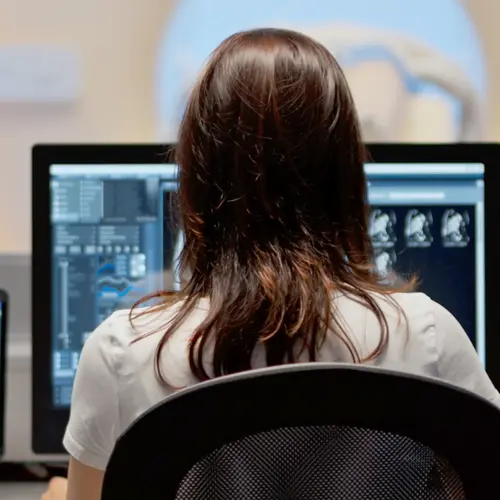
Widespread use of MRI (magnetic resonance imaging) has revolutionized the ability to diagnose multiple sclerosis. Disease-related changes in the brain or spinal cord are detected by MRI in more than 90% of people suspected of having MS.
What Is MRI?
MRI is a test that produces very clear pictures of the human body without the use of X-rays. It uses a large magnet, radio waves and a computer to produce these images.
MRI can often detect damaged areas in the brain or spinal cord that would be missed by other imaging techniques such as a CAT scan.
Why Do I Need to Get an MRI?
- To detect MS. MRI is considered the best test to help diagnose MS. However, 5% of people with MS do not have abnormalities detected on MRI; thus, a "negative" scan does not completely rule out MS. In addition, some common changes of aging may look like MS on a MRI.
- To track the progress of disease. Although they aren't widely needed, people with MS may get repeat scans to determine the status of their disease and how well their medications are working.
Is the MRI Exam Safe?
Yes. The MRI exam poses no risk to the average person if appropriate safety guidelines are followed. Many people who have had heart surgery and people with the following medical devices can be safely examined with MRI (the metals used in these surgeries are not "magnetic" and the person can be safely placed in the MRI machine):
- Artificial joints
- Staples
- Many cardiac valve replacements (check with your doctor)
- Disconnected medication pumps
- Vena cava filters
- Brain shunt tubes for hydrocephalus
Some conditions may require precautions prior to having an MRI exam or preclue you from having one. Tell your doctor if you have any of the following conditions:
- Heart pacemaker (older version)
- Older version os cerebral aneurysm clips (metal clip on a blood vessel in the brain)
- Pregnancy
- Implanted insulin pump (for treatment of diabetes), narcotics pump (for pain medication), or implanted spinal cord stimulators for chronic pain
- Metal in the eye or eye socket
- Cochlear (ear) implant for hearing impairment
- Implanted spine stabilization rods (newer titanium rods and plates are fine)
- Severe lung disease (such as tracheomalacia or bronchopulmonary dysplasia)
- Heartburn
- Obesity (weighing more than 300 pounds may limit which machine can be used)
- Not able to lie on your back for 30 to 60 minutes
- Claustrophobia (which can be handled with sedation)
How Long Does the MRI Exam Take?
Allow two hours for your MRI exam. In most cases, the procedure takes 40 to 80 minutes; during that time, several dozen images may be taken.
What Happens Before the MRI Exam?
Personal items such as your watch, wallet (including any credit cards with magnetic strips that can be erased by the magnet), and jewelry should be left at home if possible or removed prior to the MRI scan. Secured lockers are available to store personal possessions.
If contrasting dye is being used, you may have an IV inserted.
What Happens During the MRI Exam?
You may be asked to wear a hospital gown during the MRI scan.
As the MRI scan begins, you will hear the equipment making a variety of different sounds, including a muffled thumping sound or banging sound that will last for several minutes at a time. Other than that sound, you should experience no unusual sensations during the scanning.
Certain MRI exams require an injection of a contrast material. This helps identify abnormalities in certain parts of the body on the scan images.
Feel free to ask questions and tell the technologist or doctor if you have any concerns.
What Happens After the MRI?
Your doctor will discuss the test results with you. Most imaging centers will give you a copy of your scan on a CD disk that you can take to your doctor at your next appointment. It is a good idea to let your doctor know that you have completed your scan, so that they can contact the imaging center to get your report. Generally, you can resume your usual activities immediately.