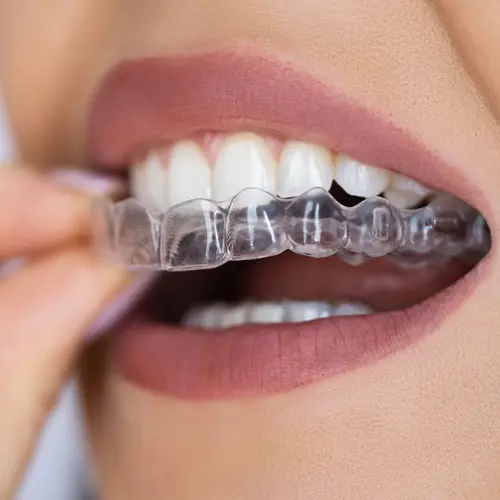
Any dental emergency like an injury to the teeth or gums can be potentially serious and should not be ignored. Ignoring a dental problem can increase the risk of permanent damage as well as the need for more extensive and expensive treatment later on.
Here's a quick summary of what to do for some common dental problems.
- Toothaches. First, thoroughly rinse your mouth with warm water. Use dental floss to remove any lodged food. If your mouth is swollen, apply a cold compress to the outside of your mouth or cheek. Never put aspirin or any other painkiller against the gums near the aching tooth because it may burn the gum tissue. See your dentist as soon as possible.
- Chipped or broken teeth. Save any pieces. Rinse the mouth using warm water; rinse any broken pieces. If there's bleeding, apply a piece of gauze to the area for about 10 minutes or until the bleeding stops. Apply a cold compress to the outside of the mouth, cheek, or lip near the broken/chipped tooth to keep any swelling down and relieve pain. See your dentist as soon as possible.
- Knocked-out tooth. Find the tooth, hold it by the crown (the part that is usually exposed in the mouth), and rinse off the root with water if it's dirty. Do not scrub it or remove any attached tissue fragments. If possible, try to put the tooth back in place. Make sure it's facing the right way. Never force it into the socket. If you can’t put the tooth back into the socket, hold it in the mouth on the way to the dentist, or put it in a small container of milk or a product containing cell growth medium, such as Save-a-Tooth. See your dentist as quickly as possible. Knocked-out teeth have the highest chances of being saved if they’re seen by the dentist and returned to their socket within 1 hour of being knocked out.
- Knocked-out tooth. Retrieve the tooth, hold it by the crown (the part that is usually exposed in the mouth), and rinse off the tooth root with water if it's dirty. Do not scrub it or remove any attached tissue fragments. If possible, try to put the tooth back in place. Make sure it's facing the right way. Never force it into the socket. If it's not possible to reinsert the tooth in the socket, put the tooth in a small container of milk (or cup of water that contains a pinch of table salt, if milk is not available) or a product containing cell growth medium, such as Save-a-Tooth. In all cases, see your dentist as quickly as possible. Knocked out teeth with the highest chances of being saved are those seen by the dentist and returned to their socket within 1 hour of being knocked out.
- Extruded (partially dislodged) tooth. See your dentist right away. Until you reach your dentist's office, to relieve pain, apply a cold compress to the outside of the mouth or cheek in the affected area. Take an over-the-counter pain reliever (such as Tylenol or Advil) if needed.
- Objects caught between teeth. First, try using dental floss to very gently and carefully remove the object. If you can't get the object out, see your dentist. Never use a pin or other sharp object to poke at the stuck object. These instruments can cut your gums or scratch your tooth surface.
- Lost filling. As a temporary measure, stick a piece of sugarless gum into the cavity (sugar-filled gum will cause pain) or use an over-the-counter dental cement. See your dentist as soon as possible.
- Lost crown. If the crown falls off, make an appointment to see your dentist as soon as possible and bring the crown with you. If you can't get to the dentist right away and the tooth is causing pain, use a cotton swab to apply a little clove oil to the sensitive area (clove oil can be purchased at your local drug store or in the spice aisle of your grocery store). If possible, slip the crown back over the tooth. Before doing so, coat the inner surface with an over-the-counter dental cement, toothpaste, or denture adhesive, to help hold the crown in place. Do not use super glue!
- Broken braces and wires. If a wire breaks or sticks out of a bracket or band and is poking your cheek, tongue, or gum, try using the eraser end of a pencil to push the wire into a more comfortable position. If you can't reposition the wire, cover the end with orthodontic wax, a small cotton ball, or piece of gauze until you can get to your orthodontist's office. Never cut the wire, as you could end up swallowing it or breathing it into your lungs.
- Loose brackets and bands. Temporarily reattach loose braces with a small piece of orthodontic wax. Alternatively, place the wax over the braces to provide a cushion. See your orthodontist as soon as possible. If the problem is a loose band, save it and call your orthodontist for an appointment to have it recemented or replaced (and to have missing spacers replaced).
- Abscess. Abscesses are infections that occur around the root of a tooth or in the space between the teeth and gums. Abscesses are a serious condition that can damage tissue and surrounding teeth, with the infection possibly spreading to other parts of the body if left untreated.
Because of the serious oral health and general health problems that can result from an abscess, see your dentist as soon as possible if you discover a pimple-like swelling on your gum that usually is painful. In the meantime, to ease the pain and draw the pus toward the surface, try rinsing your mouth with a mild salt water solution (1/2 teaspoon of table salt in 8 ounces of water) several times a day. - Soft-tissue injuries. Injuries to the soft tissues, which include the tongue, cheeks, gums, and lips, can result in bleeding. To control the bleeding, here's what to do:
- Rinse your mouth with a mild salt-water solution.
- Use a moistened piece of gauze or tea bag to apply pressure to the bleeding site. Hold in place for 15 to 20 minutes.
- To both control bleeding and relieve pain, hold a cold compress to the outside of the mouth or cheek in the affected area for 5 to 10 minutes.
- If the bleeding doesn't stop, see your dentist right away or go to a hospital emergency room. Continue to apply pressure on the bleeding site with the gauze until you can be seen and treated.
Tips to Prevent Sports-Related Tooth and Mouth Injuries
- Mouth guards. When playing sports, the best way to protect your teeth and mouth is by wearing a mouth guard.
- Face cages. These protect against trauma to the face, especially when playing certain sports positions, like baseball catcher or hockey goalie.
- Helmets. It's always wise to wear a helmet made for the activity that you are doing. Although most helmets won't protect the teeth and mouth, they will protect another important area, your head, to help protect against a concussion.