Too much stress can cause problems with your mouth, teeth, and gums. You can take some steps to keep yourself healthy, though.
While you work on lowering your stress levels, try these tips to improve trouble spots like mouth sores and teeth grinding.
Sores in Your Mouth
Canker sores. These are small spots with a white or grayish base that have red borders. They show up inside your mouth, sometimes in pairs or in greater numbers.
Experts aren't sure what causes them. It could be a problem with your immune system, your body's defense against germs. Or they might be due to bacteria or viruses. Stress likely raises your chances of getting them.
What to do. To ease irritation, don't eat spicy, hot foods or anything with a high acid content, such as tomatoes or citrus fruits. Most canker sores disappear in a week to 10 days.
For relief, try over-the-counter "numbing" medicine that you put directly on the sore. If you get canker sores often, your dentist may prescribe a steroid ointment.
Cold sores. These are also called fever blisters and are caused by the herpes simplex virus. They're filled with fluid and often show up on or around your lips. They also can appear under your nose or around your chin.
When you're feeling upset, it can trigger an outbreak.
What to do. Like canker sores, they often heal on their own in a week or so. But since you can spread the virus that causes them to other people, start treatment as soon as you notice one forming.
Medications you can try include over-the-counter remedies and prescription antiviral drugs. Ask your doctor or dentist if either type of treatment could help you.
Teeth Grinding
What it is. Stress may make you clench and grind your teeth. This can happen during the day or at night, and often without you realizing it.
If you already clench and grind your teeth, stress could make the habit worse. It can lead to problems with a joint known as TMJ that's located in front of your ear where the skull and lower jaw meet.
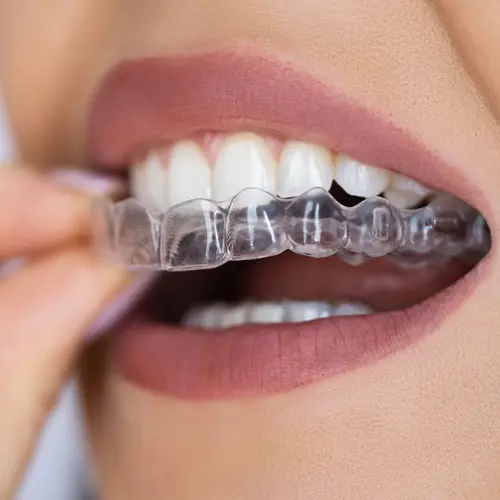
What to do. Your dentist may recommend a night guard, worn as you sleep, or another appliance to help you stop or curb your grinding. During the day, try to keep your teeth slightly apart when you're not eating.
Poor Cleaning Habits
What happens. Being under extreme stress may affect your mood and cause you to skip brushing, flossing, and rinsing.
If you don't take good care of your mouth and teeth, you raise your chances of getting cavities or gum disease.
When you're stressed, you may also pick up some unhealthy eating habits, such as snacking on sugary foods or drinks, which raises your odds of tooth decay. In the long run it can boost your chances of gum disease.
What to do: Remind yourself that cleaning your teeth and eating healthy can stop you from needing to go to the dentist to fill cavities. It may help motivate you to make changes. Brush at least twice a day, and floss every day. Use an antibacterial mouth rinse twice a day.
Get into a regular exercise routine. It can relieve stress, rev up your energy levels, and encourage you to eat healthier.