1 of 5 / Overview
View All
What Is Osteoarthritis?
What exactly is osteoarthritis? Who is at risk for it? Learn all about osteoarthritis here.
Do You Know the Causes of Osteoarthritis?
Aging and obesity are common causes in osteoarthritis development, but they're not the only ones.
Will Joint Cracking Cause Osteoarthritis?
Can cracking knuckles lead to joint problems? Get the facts and the fiction on knuckle cracking.
Will a Sports Injury Raise My Risk?
Whatever your sports passion, along with health benefits comes a risk of injury that can lead to osteoarthritis later in life.
2 of 5 / Symptoms & Types
View All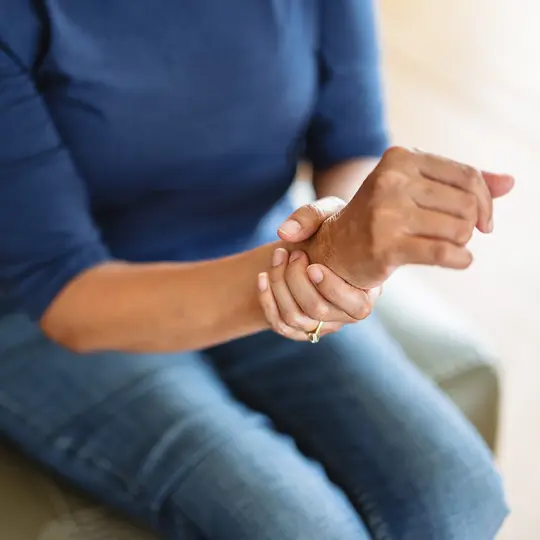
What Are the Symptoms of Osteoarthritis?
Swollen, creaky joints are a hallmark of osteoarthritis -- but they can also be mistaken for something else.
Hip Osteoarthritis (Degenerative Arthritis of the Hip)
Patients who have osteoarthritis of the hip sometimes have problems walking. Diagnosis can be difficult at first.
Foot and Ankle Osteoarthritis
Each foot has 28 bones and more than 30 joints. The following are the most common foot joints affected by osteoarthritis.
Knee Injuries and Osteoarthritis
Knee joint pain and swelling causes range from noninflammatory arthritis such as osteoarthritis to inflammatory arthritis types.
3 of 5 / Tests & Diagnosis
View All
4 of 5 / Treatment
View All
What Are the Treatments for Osteoarthritis?
Treatment for osteoarthritis comes in many forms -- from exercise to surgery. Learn more about your options here.
Corticosteroid Injections for Osteoarthritis
Getting a shot of corticosteroids directly into a sore joint can reduce pain and inflammation quickly and effectively.
Knee Injections for Osteoarthritis
Knee injections may be able to help reduce your osteoarthritis knee pain. Find out more.
Joint Fusion Surgery
Who can this surgery help, what are its benefits, and what are the risks?
5 of 5 / Living With
View All
Suggested Reads about Osteoarthritis
How Exercise Can Help Ease Osteoarthritis Joint Pain
It may sound counterintuitive at first – suggesting that people with joint pain exercise and move more in general. But exercise can help ease osteoarthritis pain and improve mobility. Here's what to know.
Running Long Distances Might Not Hurt Your Joints After All
It has generally been thought that running could increase the risk of osteoarthritis because it puts more load on joints than walking or standing.
Younger Patients Are Getting More Joints Replaced
For a variety of reasons, the average age of joint replacement is dropping.
Joint Pain, Aging, and Arthritis - Understand Your Pain
Creaking knees, hips, and ankles aren't necessarily normal aches and pains that come with age. Your pain might be arthritis. Luckily, medicine has a lot to offer --- from exercise and alternative supplements to medications and joint replacement.
Top Search Terms for Osteoarthritis
8 million+ Physician Ratings & Reviews
Find Doctors and Dentists Near You
You can also search by physician, practice, or hospital name