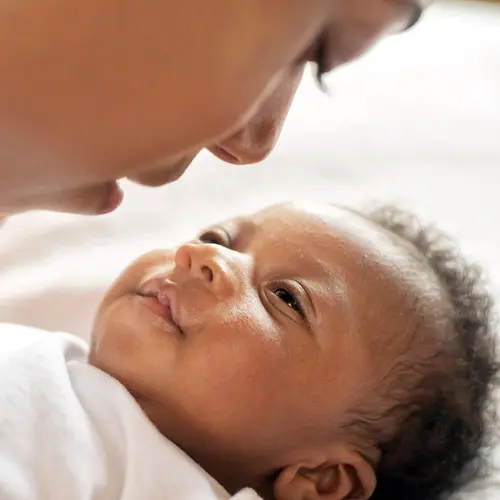

A fever in babies is one of the most common symptoms new parents face. Fortunately, it's not necessarily a sign of anything serious.
Baby fever temperature
A baby's normal temperature can range from about 97 to 100.3 F. Most doctors consider a rectal temperature of 100.4 F or higher to be a fever. Take a few readings when your infant is well to get a sense of what their normal temperature is.
Causes of Fever in Infants
A fever isn't an illness. It's a symptom of one. A fever usually means that the body is fighting an illness and the immune system is working. If your baby has a fever, in most cases it means they've gotten a cold or other viral infection. Pneumonia, urinary tract infections, ear infections, or a more serious infection such as a blood bacterial infection or meningitis may also cause a fever, though these conditions are less common.
Other causes of fever in babies include:
- Reaction to a vaccination
- Getting overheated from being dressed too warmly or spending too much time outside on a hot day
Signs of Fever in Babies
Your baby may be crankier and fussier than usual when they have a fever.
Other symptoms of a fever in babies include:
- Poor sleeping
- Poor eating
- Frequent crying
- Less activity and less interest in play
- They feel warm to the touch
- Trouble breathing
- Stiff neck
- Blotchy skin
- Convulsions or seizures
Signs of fever in newborns
The signs for newborns are the same as for older babies.
How Do I Take My Baby's Temperature?
You can take a child's temperature a few different ways, such as via the rectum (rectally), mouth (orally), ear, under the arm (axillary), or at the temples. The American Academy of Pediatrics (AAP) recommends only using digital thermometers in children. Don't use a old mercury thermometer because these pose a risk of poisoning if they break.
Rectal thermometers provide the most accurate temperature readings and can be easiest to take in an infant.
How to take a rectal temperature
- Buy a digital rectal thermometer, available at any drugstore.
- Before and after use, wash the thermometer with soap and water or swab with disinfecting alcohol.
- Place a thick slab of petroleum jelly on the end with the metal bulb.
- Put your baby on their stomachor hold their legs up near their ears while they're on their back.
- Stabilize them so they don't wiggle too much, with a hand on their back (if they are on their stomach) or holding their feet firmly (if they're on their back).
- Insert the thermometer slowly into their anus about 1/2 inch -- just so that the metal bulb is inside.
- Gently hold the thermometer steady between your index and forefinger.
- Wait until it beeps and then pull the thermometer out.
When to Call Your Doctor
According to the AAP, call your doctor if your baby:
- Is under age 3 months and has a fever. If you can't reach the doctor, call 911 or go to the emergency room.
- Is lethargic or not responsive
- Has problems breathing or eating
- Is very cranky, fussy, or difficult to calm down
- Has a rash
- Shows signs of dehydration, such as fewer wet diapers, a dry mouth, no tears when they cry, or a sunken soft spot on the head
- Has a seizure
- Is vomiting
- Has diarrhea
It can be hard for doctors to tell whether a newborn has a simple virus (like a cold) or a more serious infection (like a UTI, pneumonia, or meningitis). That's why doctors sometimes order tests (such as blood or urine tests, a chest X-ray, or a spinal tap) to pinpoint the cause of an infant's fever.
What Should I Do If My Baby Has a Fever?
If your baby is under age 3 months and has a fever, contact their doctor right away. For older babies, try these tips:
- Bathe them with lukewarm water. Always check the temperature of the water on your wrist before washing your baby.
- Dress your infant in a light layer of clothes.
- Give your baby enough fluids to avoid dehydration. Those fluids should be breast milk, formula, an electrolyte solution, or water, depending on their age. Ask your baby's doctor for guidelines.
- If your child is older than 6 months and your doctor says it is OK, you can give them children's acetaminophen or children's ibuprofen. Never give babies aspirin because of the risk for a rare but dangerous condition called Reye's syndrome. Also, don't give a baby under 6 months any medicines that contain ibuprofen. Ask your doctor about the dosage and read the package instructions before giving your child a fever-reducing medicine.
If you're concerned about your baby's fever, call your doctor for advice.