
You are in the WebMD Content Archive for WebMD Video.
WebMD archives all video content after 48 months to ensure our readers can easily find the most timely content.
To locate the most current information on this topic, please use our search box
Reviewed By: Brunilda Nazario,
SOURCES: Steven P. Shelov, MD, MS, FAAP, Editor and Chief, and Tanya Remer Altmann, MD, FAAP, Associate Medical Editor, The Complete and Authoritative Guide for Caring for Your Baby and Young Child, Birth to Age 5. Laura A. Jana, MD, FAAP, and Jennifer Shu, MD, FAAP, Heading Home With Your Newborn, From Birth to Reality. Healthychildren.org, “Phases of Sleep.”
© 2010 WebMD, LLC. All rights reserved.
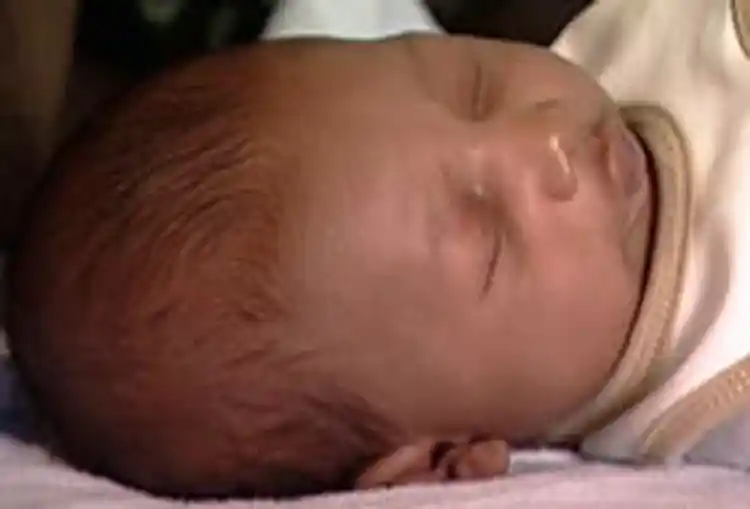
There are lots of rules that go by the wayside when you head home with your newborn. But there is one that all new parents need to follow: that putting babies on their backs to sleep. We'll explain why step by step. Since 1992, when the American Academy of Pediatrics first recommended that babies sleep on their backs, the annual rate of Sudden Infant Death Syndrome or SIDS cases in this country has dropped by nearly half. There are a few common concerns about back sleeping we can help you put to rest: Spitting up – reassuring research shows healthy babies are able to easily turn their heads to clear their airways. Usually spit – up rolls down the side of the face or is re-swallowed. Infants with acid reflux may have more difficulty with this so parents should seek advice from their physicians.
Oh you're a happy girl. Big stretch …
Back sleeping sometimes cause flat heads or bald spots – but these are temporary conditions and offering plenty of tummy time during the day reduces the risk. Delayed milestones – don't worry if your baby develops upper body strength later and it takes a little longer for your little one to roll over. Again, more time on the belly during wakeful hours should help. Make sure the baby's crib meets modern safety standards – slats should be no more than 2 3/8 inches apart. A firm crib mattress covered by a well fitted sheet is the safest bedding. And one-piece sleepers or the practice of swaddling offer good alternatives to blankets. If you choose to use a blanket – follow AAP guidelines by tucking it into the end and sides of the crib near the baby's feet. And never let the blanket reach past the infant's chest. Avoid buying pillows, bed toys or side props – all of which can create safety hazards. Bumpers are fine for a few months – but they should be thin, firm, well secured and not pillow-like. Mobiles are nice – some play soothing music – but optional. Position them well out of arms' and legs' way – and understand they should come down once the baby is sitting up. You can monitor the situation with devices that let you hear – and even see – your infant from wherever you need to be in the house. But keep in mind the downside. Some monitors have: Limited range from room to room; Signals that can be picked up by neighbors; Reception that interferes with phones and other electronic equipment And the ability to wake you up at night with even the baby's slightest whimper or move.
Aren't you hungry yet?
Convenience is key but safety comes first: never rely on the monitor as a substitute for checking in on the little one yourself. Finally, put your own sleep high on the priority list. As difficult as it may be in the beginning, learning to care for yourself is a crucial part of being able to take care of your baby. For WebMD, I'm Dr. Kimberly Manning.

Back Pain Test
Exercise for Better Sex
Vinegar for Diabetes
Drink Your Way To Weight Loss
Pre-Diabetes
Gallbladder Basics
Weight Loss Secret Weapon
IBS Trigger Foods
Does Porn Hurt a Relationship?
Male Orgasms: How They Change
Cholesterol-Busting Exercise
What's Your Sleep Personality?
Herpes Vaccine Study
Truth about Passing Gas
Are You Using a Condom Correctly?
Snoring Cure
Generalized Anxiety Disorder
Diarrhea Causes and Treatments
Acupuncture for Back Pain
Common Constipation Treatments
Dirty Truth About Hand Washing
4-D Ultrasound
ED Exercise
Sex Advice for Single Women
Cholesterol Guidelines
Diagnosing Yeast Infections
Truth About Coffee
Healing Heel Pain
Snacks for Diabetics
Best Butt Exercises
To perform a video search, please enter a term in the search box located to the right of the video player above.
©2005-2012 WebMD, LLC. All rights reserved.
WebMD does not provide medical advice, diagnosis or treatment. See additional information.
