Prostate Cancer Health Center
Overview & Facts
Prostate cancer is one of the most common cancers in American men. Genetics and age play a role in its development. But what other risks are involved?
What Is Prostate Cancer?
Prostate cancer is the most common cancer in American men, and in most men it grows very slowly. Get an overview of the disease.
Causes
Diet and genetics may be factors in prostate cancer development, but they are not the only ones. Find out what the research shows.
Are You at Risk?
Age, race, diet, family history -- even a sedentary lifestyle -- may all play a part in contributing to your prostate cancer risks. Learn how.
Getting screened for prostate cancer: Should you or shouldn't you? Most screening tests have risks. Get informed; learn the risks so that you can make the right choice.
Prevention
Is there a connection between BBQ and prostate cancer? How about high-fat diets? Find out what the evidence suggests and learn a few easy ways you can make your diet a healthier one.
It may not be possible to prevent prostate cancer, but you may be able to lower your risk. Find out how taking vitamin E, changing your diet, and other methods may play a part.
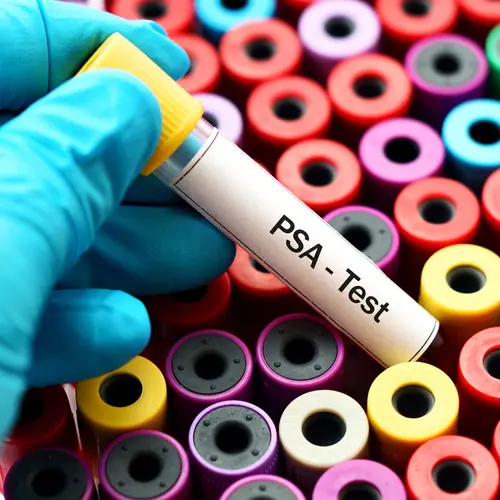
Despite controversy, most doctors agree the prostate-specific antigen (PSA) blood test remains an important and necessary diagnostic tool. Find out why.
Can we really treat -- or prevent -- prostate cancer with an anticancer diet? Here's one medical professional's opinion.
After being diagnosed with prostate cancer, 63-year-old Wade Breed learned there may be big benefits to a largely vegetarian diet. Can such a diet help you? Find out more.
Indication
Uroxatral® (alfuzosin HCl 10 mg extended-release tablets) is an alpha1-blocker for the treatment of the signs and symptoms of BPH.
Important Safety Information
Do not take UROXATRAL if you have liver problems or if you are taking antifungal drugs like ketoconazole or itraconazole, or HIV drugs like ritonavir.
UROXATRAL can cause a sudden drop in blood pressure, especially when starting treatment. This may lead to fainting, dizziness, and lightheadedness. Do not drive, operate machinery, or do any dangerous activity until you know how UROXATRAL will affect you. This is especially important if you already have a problem with low blood pressure or take medicines to treat high blood pressure. There may be an increased risk of low blood pressure and fainting when taking UROXATRAL in combination with blood pressure medication or nitrates, or erectile dysfunction medication.
If considering cataract surgery (clouding of the eyes), tell your eye surgeon that you are currently taking UROXATRAL or have previously been treated with an alpha-blocker.
Before taking UROXATRAL, tell your doctor if you have kidney problems.
Also, tell your doctor if you or any family member(s) have or take medications for a rare heart condition known as congenital prolongation of the QT interval.
BPH and prostate cancer can cause the same symptoms. However, UROXATRAL is not a treatment for prostate cancer.
The most common side effects with UROXATRAL are dizziness, upper respiratory tract infection, headache, and tiredness.
Please see UROXATRAL full prescribing information.