Finding out that cancer has spread is never welcome news, but don't assume it's the worst news. The 5-year survival rate for prostate cancer that has moved into nearby parts of the body is nearly 100%. Here's what you should know about your treatment and what to expect going forward.
Containing Cancer
When this type of cancer spreads (your doctor may say it has metastasized), it tends to first show up in the tissues or lymph nodes that are closest to the prostate gland. If it's caught and treated at this point, which is known as "regional" stage, your odds of recovery are very good. If it travels further, the cancer usually ends up in your bones. At that point, the chances of survival drop to 29%.
Your doctor will talk to you about your best treatment options.
You may have already had surgery or radiation. Those treatments are sometimes used to target prostate cancer when it's still only in the prostate. When your cancer spreads, your doctor will most likely suggest hormone therapy. That usually means taking medication to lower the amount of androgen hormones (testosterone and DHT) in your body or prevent them from affecting cancer cells.
A related but rarely used option is surgical castration. The doctor removes your testicles, where most of these hormones are made. If you don’t like the idea of losing them, the doctor can fit you with silicone sacs to insert into your scrotum. They’ll preserve the look and feel.
If hormone therapy doesn't work, you might move on to vaccine therapy. The prostate cancer vaccine is designed to kick-start your immune system so it attacks cancer cells. Or your doctor might suggest chemotherapy. It might be a medication you take by mouth, or something your doctor injects into a vein.
If prostate cancer has spread to your bones, you'll likely need medication to ease your pain, lower the risk of fractures, and keep your body’s calcium levels steady. It can be dangerous if they go too high or too low. Your doctor might prescribe a drug to help keep your bones strong. You might take corticosteroids to control pain, probably along with a pain reliever. Which pain medicine you get could range from ibuprofen to morphine, depending on how bad your pain is.
Your oncologist might also send you for radiation therapy in an effort to lessen bone pain and kill off cancer cells in your bones. Or they could inject you with a drug that gives off radiation. These medications are called radiopharmaceuticals.
Signs of Trouble
You might think you’d know it if your cancer has spread, but that's not always true. Most men with advanced prostate cancer don't have any symptoms.
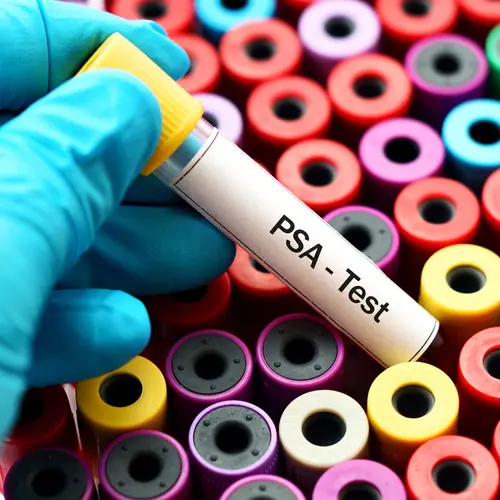
This is why your follow-up doctor visits are important. You’re most likely to find out the cancer has spread if your doctor tests your blood and finds high levels of prostate-specific antigen, or PSA. They might also find it with a digital rectal exam or on an X-ray or other test. If you do have symptoms, they often include trouble peeing or blood in your urine. You might also feel very tired, short of breath, or lose weight without trying.
You’re more likely to feel pain if the cancer has gone into your bones. Where it hurts will depend on which bones it affects. For instance, you might feel hip or back pain if cancer has spread into your pelvic bones.
Living With Cancer
No matter which treatments you decide to pursue, advanced prostate cancer is bound to take a toll on your day-to-day life. Loss of bladder control (incontinence), fatigue, and erectile dysfunction often go hand-in-hand with treatment. Men who have hormonal therapy may have hot flashes (similar to what many women have during menopause) or gain weight. Cancer that has spread to your bones can also be painful.
Be sure to tell your doctor about any pain or side effects. There are a wide array of medications and procedures that can help you feel better.
Self-care is also important: Take naps to fight fatigue and try to do some light exercise, like walking, to keep your energy levels up. Being active can also help combat weight gain, especially if you add some strength training to your routine. Check with your doctor first to make sure it's safe for you to exercise. They may suggest you work with a physical therapist.