Men's Hair Loss: Treatments and Solutions

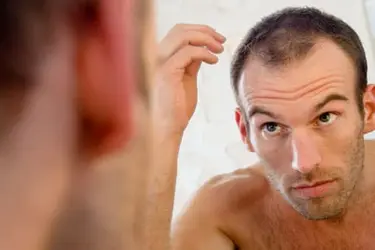
Hair Loss: A Common Problem
About 85% of men will have major hair thinning by the time they're 50. Some guys start to lose theirs before they turn 21.

Hair Loss Myths Busted
Can wearing a baseball cap make you go bald? Nope. Running fingers through your hair won’t cause it, either. Neither will combing, brushing, twisting, or styling. Just be gentle so you don’t break the strands.

Quit Smoking and Save Your Hair?
There’s a clear link between lighting up and how fast male-pattern baldness gets worse. So if you’re looking for one more good reason to quit, add early hair loss to the list.

What It Says About Your Health
Hair loss, or alopecia as doctors call it, doesn’t usually signal a medical problem. And it doesn't harm your health. But worrying about how it affects your looks is common.

What Causes It?
Almost all hair loss in guys results from male-pattern baldness, a genetic trait that comes from your parents. Other causes include certain medications, too much vitamin A, or not enough protein. Illness or stress can lead to sudden, heavy shedding called telogen effluvium. Good news, though: Hair loss that isn’t from male-pattern baldness often reverses itself.

Keep the Hair You Have
It’s easier to hang on to your hair than replace it once it's gone. But be careful as you explore your options. Most "miracle"products and treatments are shams. When in doubt, your doctor or a dermatologist may be able to help.

Hair Loss Medication: Minoxidil
There's no cure for male-pattern baldness, but some medications can slow it down. Minoxidil is an FDA-approved, over-the-counter treatment you apply to your scalp. It slows the rate of loss and helps some guys grow new hair. But once you stop using it, hair loss returns.

Male-Pattern Baldness: What to Expect
Male pattern baldness is the most common form of hair loss and is related to both genes and male hormones. It can start in your twenties but by the age of 50, most men have some form of it. Also called male androgenetic alopecia, it can start as either a receding hairline, thinning of the hair or a bald spot that develops on the crown of the skull.

Blame Hormones
With male-pattern baldness, a hormone called DHT causes hair follicles to shrink. Eventually, they get so small that no hair can grow in them.

Hair Loss Medication: Finasteride
This prescription pill slows down your body's DHT assembly line. Some men have been able to grow new hair while using it. Many experts think it works better than minoxidil. Pregnant women shouldn’t touch the drug -- it can cause birth defects in baby boys. Like minoxidil, it works only while you’re using it.

Should You Wear a Hairpiece?
They’ve come a long way. It takes time and research to find the right one, though, because there’s a wide range in cost and quality. And hairpieces also need regular maintenance, which can run between $60 and $300 per month. When you're shopping for one, try to match your own hair color, thickness, and curl.

How Does a Transplant Work?
A doctor will move healthy hair from the back and side of your head to the top. The process can be costly, and you may need to do it a few times before it works. After 2 months, you’ll shed most of what the doctor moved, but new strands will grow back. It’ll start to look normal within 6 months.

Make the Most of What You Have
Styling tricks can make hair loss stand out less. Cut thinning hair short so you can avoid a comb-over. Certain shampoos, conditioners, and styling products may add volume to what you do have. Also, eat a balanced diet, and handle your hair gently.

Stay Positive
Hair doesn’t make the man. Remind yourself of everything else you have to offer. Or take care of things you can control, like staying in shape. It’s OK to look to others for support. And if you need a little inspiration, think of bald men or guys with shaved heads who ooze confidence, like The Rock, Vin Diesel, and Pitbull. Consider yourself in good company.