1 of 10 / Overview
View All
What Is Psoriasis?
Psoriasis is a skin disorder that causes skin cells to multiply up to 10 times faster than normal.
7 Types of Psoriasis
Knowing which kind of psoriasis you have helps you and your doctor make a treatment plan. Most people have only one type at a time.
Is Psoriasis an Autoimmune Disease?
Experts believe psoriasis is an autoimmune disease. It means your body thinks its own tissues are foreign invaders to be attacked.
How Does Psoriasis Progress?
Psoriasis symptoms impact everyone differently. Mild psoriasis could stay the same, while someone else’s becomes more severe.
2 of 10 / Flares & Triggers
View All
Tracking Your Psoriasis Outbreaks
Tracking psoriasis flares can help you feel more in control of your condition.
Prevent Psoriasis Flare-Ups
With psoriasis, it's important to follow your doctor’s advice. Still, you can help control and prevent flare-ups on your own.
Psoriasis: How to Stop the Spread
When you look at your psoriasis patches, you want to know: How can I make them disappear? And how can I stop them from spreading?
Top Psoriasis Triggers
While the cause of psoriasis stems from your body's immune system, certain triggers can make symptoms worse or cause flare-ups.
3 of 10 / Causes & Risks
View All
Who Gets Psoriasis?
Who gets psoriasis more often: women or men? And do your chances of developing it go up based on your race, ethnicity, or age?
Is Psoriasis Contagious?
Psoriasis can look like a rash, so you may worry that you could get it from someone else or pass it to others.
Your Genes and Psoriasis
You’re more likely to get psoriasis if your blood relatives also have it. That’s because certain genes play a role.
Cytokines in Psoriasis
Your immune system uses tiny proteins called cytokines to communicate between cells. Some cytokines play a role in psoriasis.
4 of 10 / Types
View All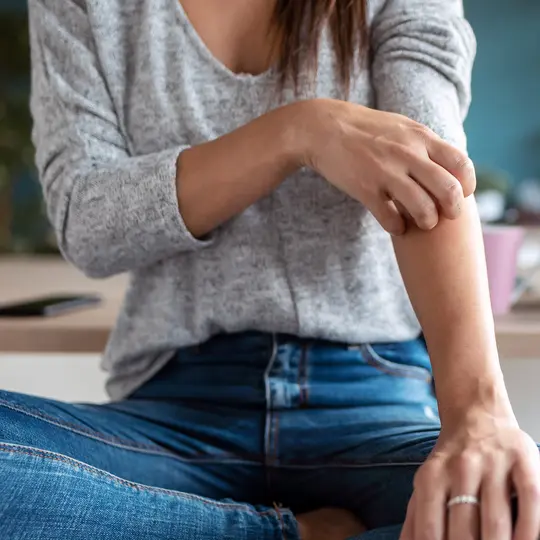
What Is Plaque Psoriasis?
Psoriasis is a skin disease that affects about 8 million Americans. It comes in several forms. Plaque psoriasis is the most common.
What Is Inverse Psoriasis?
Inverse psoriasis is a skin condition that affects the folds of your skin.
Deodorant for Underarm Psoriasis
If you have psoriasis under your arms, aka inverse psoriasis, you might wonder if it’s OK to use deodorant or antiperspirant.
What Is Guttate Psoriasis?
Guttate psoriasis is a type of psoriasis that shows up on your skin as red, scaly, small, teardrop-shaped spots.
5 of 10 / Locations on the Body
View All
Scalp Psoriasis
Scalp psoriasis is a common skin disorder. It can be a single patch or several, and can even affect your entire scalp.
Scalp Psoriasis vs. Dandruff
If your scalp itches and flakes, your doctor can tell if it’s just dandruff or a more serious problem like psoriasis.
Psoriasis Shampoo: How to Choose
If you have psoriasis on your scalp, you should find shampoos that are made specifically for your scalp.
Hair Care When You Have Psoriasis
A visit to the salon can give your self-esteem a little boost. Don’t let scalp psoriasis keep you from these simple pleasures.
6 of 10 / Tests & Diagnosis
View AllWhen to See a Doctor for Skin Problems
Lots of things can set off your skin. Some people have conditions like psoriasis -- when skin cells pile up in thick patches.
Tests to Diagnose Psoriasis
In most cases, your primary care doctor or dermatologist will be able to diagnose psoriasis by examining your skin.
Do You Need a Skin Biopsy to Diagnose Psoriasis?
Your doctor can usually tell if you have psoriasis without a biopsy. There are rare cases where you might need to get one.
Building Your Psoriasis Care Team
To manage your psoriasis, you’ll need ongoing care. You may need to see a dermatologist and other specialists.
7 of 10 / Treatment
View AllPsoriasis Treatments: How To Get Rid of Psoriasis
There’s no cure for psoriasis. But treatment can help you feel better. You may need topical, oral, or systemic treatments.
Treatment for Psoriatic Disease
There are two main types of psoriatic disease: psoriasis and psoriatic arthritis. Living with either disease can be painful.
Choosing a Treatment for Psoriasis
There isn't a cure for psoriasis, and there isn't a perfect treatment either.
Solutions for Mild Psoriasis
Mild to moderate psoriasis means that the red, scaly patches ("plaques") cover less than 10% of your body.
8 of 10 / Living With
View AllTips to Care for Your Psoriasis
There are some things most everyone can do to help keep psoriasis symptoms at bay and maintain your mental health.
7 Tips for Psoriasis Skin Care
To boost your psoriasis treatment, some simple tweaks to your daily routine also can promote healing and calm flare-ups.
Skin Care Ingredients to Avoid
You can use certain skin care products when you’re living with psoriasis, but caution is the name of the game.
Beauty Hacks for Psoriasis
There are steps you can take to mask psoriasis problem areas. That can make you feel better about how you look.
9 of 10 / Complications
View AllHow Psoriasis Can Affect Your Joints
How does a skin condition like psoriasis affect your joints? It might not make sense at first, but here's the connection.
Link Between Psoriasis and Psoriatic Arthritis
Psoriasis and psoriatic arthritis are different diseases, but they are related. Some people may have both at the same time.
Palmoplantar Pustulosis
Palmoplantar pustulosis (PPP) causes blister-like sores on the palms of your hands and the soles of your feet.
Digestive Problems When You Have Psoriasis
It may seem odd, but it's true. Psoriasis is related to some digestive disorders that are also autoimmune diseases.
10 of 10 / Appointment Prep
View AllSuggested Reads about Psoriasis
Ted Danson on Managing His Psoriasis With Humor
Actor Ted Danson was diagnosed with plaque psoriasis when he was 25 years old. Danson, now 76, says he turned to self-deprecating humor in an effort to point out his own flaws with funny quips before anyone else could.
Psoriasis: Protecting Your Mental Health
Psoriasis is a chronic inflammatory disease that can affect your skin and your joints – and your mental health. These tips can help
Undertreatment of People of Color for Plaque Psoriasis
People of color are often undertreated and underdiagnosed for psoriasis, which can lead to worse outcomes for them. WebMD explains.
Living Day to Day With Psoriasis
Lifestyle changes can help improve your psoriasis and your overall health. Follow these expert tips.
8 million+ Physician Ratings & Reviews
Find Doctors and Dentists Near You
You can also search by physician, practice, or hospital name