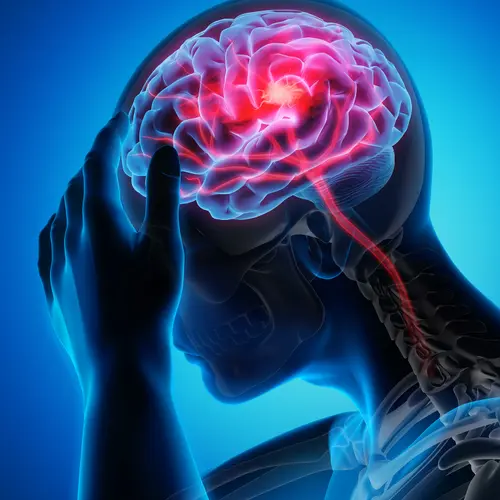
After you have a stroke, your brain may need to relearn some old skills. Which ones will depend on your condition. Still, your gray matter has an amazing ability to repair and rewire itself.
A stroke rehabilitation program can help your brain get the job done. It may not totally reverse the effects of your stroke, but it can help you regain your independence and recover some of what was lost.
Your rehab starts as early as 24 hours after your stroke. As soon as your condition is stable, you'll start to do simple exercises to help you rediscover how to sit up in bed, walk to the bathroom, bathe, dress, and feed yourself.
The process is different for everyone because a stroke can affect different parts of the brain. No matter how your abilities have changed, the key to improvement is simple: Keep practicing.
Your Team
You might do your rehab at the hospital, a center where you stay overnight, a clinic, or at home. Wherever your program takes place, a group of experts will help you.
Physical therapists will work with you on exercises to improve your movement, balance, and coordination.
Occupational therapists will help you practice daily tasks like eating, bathing, and writing.
Speech-language pathologists will help you with speaking and swallowing problems.
Psychologists or social workers will help you with emotional problems like depression and anxiety.
Physical Work
Members of your team, including your physical therapist, will guide you through exercises that can strengthen your muscles, improve your coordination, and help you walk -- on your own, or with a wheelchair or walker.
Some of the therapies your team might use are:
Constraint-induced movement therapy (CIMT): If your stroke affected one of your arms, for example, your team might place your "good" hand in a mitt to encourage you to practice skills with your weaker limb.
Treadmill work: This can help you if your stroke gave you problems in your legs. You may need to use a technique that gives you support while you walk on the machine.
Virtual reality training: You might play computer games that help you practice arm or leg movements. Your physical therapist may even use robots to help you improve your walking skills.
Other Therapies
You may find it hard to communicate after a stroke. Speech-language therapists will help you remaster old skills and develop new ones. They may try things like role-playing games or word drills. You may be taught how to use things like sign language or symbol boards.
If you have trouble swallowing, your speech pathologist may show you things like how to change your posture or tuck in your chin.
It's also natural to have some depression or anxiety after a stroke, so mental health professionals can come up with a plan that may include counseling or medication.