What Is Adult ADHD?
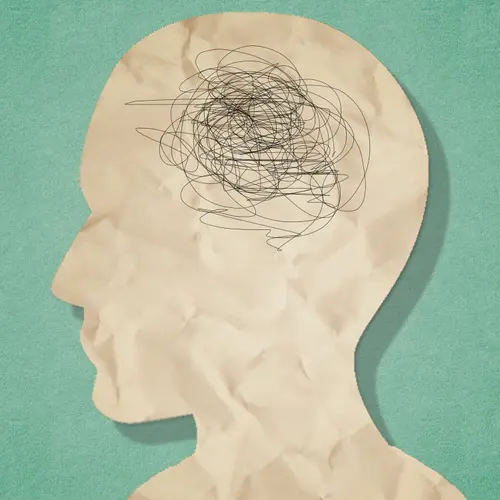
Adult ADHD is a brain disorder in which you have trouble paying attention. You might also tend to act on impulse, or seem to have too much energy. About 4% to 5% of U.S. adults have ADHD, which stands for attention deficit hyperactivity disorder.
Every adult who hasADHD had it as a child. Some were diagnosed in childhood, but others only found out later in life. While many kids with ADHD outgrow it, about 60% still have it as adults.
There’s no cure for ADHD. If your doctor says you have it, you’ll work together to make a treatment plan just for you.
Adult ADHD Symptoms
When you have adult ADHD your symptoms can range from mild to serious and can change over time. They may affect you a lot, or they may not bother you much. They can be problems all of the time or just depend on the situation.
You may have issues with:
- Concentration
- Following directions
- Remembering information
- Organizing tasks
- Procrastination
- Boredom
- Anxiety
- Depression
- Controlling anger
- Impulsiveness
- Low self-esteem
- Mood swings
- Relationship problems
- Substance abuse or addiction
- Motivation
- Restlessness
- Talking too much
No two people with ADHD are exactly alike. You may be able to concentrate if you’re interested in or excited about what you’re doing. But some people with ADHD have trouble focusing under any circumstances.
Some people look for stimulation, but others avoid it. Plus, some people with ADHD can be withdrawn and antisocial. Others can be very social and go from one relationship to the next.
Complications of Adult ADHD
If you have adult ADHD, you could have a long-term pattern of issues in many parts of your life. That might include:
Problems at school
- A history of bad grades or repeating a grade
- Getting in trouble at school
Problems at work
- Frequent job changes
- Poor work performance
- Unhappiness with your job
Problems in life
- Speeding tickets, car crashes, or having your license suspended
- Smoking or using alcohol or drugs
- Money problems
Relationship problems
- Unstable relationships
- A history of separation or divorce
- Multiple marriages
Types of Adult ADHD
There are three main types of ADHD:
Inattentive ADHD. With this type, your symptoms are mostly about being distracted and having trouble paying attention. You might be disorganized, often lose things, or have trouble following instructions. Doctors used to call this type ADD.
Hyperactive/impulsive ADHD. If you have this type, most of your symptoms center on acting impulsively or being over-active. You might feel restless, have a hard time sitting still, or talk a lot. You also may interrupt people or have a hard time waiting your turn.
Combined ADHD. This is the most common type of ADHD. If you have it, you have some symptoms of both other types.
Causes of Adult ADHD
Scientists aren't sure exactly what causes someone to get ADHD, but research has shown that it runs in families.
They do know that people with ADHD have differences in the way their brains are structured. It takes their brains longer to become fully mature. The nerve cells that send and receive signals in the brain work differently, too.
Studies have found no evidence that ADHD is caused by:
- Poor parenting
- Sugar consumption
- Too much screen time
It's possible these things could make ADHD worse, though.
Adult ADHD Risk Factors
You're at higher risk for ADHD if you have a close relative, like a sibling or parent, with the condition. The odds are 1 in 4 that a child with ADHD has a parent who also has it.
Researchers are looking at other possible risk factors, including:
- Alcohol use, smoking, or drug use during pregnancy
- Brain injuries
- Exposure to toxic substances in the environment (such as lead) in the womb or during childhood
- Premature birth and low birth weight
Adult ADHD epidemiology
One large survey found that 4.4% of adults ages 18-44 in the U.S. have ADHD. About 62% are men and 38% are women, according to the survey. The ethnic group most likely to have a diagnosis of ADHD is non-Hispanic White people. The rate of ADHD among other groups is:
- 2.1% for Hispanic adults
- 1.9% for Black adults
- 3.6% for other ethnic groups (The survey did not further break down this category.)
Adult ADHD Diagnosis
No test can diagnose ADHD. If you think you might have it, look for a psychiatrist who has experience with diagnosing and treating people with ADHD.
The doctor may:
- Ask you to get a physical exam to make sure other medical problems aren't causing your symptoms
- Take some blood from you and test it
- Recommend psychological testing
- Ask questions about your health history
While experts don’t agree on an age when you can first diagnose ADHD, they do agree that people don’t suddenly get it as adults. That’s why when a doctor sees you, they'll ask about your behavior and any symptoms you may have had as a child. They may also:
- Look at school report cards. They’ll look for comments about behavior problems, poor focus, lack of effort, or underachievement compared to your potential.
- Talk with your parents to see if you had any symptoms during childhood.
The doctor will also ask whether anyone else in your family has ADHD.
Learn more about how doctors diagnose adult ADHD.
Adult ADHD Treatment
Treatment plans can include medicine, therapy, learning more about ADHD, and getting family support.
Together, these things can help you find new ways to do things that can make day-to-day life easier. That can make you feel better in general and feel better about yourself.
Making sure you get fully checked by a doctor is important. That’s because people with ADHD often face other conditions, too. You may also have a learning disability, anxiety or another mood disorder, obsessive-compulsive disorder, or a dependence on drugs or alcohol. Knowing the whole picture can make sure you get the best plan for you.
Medications for adult ADHD
Stimulants. Adults with ADHD are often prescribed stimulant medications. Studies show that about two-thirds of adults with ADHD who take these medications have big improvements in their symptoms.
Examples of stimulant medications include:
- Amphetamine/dextroamphetamine (Adderall, Adderall XR)
- Dexmethylphenidate (Focalin)
- Dextroamphetamine (Dexedrine)
- Lisdexamfetamine (Vyvanse)
- Methylphenidate (Concerta, Daytrana, Metadate, Methylin, Quillivant XR, Ritalin)
But stimulants aren't always ideal. Why? They can be:
- Addictive. Stimulants are controlled substances. That means they can be misused. Some adults with ADHD have substance abuse problems or had them in the past.
- Hard to remember to take. Short-acting types of stimulants (versus long-acting) may wear off quickly. Since people with ADHD can have trouble with forgetfulness, remembering to take them several times a day can be a challenge.
- Hard to time. If people choose to stop taking them in the evening, they can have a hard time focusing to do housework, pay bills, help children with homework, or drive. But if they do take them later in the day, they may be tempted to use alcohol or other things "to relax."
Nonstimulants. Doctors may also recommend a nonstimulant medication for you to take, either on its own or with a stimulant. They are:
- Atomoxetine (Strattera)
- Clonidine (Kapvay)
- Guanfacine (Intuniv)
Therapy and other behavioral treatments
You may want to ask about making these part of your treatment plan, too:
- Cognitive and behavioral therapy. It can help with self-esteem.
- Relaxation training and stress management. These can lower anxiety and stress.
- Life coaching. It may help you set goals. Plus, it can help you learn new ways to stay organized at home and work.
- Job coaching or mentoring. This can help support you at work. It can help you have better working relationships and improve on-the-job performance.
- Family education and therapy. This can help you and loved ones understand ADHD better. It can also help you all find ways to lessen how much it affects everyone’s life.
Alternative treatments for adult ADHD
Researchers haven't found much evidence that any alternative treatment can relieve symptoms of adult ADHD.
But some studies have shown that mindfulness meditation might boost your mood and help you pay attention. This type of meditation uses centering techniques, like guided imagery or deep breathing, to help you relax your mind and body.
If you're considering an alternative treatment, talk to your doctor first. They can help you weigh the benefits and drawbacks.
Get more information about treatment options for adult ADHD.
Adult ADHD Health Disparities
It can be harder for adults to be diagnosed and treated for ADHD than it is for kids. Experts once thought children outgrew the condition, so many health care providers lack training about ADHD in adults. And because many with adult ADHD also have other conditions like depression or anxiety, those issues may overshadow ADHD symptoms.
Men make up 62% of adults with ADHD, while women make up 38%, according to one large survey. By comparison, boys are more than twice as likely as girls to be diagnosed with ADHD. Why does the gender gap narrow in adults? Some experts think it's because the inattentive symptoms that women tend to have don't go away as you get older. But hyperactive symptoms, which are more common in boys, often decrease.
One large, 10-year study found that White people, especially younger White men, were more likely to be diagnosed with ADHD than those who are Black, Hispanic, Asian, Native American, or Pacific Islander. It's not clear whether this is because some groups are more likely to have the condition or seek care for it, or whether doctors tend to diagnose it more readily in certain groups.
Living With Adult ADHD
When you have ADHD, even simple tasks like grocery shopping or paying bills can sometimes feel overwhelming. Anyone can have mood swings, loss of focus, and trouble staying organized, but you might deal with these each day if you have ADHD.
Your doctor can suggest medication or other treatment to help you focus better, but there are things you can do on your own to make life with ADHD more manageable.
Adult ADHD diet
Doctors don't recommend any particular diet for adults with ADHD. But eating a balanced diet helps to protect your mental and physical health. Choose plenty of fruits and veggies along with whole grains, lean proteins, and healthy fats.
Adult ADHD cost
Adult ADHD brings extra expenses in several area, such as medical costs and lost productivity. One study found that, on average, adults with ADHD spend an extra $2,500 a year on health care, including medications, doctor visits, and more. But untreated ADHD can be even more costly when it leads to things like traffic tickets, late payment fees, and impulse spending.
Managing adult ADHD
These steps can help you lessen symptoms and deal with them when they arise:
- Take medications as directed. If you are taking any medications for ADHD or any other condition, take them exactly as prescribed. Taking two doses at once to catch up on missed doses can be bad for you and others. If you notice side effects or other problems, talk to your doctor as soon as possible.
- Organize. Choose a time that’s quiet and unhurried – maybe at night before you go to bed – and plan out the next day, down to each task. Make a realistic list of things to complete. Alternate things you want to do with ones you don’t to help your mind stay engaged. Use a daily planner, reminder app, timer, leave notes for yourself, and set your alarm clock when you need to remember an appointment or other activity.
- Be realistic about time: Your brain is wired differently than other people’s, and it may take you longer to get things done. That’s OK. Figure out a realistic time frame for your daily tasks – and don’t forget to build in time for breaks if you think you’ll need them.
- Breathe slowly. If you tend to do things you later regret, such as interrupt others or get angryat others, manage the impulse by pausing. Count to 10 while you breathe slowly instead of acting out. Usually, the impulse will pass as quickly as it appeared.
- Cut down on distractions. When it’s time to buckle down and get something done, take away the distractions. If you find yourself being distracted by loud music or the television, turn it off or use earplugs or noise-canceling headphones to drown out sounds. Put your phone on silent. Move yourself to a quieter location, or ask others to help make things less distracting. If you can, work in a room with a door you can close. Set up your space in a way that helps you focus.
- Control clutter. Another way to quiet your brain is to clear your space of things you don’t need. It can prevent distractions, and it can help you stay organized because you’ll have fewer things to tidy up. Go paperless – take your name off junk mailing lists and pay bills online. Get some organizational helpers like under-the-bed containers or over-the-door holders. Ask a friend to help if it seems like you’re swimming in a sea of debris and you don’t know where to start.
- Burn off extra energy. Exercise is good for everyone, but it can do more than improve your heart health if you have ADHD. Even a little regular exercise can ease ADHD symptoms. You may need a way to get rid of some energy if you’re hyperactive or feel restless. Exercise, a hobby, or other pastimes can be good choices. Shoot for 20 to 30 minutes a day. If you work in an office, a brisk walk during lunch may be the ticket to beating your brain’s afternoon slump. After you exercise, you’ll feel more focused and have more energy to stay on task.
- Learn to say no: Impulsive behavior can be a side effect of having ADHD. This means your brain might bite off more than it can handle. If you find yourself overwhelmed, try to say no to a few things. Ask yourself: Can I really get this done? Be honest with yourself and with others about what’s possible and what’s not. Once you get comfortable saying no, you’ll be able to enjoy the things you say yes to even more.
- Reward yourself. Sticking to a task can be easier when there’s a mood booster at the end. Before you tackle a project, decide on a reward for yourself once you’re done. Positive reinforcement can help you stay the course.
- Ask for help. We all need help from time to time, and it's important to not be afraid to ask for it. If you have disruptive thoughts or behaviors, ask a counselor if they have any ideas you can try that could help you control them.
Adult ADHD and stress
The problems in your everyday life that ADHD leads to can stress you out. In turn, stress can make ADHD symptoms worse.
You may be able to reduce stress with time management and organization methods that help keep you on task. Regular exercise can help you deal with the effects of stress. So can meditation and deep breathing techniques. If you feel overwhelmed by stress, talk to your doctor about the best ways to manage it.
Adult ADHD Prognosis
If you have serious ADHD that goes untreated, you're at higher long-term risk for complications like:
- School, job, and relationship troubles
- Legal problems
- Substance use disorders
- Other mental health issues
But many people with ADHD learn how to manage their symptoms and reduce the condition's effect on their lives. Experts think that's why some children seem to "outgrow" ADHD.
Further, some of the brain differences that come with ADHD are positive ones. People with this condition may be more:
- Energetic
- Empathetic to others
- Innovative and creative
- Able to focus on things that really interest them
Can adult ADHD be cured?
Treatment can't cure ADHD, but it can help manage your symptoms. About 60% of adults who get treatment have fewer symptoms and a better quality of life.
What to expect with adult ADHD
If you had ADHD as a child, you may have fewer hyperactive symptoms like restlessness when you reach adulthood. But you may still struggle with focus and impulsive behavior.
Some symptoms may bother you less as time goes on. But you might notice that your ADHD gets worse at times. That might happen when you go through life changes like a new job, the birth of a child, or menopause. Some research has found that ADHD symptoms get better once people pass age 60.
Adult ADHD Prevention
Since ADHD runs in families, you can't prevent it. Experts aren't sure what might raise your risk for the condition. But if you're pregnant, avoiding drugs, smoking, and alcohol could reduce the odds that your child will get ADHD and have other health problems later on.
Questions to Ask Your Doctor
If you think you could have ADHD or your doctor has diagnosed you, here are some questions to ask them:
- What could have caused it?
- Should I see a counselor to deal with the effects of ADHD at home and at work?
- What can I expect if I go to a psychologist, psychiatrist, or other professional for the treatment of adult ADHD?
- How will I be diagnosed? What else could it be?
- Does ADHD happen with other psychiatric problems?
- Have you treated other adults with ADHD? If not, can you refer me to a specialist?
- Which treatments are best for adults with ADHD?
- Do ADHD medications work the same in adults as in children with ADHD?
- Aside from medications, what else can I do to reduce my ADHD symptoms? What about exercise and food? Are there any vitamins or supplements that can help?
- What are the possible side effects of ADHD drugs?
- Are there any herbal supplements or over-the-counter drugs to avoid if I take medication for ADHD? Can I drink alcohol if I take medication?
- Will treatmentstigmatize me?
- How long should my treatments last?
- Will I always have to take medication?
- Do people outgrow ADHD? How will we know if we no longer need ADHD medication?
- Where can I find emotional support for my family and for me?
- Could I have passed this on to my children?
- How often do I need to see a doctor?
- Can I take medication for ADHD if I become pregnant?
- Where can I find out about clinical trials I could participate in?
- I still have symptoms. Is my medication for ADHD not working? Should I try another medication?
Glossary of ADHD Terms
ADHD, combined type: The most common type of the disorder. People with this type of ADHD have inattention, hyperactivity, and impulsivity.
ADHD, predominantly hyperactive-impulsive type: With this type, people have hyperactive and impulsive behavior, but they may not show enough symptoms of inattention to fall into the combined type.
ADHD, predominantly inattentive type: People with this type have inattention but not hyperactive or impulsive behavior. This type of ADHD was formerly known as attention deficit disorder (ADD).
Attention deficit hyperactivity disorder (ADHD): A developmental and behavioral disorder. People that have ADHD have inattention, distractibility, hyperactivity, and impulsivity. Typically, symptoms are significant enough to cause problems in everyday life.
Attention deficit disorder (ADD): This is the former name of ADHD, predominantly inattentive type. The term ADD is no longer used.
Clinical trial: Also called a research study, it tests how well new approaches work in people. Clinical trials may compare a new treatment to a treatment that is already available.
Executive function deficit: Executive function is a set of mental skills that make sure things get done. Someone with an executive function deficit has a hard time planning or starting tasks and seeing them through. People with ADHD often have this deficit.
Neural: Related to the nervous system.
Neurotransmitter: A chemical in the brain that acts as a messenger to help transmit nerve impulses between brain cells.
Nonstimulants: This type of medication is sometimes used to treat symptoms of ADHD. They work by decreasing impulsive behavior or improving attention span.
Psychostimulants or stimulants: These medicines are often prescribed for people with ADHD. They affect dopamine activity in the brain and can help them focus their thoughts and ignore distractions.
Takeaways
When you have ADHD, issues with inattention and impulsiveness may last throughout your life. But treatments like medication and therapy can make a big difference. So can lifestyle strategies that help you deal with your ADHD symptoms and make the most of your positive traits.