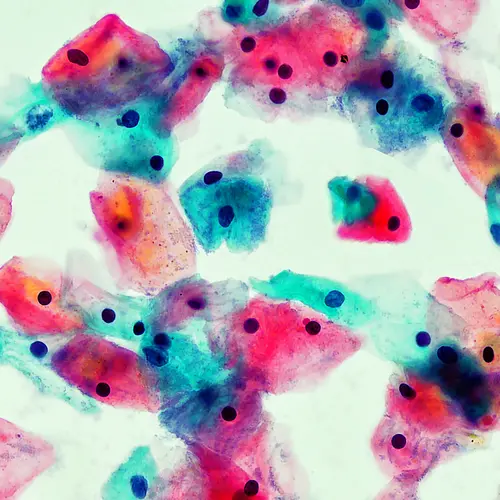
What Is Penile Cancer?
Penile cancer, or cancer of the penis, is when cells grow out of control on or in a man’s penis. It often starts in skin cells and can work its way inside.
It’s rare. But it can be treated, especially if it’s found early on.
There are several types of penile cancer, including:
- Squamous cell or epidermoid carcinoma. This makes up 95% of penile cancer cases. It usually starts on or under your foreskin but can also appear on other parts of your penis.
- Sarcoma. These cancers form in tissues like blood vessels, muscle, and fat.
- Melanoma. This is cancer that starts in the cells that give your skin color.
- Basal cell carcinoma. These cancers start deep in your skin. They grow slowly and aren’t likely to spread to other areas of your body.
Penile Cancer Causes and Risk Factors
Experts don’t know exactly what causes penile cancer. Research shows that it’s more common in men who:
- Have the human papillomavirus (HPV)
- Are over age 60
- Smoke
- Have a weakened immune system because of HIV or AIDS
- Aren’t circumcised. Fluids and a thick buildup called smegma can collect under your foreskin and might make cancer growth more likely.
- Have a condition called phimosis, which makes your foreskin tight and tough to clean. It can also lead to fluid buildup.
- Had psoriasis treatment with the drug psoralen and ultraviolet (UV) light
Signs and Symptoms of Penile Cancer
Changes in penis skin are the most common symptom of penile cancer. They can show up on the foreskin of uncircumcised men, on the penis tip (the glans), or on the shaft.
Symptoms of penile cancer include:
- Changes in skin thickness or color
- A rash or small crusty bumps on your penis; it can look like an unhealed scab.
- Growths that look bluish-brown
- A lump on your penis
- A bad-smelling discharge underneath your foreskin
- A sore on your penis, which may bleed
- Swelling at the end of your penis
- Lumps under the skin of your groin
These signs don’t always mean penile cancer. You might have an infection or an allergic reaction. But it’s important to tell your doctor about any unusual symptoms on or near your penis right away.
Penile Cancer Diagnosis
Your doctor will give you a physical exam and ask you about your symptoms. They may recommend other tests, such as:
A biopsy. Your doctor takes a small sample of tissue from a skin lesion on your penis. Lab tests check it for cancer cells.
Imaging tests, like X-rays, CT scans, ultrasounds, and magnetic resonance imaging (MRI). These look inside your body for tumors or other signs that cancer has spread.
Penile Cancer Treatment
If your cancer is in the early stages, your treatment may include:
- A medication in the form of a cream for your skin
- Cryotherapy, a procedure that uses an extremely cold liquid or a device to freeze and destroy cancerous tissue
- Mohs surgery, in which doctors remove affected skin one layer at a time until they reach healthy tissue
- Lasers to cut and destroy areas that contain cancer
- Circumcision, which is surgery to remove your foreskin. You would have this procedure if you had cancer only in your foreskin.
If your cancer is further along or more likely to spread, you might also have:
- Surgery to remove some or all of the lymph nodes in your groin if your cancer has spread there
- Radiation and/or chemotherapy to rid your body of cancer cells
- A penectomy, which is surgery to remove some or all of your penis
Most treatments for early-stage penile cancer don’t affect your ability to have sex, but chemotherapy and radiation might. Talk to your doctor about possible side effects.
Clinical Trials
Scientists are looking for new ways to treat early and advanced penile cancer in these studies, which test new drugs. Clinical trials often are a way to try new medicine that isn't available to everyone. Your doctor can tell you if one of these studies might be a good fit for you.
Before you sign up, ask for information on what’s involved and what the risks and benefits would be. Learn more about different trials in the U.S. at the National Cancer Institute’s website, https://www.cancer.gov/about-cancer/treatment/clinical-trials.
Penile Cancer Prevention
There’s no one way to prevent cancer, but some things can lower your risk:
- Have a circumcision. When you don’t have a foreskin, it’s easier to keep the area clean.
- If you have a foreskin, make sure to carefully clean underneath it.
- Don’t use tobacco.
- Use safe sex practices to avoid HPV and HIV infections.
Resources and Support
Ask your doctor about support groups in your community. You can also find groups online.
As you go through treatment, it can help to talk with a therapist or social worker who works with people who have cancer.