Tips on Avoiding Colds and Flu
Hide Video Transcript
Video Transcript
Dr. Sandra Fyhofer
I'm sorry you're not feeling well. I'm just glad your flu test came back negative and you don't have the flu. Its just a bad cold go home and get some rest and drink plenty of fluids and you'll start feel better. And no, you don't need an antibiotic.. Dr. Sandra Fyhofer
Hello, I'm Dr. Sandra Fyhofer. Surveys show that Americans suffer a billion colds each year - that's right -BILLION, with a B. But there are some things you can do to avoid the miserable mix of symptoms that comes with cold and flu. Start with a proven immune booster
exercise. Moderate exercise, such as brisk walking 45 minutes a day, five days a week - can reduce risk of cold by a third. Mom knew what she was talking about when she said eat right and get plenty of rest. That, along with exercise and stress reduction, helps keep your immune system healthy and ready to fight off infection. Dr. Sandra Fyhofer (cont.)
Get your flu vaccine as early as possible. Although, flu season peaks from December through March, your body needs time to develop immunity before the virus is widespread. But check with your doctor first because some people should not get the vaccine. The CDC warns that people who are extremely allergic to eggs, anybody who's had a severe reaction to a flu vaccine, and anyone with a current high fever, should NOT get a flu vaccine. Also, infants younger than six months old should not receive a flu vaccine. Dr. Sandra Fyhofer (cont.)
Speaking of newborns, protect them. Make sure everyone who has contact with your baby has been vaccinated for flu. Also, keep newborns away from public gatherings and away from anyone who's sick. Once baby is old enough for play dates or child care, risk of colds and flu begins to skyrocket. It's never too soon to start teaching your child to cough or sneeze into their sleeve, and to begin a life-long habit that's key to preventing illness
hand washing. Dr. Sandra Fyhofer (cont.)
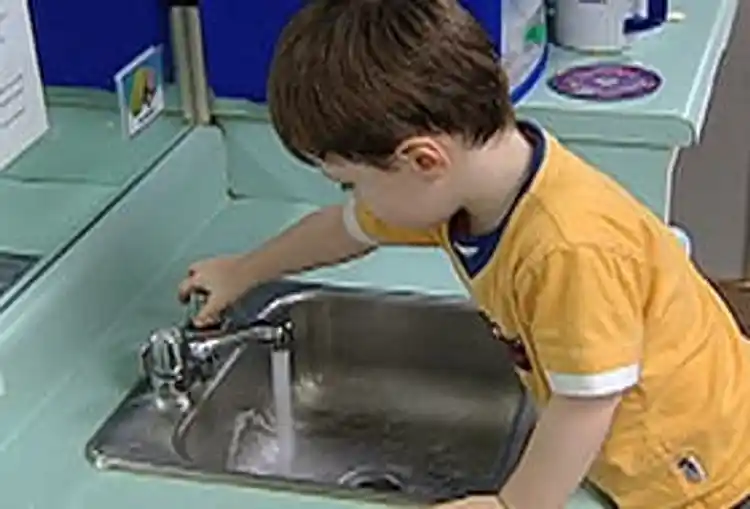
Unfortunately, many adults don't do it properly. Good hand washing is much more than just a quick rinse under the faucet. Use warm water and plenty of soap. Plain soap is fine. It's rubbing your soapy hands together for at least 20 seconds that eliminates germs. You want to clean around the nails. Go between the fingers, and do your wrists as well. Have a good rinse. And then use a paper towel to turn off the faucet, another one to dry your hands, and throw them in the trash. Dr. Sandra Fyhofer (cont.)
You need to keep more than your hands clean. Use disinfectants, especially in the bathroom and kitchen. Stay away from sponges and rags studies show they're the number one source of household germs. If you must use them, change them or soak them in bleach for 15 minutes once a week. And don't forget about germs at work. Keep alcohol based hand gel with you at all times. If you share a workstation, clean the area with antibacterial wipes when you begin your shift. Hold office meetings in large rooms with plenty of ventilation, and don't be afraid to protect your own personal space. Keeping some extra distance space between you and someone who's sick could means you won't miss work or anything else this cold and flu season. For WebMD, I'm Dr. Sandra Fryhofer.