Gluten-Free Diet Slideshow

What Is a Gluten-Free Diet?
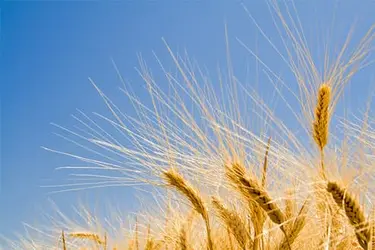
Before tackling the gluten-free diet, let's get to know our culprit. Gluten is a specific type of protein, but one you won't find in meat or eggs. Instead gluten is found primarily in wheat, rye, and barley. Going gluten-free means avoiding these grains. A gluten-free diet is essential for most people with gluten allergies or celiac disease, a condition which causes intestinal damage when gluten is eaten.

Gluten 'Red Flags'
People on a gluten-free diet need a sharp eye for labels. Some ingredient red flags are obvious, like wheat, wheat gluten, barley, or rye. But some foods have "stealth" gluten. Two terms to watch for are malt (which is made from barley) and hydrolyzed vegetable protein (it often contains wheat). And while oats do not contain gluten, they may also increase symptoms, including abdominal pain, bloating, and diarrhea. Is barley gluten-free? See which foods are high in gluten.

Say Bye-Bye to Bread … Mostly
Perhaps the most difficult step in a gluten-free diet is bidding farewell to bread as you know it -- that includes white, wheat, marble, and rye. Also off limits are bagels, muffins, croissants, hamburger buns, scones -- you get the idea. Yes, even pizza. But don't despair. There are alternatives.

You Have Gluten-Free Bread Choices
Many health foods stores and all major supermarkets now carry gluten-free products, including an assortment of breads. These are often made with rice or potato flour instead of wheat products. Just check the label to make sure it says "100% gluten-free."

Lots of Cereals Have Gluten
Traditional breakfast cereals are another casualty for people on a gluten-free diet. Cream of Wheat is obviously out, but so are many other favorites. Read the list of ingredients and avoid any cereal containing wheat, barley, rye, or malt.

Enjoy Corn and Rice Cereals
Corn and rice-based cereals are good breakfast alternatives, but it's crucial to read labels carefully, as some may also contain malt. You may want to check your supermarket's health-food section for gluten-free products.

A New Twist on Pasta
It's true, no matter what its shape or name, most pasta is made out of wheat. So you'll need to avoid regular spaghetti, macaroni, shells, and spirals when you're on a gluten-free diet. Instead, look for pasta made from rice, corn, or quinoa.

Dig in to Rice and Potatoes
On a gluten-free diet? Say hello to filling, flexible rice and potatoes. You can top them with just about anything, mix them into meals, or enjoy them on their own. Still mourning the loss of your favorite pasta? Here's a secret: When you're really craving a bowl of spaghetti, it is possible to find gluten-free pasta -- just think rice noodles.

Most Crackers Are Made of Wheat
Check out the ingredients label and you'll find that most crackers have wheat as one of their main ingredients. Your mission? Find an alternative venue for your favorite cheeses.

Rev Up Munchies With Rice Cakes
Who needs crackers when rice cakes and corn chips can host all sorts of spreads and dips? Another gluten-free crunchy snack: popcorn.

Beware of Breaded Foods
Check the ingredients, but the crunchy coating on most chicken nuggets and fish sticks is generally made from wheat flour.

Who Misses the Breading?
You don't need to hide the succulent charms of fresh chicken, fish, and beef under a bunch of bread. Go for lean meat without any additives and you'll be eating right for a gluten-free diet. Do keep in mind that hot dogs and deli meats are processed, so check the ingredients for additives that might contain gluten.

Avoid Most Cookies and Cakes
While a gluten-free diet won't contain most traditional cakes, pies, cookies, and other celebratory treats -- which are loaded with wheat flour -- there are still lots of ways to satisfy your sweet tooth.

Enjoy Sweet and Chewy Treats
Marshmallows, gumdrops, plain hard candies -- these are all usually gluten-free. But it doesn’t have to stop there. Look for specialty bakeries that may be able to create custom-ordered gluten-free cakes, pies, and other treats, too.

Beer Contains Gluten -- Who Knew?
Unfortunately for fans of the six-pack, most beers are made with barley malt. While there are some gluten-free beers, it's best to check with your doctor or dietitian about whether these are safe for you.

Cheers! You Can Still Raise a Glass
Wine and liquors are generally gluten-free, so you can still raise a glass and offer a toast, no matter what the occasion.

There's So Much More to Enjoy
Along with wine, potatoes, and rice, there are even more delicious foods and drinks that are safe to enjoy on a gluten-free diet, such as eggs, fish, meat, fruits, vegetables, and milk products.
A small note: When using frozen or canned fruits and vegetables, check for additives that might contain gluten. The same goes for processed cheese spreads and flavored yogurts.

When Dining Out, Talk It Out
One of the biggest challenges in maintaining a gluten-free diet is decoding a restaurant menu. Don't be shy. Talk with your server or the chef and explain your dietary needs -- they're there to satisfy you.

Stay Symptom-Free
For most people with celiac disease, even small amounts of gluten can cause symptoms like gas and bloating, changes in bowel movements, weight loss, fatigue, and weakness. That's why going gluten-free can be a big help -- no matter how mild or serious your symptoms. Note: Check with your health care provider before making any major dietary changes.

Gluten-Free Diet and Autism Spectrum Disorder
Some parents believe a gluten-free diet can help children with Autism Spectrum Disorder, although the idea is controversial. The theory suggests children with ASD are sensitive to gluten, and avoiding the protein can improve certain symptoms, such as speech or social behavior. At present, there is not enough research to confirm or refute the effectiveness of gluten-free diets in people with autism.

Going Gluten-Free Is No Cakewalk
The gluten-free diet isn't always easy. People who benefit generally need to stick with the diet for life. That means giving up many staples, such as bread and pasta, and treats like cake and cookies. But it's getting ever easier to find gluten-free alternatives, and careful planning can help you stay gluten-free long-term. Remember: Check with your health care provider before making any major dietary changes.