1 of 6 / Overview
View All
Deep Vein Thrombosis (DVT): Symptoms, Causes, Treatment
When a blood clot forms in a vein deep inside your body, it causes what doctors call deep vein thrombosis (DVT).
Deep Vein Thrombosis (DVT) Symptoms
DVT can have the same symptoms as many other health problems. But about half the time, this causes no symptoms.
Conditions Similar to DVT: How to Tell the Difference
You may have DVT if you notice that one limb is swollen, painful, warm, and red. Other things can cause similar symptoms.
Conditions You Might Have Along With a DVT
If you’ve been diagnosed with DVT, you might be wondering if you’re at a higher risk for other health problems, too.
2 of 6 / Causes & Risks
View All
Could I Get Deep Vein Thrombosis?
DVT is tough to spot. That’s why it’s a good idea to know what puts you at risk so you can avoid getting it.
Who Gets DVT? By Sex, Age, Race, and Ethnicity
The American Heart Association says that combined, DVT and PE affect between 300,000 to 600,000 people in the U.S. yearly.
Genetics and DVT
Factor V Leiden and a prothrombin gene mutation can make it more likely that you'll develop issues because of blood clots.
Blood Clots After Surgery
Surgery is one of the major causes of DVT, a blood clot that forms in the deep veins of your body, often in your leg.
3 of 6 / Tests & Diagnosis
View All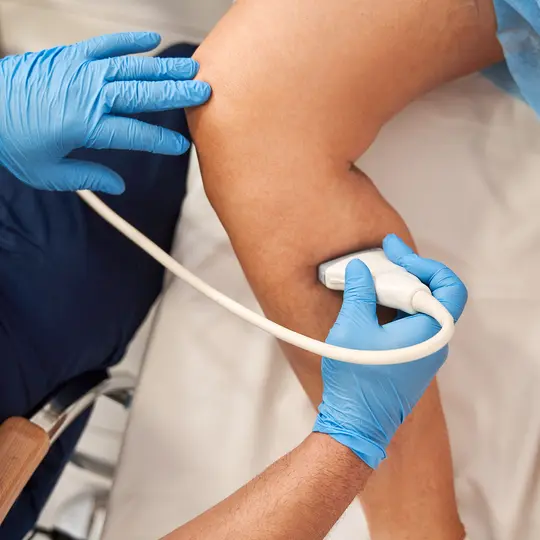
DVT Tests and Diagnosis
If you think you may have deep vein thrombosis (DVT), the best thing you can do is call your doctor as soon as possible.
What Is the D-Dimer Test?
A D-dimer test is a blood test that can be used to help rule out the presence of a serious blood clot.
What Is a Doppler Ultrasound?
A Doppler ultrasound is one of the main ways to test for DVT, a condition where clots form in veins deep in your body.
What Is a Venogram?
Venograms help to detect issues in your veins and can show where you may have clotting or clogging.
4 of 6 / Treatment
View All
DVT Treatments
Often, medication and taking care of yourself will do the trick for treating DVT. But you may need surgery.
How Do Blood Clots Dissolve?
If a clot forms when it’s not supposed to, you might need a little help to make that happen.
What Happens After a DVT?
Most people are fully healed from a DVT within a few weeks or months. You might be worried if it will happen again.
How Does DVT Treatment Progress?
Your treatment may evolve over time depending on the severity of your DVT and your risk factors for getting another one.
5 of 6 / Living With
View All
Foods to Help Prevent DVT
You can control some of the things that affect your chances of deep vein thrombosis (DVT) through the foods you choose.
What to Know About DVT and Exercise
Exercise is important for people with DVT because it helps circulation and eases symptoms of venous insufficiency.
DVT and Your Job
If you’ve had an episode of deep vein thrombosis (DVT), it may feel scary to go back to work.
Resources for Deep Vein Thrombosis
There are ways to get help for DVT. Nonprofit organizations, online communities, and blogs can provide extra information.
6 of 6 / Complications
View AllComplications of Deep Vein Thrombosis (DVT)
If you have a clot in a deep vein, you're at risk for damage to your veins and organs as well as other health problems.
Pulmonary Embolism: A Complication of DVT
A pulmonary embolism usually happens when a blood clot called a DVT travels to your lungs and blocks a blood vessel.
Post-Thrombotic Syndrome
If you’ve had a DVT, you could have symptoms that linger after recovery, a condition called post-thrombotic syndrome.
How to Manage Post-Thrombotic Syndrome
There's no cure for post-thrombotic syndrome (PTS), but there are things you can do to help ease symptoms.
Suggested Reads about DVT
Work from Home DVT Risks and How to Manage Them
Discover the link between deep vein thrombosis and working from home. Learn what puts you at an increased risk for DVT and how to avoid it.
Ten Things That Put Athletes at Risk for DVT
Discover the connection between athletes and deep vein thrombosis. Learn what puts athletes at risk for developing DVT.
The Pain in My Leg Turned Out to Be a Blood Clot
Since my first DVT in 2005, I’ve had 14 instances of blood clots and pulmonary embolisms of the lung. This battle has changed the way I live.
DVT Cases and COVID: What Are the Links?
Doctors have found more blood clot cases, like DVT and PE, during the pandemic. Find out what might cause these conditions, how they relate to COVID-19, and what impacts the combined illnesses may create.
8 million+ Physician Ratings & Reviews
Find Doctors and Dentists Near You
You can also search by physician, practice, or hospital name