Healthy Beauty Quizzes
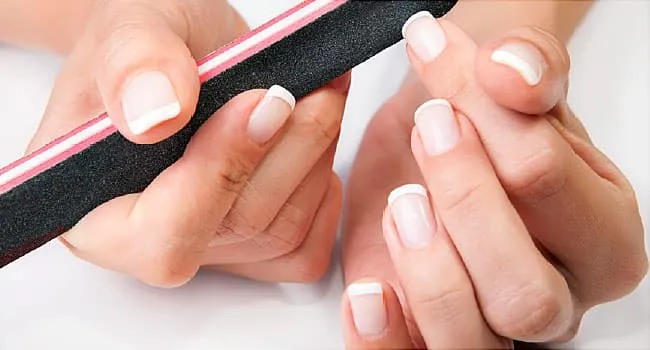
Test Your Nail Know-How Now!
- Chemical Peels: How Much Do You Know?
Chemical peels are a popular way to revitalize skin. How much do you know about them? Take this quiz and find out.
- Quiz: How to Keep Your Skin Looking Great With Eczema
Having eczema can be really irritating. Find out what you can do to keep your skin looking good.
- Quiz: Do You Know How to Get a Beautiful Smile?
How's your smile? Take this quiz to see if you know how to get a brighter, better smile.
- Can Foundation Tone Sunburn?
Answer this question to find out if foundation can tone sunburn.
- Improve skin with soy
Answer this question to find out more about improving skin with soy.
- How to Get Straight Hair
Answer this question to find out more about effective hair straightening.
- Are Hypoallergenic Products Always Safe?
Answer this question to find out if hypoallergenic products can cause allergic reactions.
- How Do I Sun-Proof My Lips?
Take this quiz to learn more about protecting your lips from the sun.
- Avoid Cosmetic Injury!
Take this quiz to find out what cosmetic is most likely to cause injury.
- Does Shaving Create Coarse, Dark Hair?
Take this quiz to learn more about the reality of shaving.
- Is It Safe to Mix Color and Keratin?
Take this quiz to find out if combining color and keratin is safe for your hair.
- Can a Stressful Job Turn Hair Gray
Answer this question to find out if having a stressful job can turn hair gray.
- Simple Quiz: Top Male Hair Removal Spots?
Answer this question to find out more about the top laser hair removal spots for men.
- Simple Quiz: What to Do Before Shaving?
Answer this question to find out more about how long you should wash your face.
- Simple Quiz: Do Men's Soaps Differ From Women's?
Answer this question to find out more about the difference between men's and women's soaps and cleansers.
- Simple Quiz: Shaving Tip
Answer this WebMD question to find out what you need to do after shaving.
- Simple Quiz: Does Stress Cause Pimples?
Answer this question to find out if you're more likely to get pimples when stressed.
- Simple Quiz: Is electrolysis permanent?
Answer this question to find out more about whether electrolysis removes hair permanently.
- Simple Quiz: Who Should Avoid Beta Hydroxy Acid?
Answer this question to find out who should avoid products with beta-hydroxy (salicylic) acid.
- Simple Quiz: Can Yo-Yo Dieting Cause Wrinkles?
Answer this question to find out more about whether yo-yo dieting can cause wrinkles.
- Simple Quiz: Does Gel Nail Polish Reduce Chipping?
Answer this question to find out whether gel nail polish reduces chipping
- Simple Quiz: Is Henna Permanent Hair Color?
Answer this question to find out whether henna is permanent hair color.
- Simple Quiz: When Do Smokers Start Wrinkling?
Answer this question to find out when smokers can start to get wrinkles.
- Simple Quiz: Which Shampoo for Oily Hair?
Answer this question to find out which shampoo to use for oily hair.
- Simple Quiz: How Well Do Tooth Bleaches Work?
Answer this question to find out more about how white bleaching products can get your teeth.
- Simple Quiz: Best Way to Fight Skin Aging?
Answer this question to find out more about preventing skin aging.
- Simple Quiz: Add Water to Dried Mascara?
Answer this question to find out whether you should add warm water to dried mascara.
- Beauty Quiz: Avoiding Common Makeup Mistakes
Do you leave the house with "clown cheeks" or a visible foundation line? Learn how to avoid common makeup blunders with this quiz.
- Quiz: The Secrets of Cellulite
What causes cellulite? Can you get rid of it? Take this quiz to find out.
- Quiz: Nail Problems Solved
Hangnails, ragged cuticles, stains, peeling, splitting: A quiz about what's behind your most common fingernail problems, and how to fix them
- Lash Life: A Quiz About Mascara, Fakes, and Curling
Long eyelashes help you look younger and sexier. Learn about how to make your lashes look their best with this quiz.
- Quiz: What's the Best Way to Brighten Your Skin?
Are chemical peels, dermabrasion, or laser treatments the best way to brighten your skin? Our quiz has the answers.
- Quiz: Get Smart About Aging Skin and Wrinkles
Aging affects everyone. Take this quiz to get smarter about antiaging products, wrinkle creams, Botox, age spots, and facelifts.
- Quiz: Fast Fixes to Put Your Best Face Forward
Got a beauty crisis and just a little time? See what you know about fast face fixes.
- Hair Care Quiz: The Truth About Your Tresses
Want healthier, prettier hair? Take this quiz to find out how to have it.
- Quiz: Do You Know How to Fix Problem Hair?
Split ends, frizzies, cowlicks, chlorine green – everyone has some kind of hair problem. Try this quiz to see if you know how to fix yours.
- Quiz: Secrets of a Healthy, Pretty Mouth
Quiz: How to get soft, healthy lips and white teeth. Find out the best ways to prevent lip and tooth problems like food stains and chapped lips.
- Quiz: The Burning Facts About Sunscreen
Confused About sunscreen? Find out the burning facts in this WebMD quiz.
- Hair Removal Quiz: Solutions for Unwanted Hair
Wondering what to do about unwanted hair? Take this quiz to learn about hair removal options, from shaving and waxing to high-tech procedures like laser hair removal.
- Quiz: Test Your Hair Straightening Smarts
Wondering what's the best way to straighten your hair? Take this quiz to learn about hair straightening options and how they work.
- Cosmetics Quiz: The Truth About Your Makeup
Take this quiz and find out the dos and don'ts of your lipstick, mascara, and other cosmetics.
- Quiz: Cosmetic Surgery Myths and Facts
Curious about cosmetic surgery? Take this quiz and see how much you know about it.
- Sun Myths & Facts Quiz
Do you know how to stay safe out in the sun? Take this quiz and find out.
- Quiz: Test Your Hair Coloring Know-How
Test your knowledge of hair colors and dyes with this quiz.
- Antiaging Quiz: Do You Know How to Stay Young?
Do you know how to look younger? Which products work? Which don’t? Take this quiz and find out.