A Visual Guide to Atrial Fibrillation

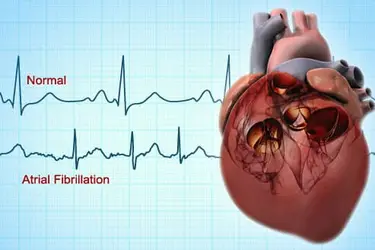
What Is AFib?
Atrial fibrillation is a condition that disrupts your heartbeat. A glitch in the heart’s electrical system makes its upper chambers (the atria) beat so fast they quiver, or fibrillate. This causes the lower chambers (the ventricles) to beat out of sync.
AFib can be dangerous because it raises your risk of stroke and heart failure.

Not a Normal Heart Rhythm or Rate
Usually the atria and ventricles work together so the heart pumps blood in steady rhythm. But in AFib, they don't. The irregular beats can cause a fast, fluttering heart rate -- 100-175 beats per minute -- instead of the normal 60-100 beats per minute.

Warning Signs
For many people, AFib symptoms aren't obvious . But when there are, they'll often include:
- An uneven pulse
- A racing or pounding heart
- A feeling that your heart is fluttering
- Chest pain
- Feeling short of breath
- Lightheaded or dizziness

Effects
When your heart is in AFib, your blood doesn't move well throughout your body. You may feel:
- Dizzy or faint
- Breathless
- Weak and fatigued

When It's an Emergency
AFib isn't always a cause for alarm. But you should call 911 if you have:
- Chest pain
- Uneven pulse and feel faint
- Signs of a stroke, such as numbness or slurred speech
And let your doctor know whenever something doesn't feel right.

Greater Risk of Stroke
When your heart isn't pumping like it should, the slow-moving blood can pool inside, which makes it easier for clots to form. If that happens, and a clot travels through the bloodstream to your brain and gets stuck, you could have a stroke. People with AFib are five times more likely to have one.

What Causes It?
The most common triggers are conditions that strain your heart, including:
- High blood pressure
- Coronary artery disease and heart attacks
- Heart failure
- Problems with heart valves
Sometimes, AFib may be set off by thyroid disorders or serious infections like pneumonia.

Who Gets AFib?
Your chances of having the condition are higher if:
- You are male and white.
- You are over 60.
- A close family member had or has it.

Triggers You Can Control
It's also been linked to things you can do something about:
- Being overweight or obese
- Drinking too much alcohol
- Smoking
- Using stimulants, including some illegal drugs
- Taking certain prescription drugs, such as albuterol

After Heart Surgery
A coronary artery bypass or other type of heart surgery can trigger AFib. If it happens, you're more likely to have other complications, too. Fortunately, this type of AFib usually doesn't last long.

Lone AFib
When it happens without an obvious trigger, it's called lone AFib. This is more common in people younger than 65.
You'll need treatment if a rapid heartbeat causes troubling symptoms. Doctors may also recommend treating it to lower the chances of stroke for people already at risk.

Diagnosed With ECG
The way to confirm AFib is with an electrocardiogram (EKG). The machine detects and records the electrical activity of your heart, so your doctor can see problems with its rhythm. You can do it in the doctor's office, or you may need to wear a device that keeps track of your heart's activity for a longer time to catch an episode. The device can be worn from 24 hours to 2 weeks, and sometimes longer.

Other Tests
If an EKG shows AFib, your doctor may want to learn more about your heart. An echocardiogram or ultrasound can show valve damage or signs of heart failure. A stress test can reveal how well your heart does when it's working hard.
Your doctor may also want tests to look for conditions that could have triggered your AFib.

How Long It Lasts
When you first develop AFib, it may come and go. Your irregular heart rhythm may last anywhere from a few seconds to a few weeks. If a thyroid problem, pneumonia, or other treatable illness is behind it, AFib usually goes away once that cause is better.
But for some people, their heart rhythm doesn't return to normal.

Cardioversion
Your doctor may try to restore a normal heart rhythm with electric shock or medication. But if you've been having AFib for more than 48 hours, the procedure could increase your chance of a stroke. You may need to take a medicine called a blood thinner for several weeks before your doctor tries cardioversion, as well as afterward.

Medication
If your symptoms are mild, or if AFib comes back after cardioversion, you may be able to control it with medicine. Rhythm-control drugs help keep the pattern of your heartbeat steady. Rate-control medications keep your heart from beating too fast.
Daily aspirin or drugs called anticoagulants or blood thinners can help prevent clots and lower some people's chances of having a stroke.

Ablation
A doctor feeds a small probe through a blood vessel to your heart and uses radiofrequency energy, a laser, or intense cold to zap the tissue that sends out the bad signals. Although you won't need open heart surgery, the procedure has some risks. It's only for people who have serious symptoms that cardioversion and medications haven't helped.

Surgery
In the maze procedure, the doctor makes a pattern of small cuts on your heart to create scar tissue. These scars can't pass electrical signals, so they stop AFib. Usually you'd have this done during open heart surgery, but some medical centers can do it with smaller openings that cause less stress on your body.

Pacemaker
A small, battery-powered device can send out electrical signals to control your heart rate. It can help people whose hearts beat very slowly. And it can relieve symptoms like fatigue and breathlessness. You may need one after ablation, depending where the tissue was.
Getting a pacemaker put in your chest is considered minor surgery, and it usually takes about an hour.

Living With AFib
Many people find that AFib has no impact on their daily lives. But some have to manage troubling symptoms like weakness, shortness of breath, or fainting.

Prevention
The same healthy habits that protect against heart disease will protect you against AFib:
- Eat a nutritious diet that includes fish.
- Exercise regularly.
- Control your blood pressure.
- Don't smoke, and avoid secondhand smoke.
- Decrease or avoid alcohol.

Check Your Pulse Monthly
AFib can lead to a stroke or another serious problem before it causes symptoms you'll notice. To catch an irregular heartbeat early, the National Stroke Association recommends you check your pulse once a month -- especially if you're over 40 or have other risk factors for stroke. If your rhythm seems unsteady or you have any concerns, call your doctor.