If these get too narrow, it can be hard for your heart to get the fresh blood and oxygen it needs. If it doesn't get enough, you can be at risk for a heart attack or other serious health problems.
A cardiac perfusion test tells your doctor if the muscles of your heart are getting enough blood. It's also known as myocardial perfusion imaging or a nuclear stress test.
You might need this test if:
- You're having chest pains because of narrowed or blocked arteries -- a problem known as angina.
- You've had a heart attack, and your doctor wants to find out what kind of shape your heart is in.
- You've had a procedure to open up your coronary arteries, such as an angiogram, a stent, or bypass surgery, and your doctor wants to make sure it's working.
How Is a Cardiac Perfusion Scan Done?
Your doctor will put small patches called electrodes on your chest, arms, and legs. They have wires that are hooked up to a machine that will track your heart rate. You'll also wear a cuff on your arm to record your blood pressure.
You'll probably be asked to exercise on either a treadmill or a stationary bicycle. Near the end of that exercise, your doctor will put a small amount of radioactive material, known as a "tracer," into your bloodstream. It will mix with your blood as it's pumped through your body.
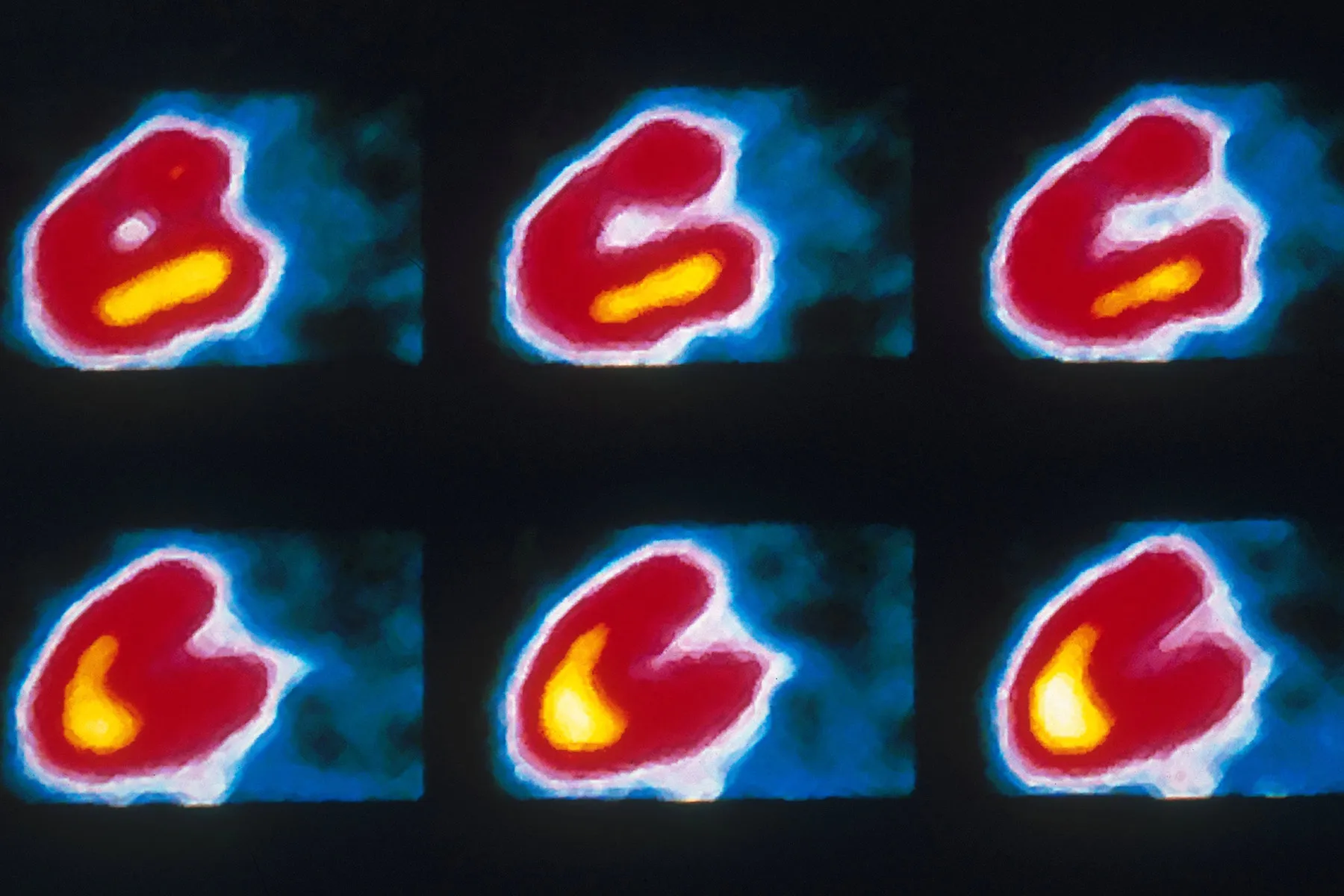
Your doctor will ask you to lie on a table while they use a special camera, called a gamma camera, to take pictures of your heart. The camera will pick up the tracer and show where blood is getting to your heart and where it isn't.
If you're not healthy enough to exercise, you'll take a drug that dilates, or widens, your coronary arteries. Then you'll be given the tracer.
After you've rested for several hours, you'll get another scan with the camera so doctors can compare the earlier test results with your normal blood flow.
The entire test can take up to 4 hours.
How Do You Prepare for a Cardiac Perfusion Scan?
You may be asked to do a few things before the test:
- You may need to stop taking some medications.
- You may need to avoid some food or drinks, especially ones that have caffeine in them, for a day before your test. You shouldn't eat or drink anything but water for up to 6 hours before the test begins.
If you're pregnant or breastfeeding, be sure to tell your doctor before the test. Radiation can harm a developing baby or be passed to a child through breast milk.
You'll be asked to exercise, so wear comfortable clothes and shoes. Your doctor may or may not ask you to wear a hospital gown for the test.
Don't wear any jewelry or other metal during the test.
What Are the Risks?
There's not a lot of danger in a cardiac perfusion test, but you might feel some discomfort:
- You could have chest pains, or your heart's rhythm might be thrown off. Tell your doctor if that happens.
- You won't get much radiation from the tracer. But some people may have allergic reactions to the tracers or other drugs used.
- The area where the tracer is put into your body might be sore afterward, just like where you get any other shot.
What Happens After the Test?
When it's over, you'll make an appointment with your doctor to talk about the results.
Your body will get rid of the radioactive tracer through your urine or stool in about a day. You might be told to drink extra fluids to help that along.