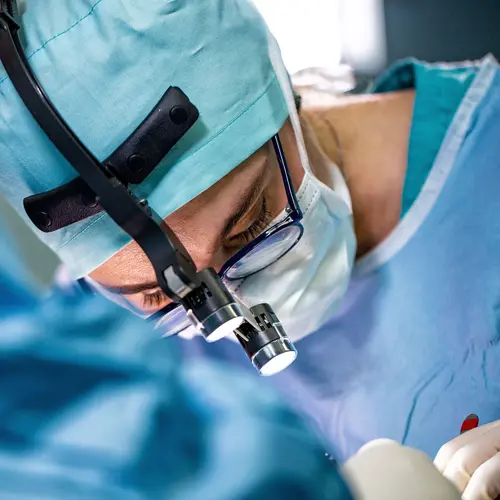
An electrophysiology (EP) study is a test that records the electrical activity and the electrical pathways of your heart.
It can help find what’s causing your irregular heartbeat. It also helps figure out the best treatment for you.
During the EP study, your doctor will safely reproduce your heart rhythm. Then, they may give you different medicines to see which controls it best.
Sometimes, one of these studies is done before you get an implantable cardioverter/defibrillator (ICD). It can help your doctor discover which device is best for you. It can also help them track treatment success.
How Should I Prepare?
First, ask your doctor what medications you’re allowed to take during the study. They may ask you to stop certain medications a few days beforehand. If you have diabetes, ask your doctor how you should adjust your diabetes medications.
Don’t eat or drink anything after midnight the evening before. If you must take medications, have them only with a small sip of water.
Wear comfortable clothes to the hospital. You’ll change into a hospital gown for the procedure. Leave all jewelry and other valuables at home.
Bring someone with you. Your doctor will tell you if you can go home or must stay in the hospital after the procedure. If you can go home, you’ll need someone else to drive.
What Can I Expect?
First, you’ll lie on a bed and a nurse will start an intravenous (IV) line into your arm or hand. This is so you can receive drugs and fluids during the procedure. You will be given a drug through your IV to relax you and make you drowsy, but it may not put you to sleep.
The nurse will connect you to several monitors.
Your groin will be shaved and cleansed. Sterile drapes will cover you, from your neck to your feet. A soft strap will be placed across your waist and arms to keep your hands from touching the sterile field.
An electrophysiologist (a doctor who specializes in the diagnosis and treatment of abnormal heart rhythms) will numb the skin in your groin (a few inches to the side of your genitalia) with medication. Then, they’ll insert several catheters, or tubes, into a vein. The catheters are threaded to your heart, where they’ll sense the electrical activity there and evaluate your heart.
The doctor will use a machine to deliver electricity through one of the catheters to increase your heart rate.
You may feel your heart beating faster or stronger. Your nurses and doctor will want to know about any symptoms you are feeling. If your irregular heart rhythm starts up, your doctor may give you medications through your IV to see how well they control it. If necessary, a small amount of energy may be delivered by the patches on your chest to bring back a normal rhythm.
Based on the information collected during the study, the doctor may continue with something called an ablation procedure. That scars some of the tissue in your heart to restore a normal rhythm.
They may also continue monitoring you with a pacemaker or ICD.
The EP study takes about 2 to 4 hours to perform. However, it can take longer if additional treatments such as catheter ablation are performed at the same time.
What Happens After?
The doctor will remove the catheters from your groin and apply pressure to the site to prevent bleeding. You will be on bed rest for an hour or two.