Your heart is the most important muscle in your body. During your lifetime, it will pump enough blood to fill about three supertankers.
The aorta is the largest blood vessel in the body. Although your aorta is a tough, durable workhorse, sometimes its walls can weaken and bulge in what is called an aortic aneurysm. This could cause a leak that spills blood into your body.
Some aortic aneurysms burst, while some don’t. Others force blood flow away from your organs and tissues, causing problems, such as heart attacks, kidney damage, stroke, and even death.
Types of Aortic Aneurysms
There are two locations of aortic aneurysms:
- A thoracic aortic aneurysm (TAA) happens in your chest.
- An abdominal aortic aneurysm (AAA) happens in your abdomen, below your diaphragm.
Most aortic aneurysms are AAAs, located in your belly. TAAs are most often located in the part of your aorta closest to your heart. An aortic root aneurysm happens when your aorta connects to your heart's left ventricle. An ascending aortic aneurysm happens in the next section through which blood flows on its way to the rest of your body.
Aortic Aneurysm Risk Factors
You're more likely to have an aortic aneurysm if you:
- Are over age 65
- Are a man or were assigned male at birth
- Smoke
- Have high blood pressure
- Have family members with aortic aneurysm
- Were born with a heart valve defect called a bicuspid aortic valve
You're also at higher risk for a thoracic aortic aneurysm if you have certain disorders that affect your connective tissue, including Marfan syndrome, Loeys-Dietz syndrome, vascular Ehlers-Danlos syndrome, and Turner syndrome.
Aortic Aneurysm Causes
Aneurysms are caused by damage to the inside wall of your aorta that creates a weak spot. Over time, the pressure of blood pumping through your blood vessels causes the weak spot to bulge or rupture. This can be part of the process of certain inherited diseases, such as Maran syndrome. It can also be a result of:
- High blood pressure
- Plaque buildup in your arteries (atherosclerosis)
- High cholesterol
- Inflammation in your aorta
- Sudden traumatic injury, like from a car crash or fall
- Untreated infection, including syphilis and salmonella
Aortic Aneurysm Symptoms
You might not know you have an aortic aneurysm because symptoms often don’t show up until it becomes large, or bursts. As it grows, signs of an aortic aneurysm can include:
- Pain in your jaw, neck, chest, back, abdomen, buttocks, groin, or legs
- Trouble breathing or swallowing
- Shortness of breath
- Coughing , possibly coughing up blood
- Hoarseness
- Wheezing
- Swelling in your arms, neck, or head
- Feeling of fullness in your stomach
- Throbbing sensation near your navel
If the aneurysm ruptures, serious symptoms will come on quickly. You might have:
- Sudden intense pain in your chest, neck, back, or abdomen
- Pale, sweaty skin
- Very faint pulse
- Fast heartbeat
- Dizziness
- Numbness or tingling in your arms or legs
- Nausea or vomiting
If you have chest pain, you may immediately think heart attack. But while the feeling of a heart attack may start as mild discomfort and get worse, pain from a ruptured aortic aneurysm is intense and comes on quickly. It can be described as a ripping, stabbing, or tearing feeling.
Aortic Aneurysm Diagnosis
Aortic aneurysms are usually found when you're having an imaging test of your chest or abdomen for some other reason.
If you're having symptoms, your doctor can make the diagnosis with one of several different tests:
- Echocardiogram
- CT scan
- Ultrasound
- MRI
Aortic Aneurysm Treatment
An aortic aneurysm can quickly become fatal if it ruptures. You'll need emergency surgery to repair it.
But if your doctor finds one before it bursts, and it's small, it may be safer to watch it for a while than to have surgery right away. You'll need to have it checked after 6 months with a CT scan or echocardiogram to measure it again. How often you need another scan will depend on how big it is and how fast it's growing.
You'll also need to control your blood pressure and cholesterol. Your doctor may prescribe medications to help with that, such as:
- Beta-blockers
- Angiotensin-converting enzyme (ACE) inhibitors
- Statins
- Angiotensin 2 receptor blockers (ARBs)
If you smoke, stop. And be careful not to do things that could bring on a rupture, such as intense weightlifting or other very strenuous exercise, or using stimulating drugs like cocaine.
Surgery is usually a better option for an aortic aneurysm that's in danger of bursting.
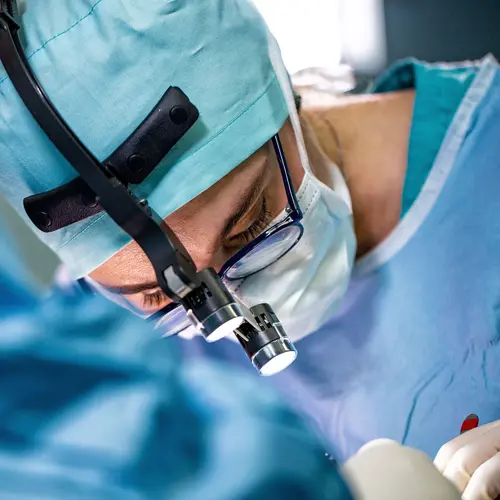
Aortic aneurysm surgery
Your doctor may recommend surgery if your aneurysm is big -- more than 2 inches (5 centimeters), or if it's getting larger quickly -- growing more than 3/16 inch (0.5 centimeters) in a year. They'll either replace or reinforce the damaged section of your aorta to make it stronger. There are two common procedures.
Open aneurysm repair. The part of your aorta where the aneurysm is located is cut out, and an artificial tube called a graft is sewn in its place. If the aneurysm is close to where your aorta attaches to your heart, the valve between them may also be replaced. You'll most likely have this procedure if your aneurysm is in your chest. You can expect it to take a month or more to recover.
Endovascular aneurysm repair (EVAR). This is a less invasive procedure that uses a mesh sleeve to strengthen your aorta. A tube called a catheter is threaded through an artery in your groin to the site of the aneurysm. The surgeon inserts a device called a stent graft, which expands and attaches to the inner wall of your aorta to provide support. This procedure is more common if the aneurysm is in your abdomen. It takes less time to recover, but you'll need to have it checked regularly to make sure the stent isn't leaking or moving.
Like all surgery, aortic aneurysm repairs can cause infection, bleeding, blood clots, and blood vessel damage. These procedures also have a risk of stroke, paralysis, or organ damage.
Aortic Aneurysm Complications
If a doctor diagnoses you with an aortic aneurysm, there's a chance you can have serious complications. These may include:
- Blood clots. Small clots can form in the area of the aneurysm, break off, and flow to your legs, kidneys, or other organs. This can cause major problems, including a stroke.
- Dissection. The wall of your aorta has three layers. A dissection is when you get a tear in the innermost layer, which allows blood to flow between the layers. This can keep blood from getting to your organs like it's supposed to.
- Rupture. A tear through all three layers of the aortic wall is called a rupture. This allows blood to flow into your chest or abdominal cavity. It can be fatal if it isn't fixed right away.
Aortic Aneurysm Prevention
If you're at higher risk of developing an aortic aneurysm because of a genetic condition, a family history, or a heart valve defect, it makes sense to get a screening test. You can also ask your doctor to check your aorta if you're having a chest or abdominal scan for some other reason. Screening is recommended for men or people assigned male at birth who are aged 65-75 years, and those who smoke or have ever smoked.
You can take other steps to keep your blood vessels strong and healthy to lower your risk, such as:
- Don't smoke.
- Exercise regularly.
- Eat plenty of heart-healthy food, including fruits and vegetables, whole grains, and lean protein. Watch your saturated fat and salt intake.
- Keep your blood pressure and cholesterol levels in the normal range. Your doctor may prescribe medications to help.
If you've been diagnosed with an aortic aneurysm that your doctor is watching, be on alert for symptoms of a rupture. If you have sudden pain in your back, chest, or abdomen, or even just a strange feeling in your chest, call 911 or get to an emergency room right away. Let them know you have an aneurysm so they can do the right kind of tests.
Takeaways
An aortic aneurysm is a weak spot or bulge in the wall of the main artery taking blood from your heart to the rest of your body. It can be located in your chest or abdomen. If an aneurysm bursts, it causes internal bleeding that can be fatal. Ask your doctor whether you should be screened, and keep your blood vessels strong and healthy to lower your risk.
Aortic Aneurysm FAQs
Are there warning signs of an aortic aneurysm?
An aortic aneurysm often doesn't cause symptoms unless it ruptures. If it does, you'll feel sudden, intense pain in the area of the aneurysm. You may have a weak pulse and fast heartbeat, and feel dizzy or nauseated.
What is the survival rate of an aortic aneurysm?
If an aortic aneurysm ruptures, you must have emergency surgery as quickly as possible to survive. But even among those who make it to surgery, about one-third to one-half die. Of those who have surgery before the aneurysm ruptures, more than 95% survive the procedure.