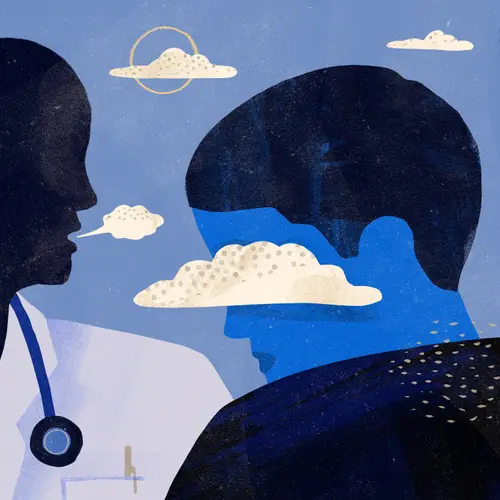
HIV , in its advanced stages, may be linked with mental decline and worsening motor skills. When the virus attacks someone's nervous system, it can damage their brain and cause HIV-associated neurocognitive disorders (HAND).
Symptoms of HAND include at least two of the following:
- Short attention span
- Memory loss
- Headaches
- Mood swings
- Depression
- Irritability
- Poor judgment
- Confusion
- Slowed learning
- Poor coordination and balance
- Weakness in the arms and legs
Three Classes of HAND
Asymptomatic neurocognitive impairment. Tests show a decline in mental abilities, but the person's everyday life isn't affected.
Mild neurocognitive disorder. There’s a noticeable change in the person's ability to do everyday tasks.
HIV-associated dementia. This form really limits someone's ability to lead a normal life. People in the later stages can have seizures, psychosis, and loss of bladder or bowel control.
All stages of HAND are much less frequent than in years past due to the widespread use of antiretroviral therapy, or ART.
Diagnosis
The symptoms of HIV-associated dementia are similar to those in a number of disorders, so diagnosis can be tricky. Plus, symptoms can vary from one person to the next.
The doctor may do a mental evaluation, laboratory testing, brain scan, and spinal tap (a test sample of the fluid surrounding the spinal cord).
Treatment
While there's no cure, the most effective treatment for HIV-associated dementia is ART, which is known to reduce the amount of HIV in the blood and also in the fluid surrounding the spinal cord and brain..
Some ART drugs cross the blood-brain barrier more effectively than others, but it is not known whether choosing ART drugs specifically for this purpose is associated with better outcomes. You should talk with your doctor about the ART drugs that will work best for you. Your doctor may also prescribe an antidepressant, an antipsychotic drug, or a psychostimulant (a drug for alertness).
A person with HIV-associated dementia may need help remembering to take their medications.