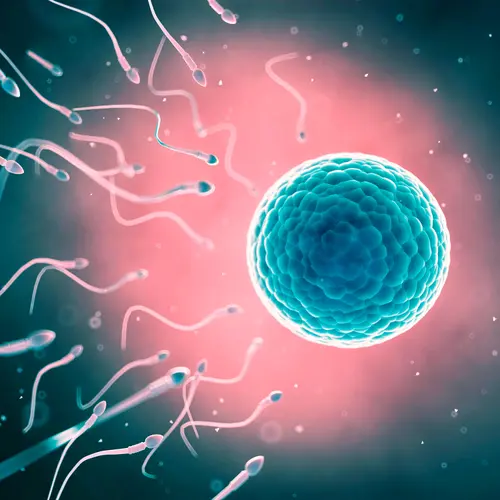
You may know it takes one sperm and one egg to make a baby but, if you're like most people, you might not remember much else about sperm from biology class. If infertility is an issue for you and your partner, it helps to understand some of the basics.
What Is Sperm?
Sperm are male sex cells. You might also hear them referred to as reproductive cells, or gametes. They fertilize female sex cells, called eggs or ova, which results in pregnancy.
Parts of sperm
- The head. This part of the sperm carries 23 chromosomes, which contain all the genetic information that the male will pass on. Fertilization occurs when a sperm cell penetrates an egg and combines with the 23 chromosomes the egg contains. That forms a single cell of 46 chromosomes. If all goes well, a baby will be born 9 months later.
- The middle. This section contains mitochondria, which create the power that your sperm needs to move.
- The tail. Also called the flagellum, the tail propels the sperm forward and through the female’s uterus and fallopian tubes in search of an egg to fertilize. The tail makes up about 90% of the sperm’s length.
Sperm vs. Semen
Sperm are cells that fertilize a female’s eggs as part of the human reproductive process. They must travel from a male’s testicles, where they’re made, to a female’s fallopian tubes, where eggs are found. But they can’t get there on their own. Instead, semen carries them.
This whitish fluid gets produced when sperm mixes with fluids produced by other parts of the male reproduction system -- namely, the seminal vesicles and the prostate.
Upon ejaculation, the semen releases out of the penis, and it carries the sperm along. Semen also contains chemicals called prostaglandins, which make it easier for sperm to move toward an unfertilized egg.
Where Is Sperm Produced?
Sperm are produced in the testicles. This happens within tiny tubes called seminiferous tubules. It’s an ongoing process, as the testicles make sperm nonstop. However, new sperm need time to mature before they’re ready to do their job of fertilizing an egg. That can take more than 10 weeks. While they wait to mature, young sperm get moved along to another tube on the back of the testicles, known as the epididymis.
Does pre-ejaculate contain sperm?
Yes. Pre-ejaculation fluid can have sperm in it. That makes it possible to start a pregnancy even if no ejaculation happens during unprotected vaginal sex.
How Long Does Sperm Live?
The answer depends on many things, but the most important factor is where the sperm are located.
On a dry surface, such as clothing or bedding, sperm are dead by the time the semen has dried. In water, such as a warm bath or hot tub, they'll likely live longer because they thrive in warm, wet places. But the odds that sperm in a tub of water will enter a woman's body and cause them to get pregnant are extremely low.
When sperm are inside female bodies, they can live for up to 5 days. If you're a man or a person assigned male at birth and you have sex even a few days before your partner ovulates, there's a chance they may get pregnant.
What Is Sperm Count and Motility?
Sperm count refers to the number of sperm cells in a semen sample. A normal sperm count ranges from 15 million to over 200 million sperm per milliliter of semen. If your sperm count drops below 15 million/mL, you may have trouble impregnating your partner.
Sperm motility is a measure of how many of your sperm move after you ejaculate and how well they can move. Sperm that can’t move normally won’t be able to reach an unfertilized egg. Ideally, at least 40% of your sperm will move normally. The higher the number of sperm that move, the better the chance of pregnancy.
Some research suggests that different ethnic groups may produce different amounts of healthy sperm. For example, a 2020 study found that Black men were more likely to have a low sperm count compared to white, Asian, and Hispanic men.
Semen Analysis
If you and your partner have struggled to start a pregnancy, a semen analysis will be one of the first tests used to detect any problems with the male partner’s sperm.
Some things you can learn from the analysis:
Amount and thickness of semen. On average, each time men ejaculate they release 2-6 milliliters (mL) of semen, which is about a half teaspoon to one teaspoon. Less than that amount may not contain enough sperm for a woman to get pregnant. On the other hand, more than that could dilute the concentration of sperm.
Semen should be thick to start with and become thinner 10-15 minutes after ejaculation. Semen that stays thick may make it difficult for sperm to move.
Sperm concentration. Also called sperm density, this is the number of sperm in millions per milliliter of semen. A sperm count of 15 million or more per mL is considered normal.
Morphology. This is an analysis of the size, shape, and appearance of sperm.
Low sperm count
Many different health conditions can cause your sperm count to drop below normal. They include:
- Varicoceles. This is a swelling of the veins that empty the testicles.
- Infections. Some sexually transmitted infections as well as infections of or near the testicles can lower your sperm count.
- Problems with ejaculation. One type of issue, called retrograde ejaculation, diverts semen to the bladder rather than pushing it out of your penis. The causes of this include:
- Diabetes
- Blockages in the tubes that carry sperm
- Spinal injuries
- Surgery on the bladder, prostate, or urethra
- Cancer. Some cancers as well as some cancer treatments can affect your sperm count.
- Hormone imbalances. Several hormones, including testosterone, help make sperm. Problems with any of those hormones could spell trouble for sperm production.
Some medications can also interfere with your sperm count by affecting your ability to produce sperm as well as your ability to ejaculate. These include:
- Testosterone replacement therapy
- Alpha-blockers, a type of blood pressure medication
- Chemotherapy
- Anabolic steroids
- Some ulcer medications
- Some antifungal and antibiotic medications
Other causes of low sperm count include:
- Exposure to industrial chemicals, such as pesticides and herbicides
- Exposure to heavy metals, such as lead
- Exposure to radiation or x-rays
- Smoking, alcohol, and drug use
- Emotional stress and depression
- Obesity
Treating low sperm count. Treatment will depend on what’s causing your low sperm count. The treatment options include:
- Antibiotics to treat infections
- Counseling, which may help with erectile dysfunction and ejaculation problems
- Hormone treatments
- Surgery
How to Increase Sperm Count
If you know your sperm count is below normal, you need to treat the cause. But there’s plenty that you can do to keep your sperm healthy and ready to do their job. In fact, many of the things you do to keep yourself healthy can do the same for sperm. Try some of these tips:
- Don't smoke or use illicit drugs, especially anabolic steroids.
- Avoid contact with toxins such as pesticides and heavy metals.
- Limit how much alcohol you drink.
- Maintain a healthy weight. Eat a healthy diet and keep your weight under control.
- Keep your scrotum cool, because heat slows down sperm production. To do this, avoid hot baths, wear boxers instead of briefs, and try not to wear tight pants.
- Examine your medications and supplements that may impact your sperm. Your doctor or pharmacist can help.
- Ease your stress through regular exercise, breathing exercises, or counseling, but keep in mind that overly strenuous exercise may harm your sperm count.
Another way to maintain healthy sperm is to eat a healthy diet, which includes limiting the following:
- Soy products in excess, which may interfere with sperm production because they contain chemicals called phytoestrogens, which behave like female sex hormones.
- Processed red meats, such as hot dogs and salami, though it’s not clear why these affect your sperm count.
- Trans fats, which are bad for your health generally, have been linked to lower sperm counts. Foods with trans fats include fried foods, frozen pizza, cakes, cookies, and more.
- High-fat dairy, such as whole milk, may impact the health of your sperm.
Some research suggests that your diet could improve the health of your sperm. Foods that may be sperm-friendly include:
- Fish
- Fruits and vegetables
- Walnuts
What Is Sperm Banking?
Banking your sperm means freezing and storing a sperm sample in a specialized facility. There are a number of reasons why you might want to consider this, including:
- Cancer. Certain cancers as well as cancer treatments can leave you unable to produce sperm. Many men will freeze their sperm before treatment.
- Age. As you get older, your sperm quality drops. Freezing sperm when younger will allow you to preserve fertility.
- Medications and medical procedures. Testosterone therapy, for example, shuts down sperm production while you’re on it. You can freeze sperm before starting. You also may want to freeze sperm before a vasectomy, in case you decide to have children later.
- Sperm donation. You donate your sperm so that it can be used by someone else.
How Many Sperms Do You Need to Get Pregnant?
It takes just one sperm to fertilize an egg. Keep in mind, though, for each sperm that reaches the egg, there are millions that don't.
On average, with each ejaculation, nearly 200 to 300 million sperm are released.
To meet the egg, semen must travel from the vagina to the fallopian tubes, a tough journey that few sperm survive. Experts believe this process may be nature's way of allowing only the healthiest sperm to fertilize the egg, to provide the best chances of having a healthy baby.
Do Men Stop Making Sperm When They're Older?
Men or people assigned male at birth can continue to be fertile throughout life. The amount of sperm you make goes down as you get older, but even older men have fathered children.
Takeaways
Sperm plays an essential role in reproduction. If you want to have children, you need healthy sperm. A healthy lifestyle will help keep your sperm happy. If you do develop problems with your sperm, many treatments exist to get them back to normal.
Sperm FAQs
- How many drops of sperm are needed to get pregnant? If your sperm count is normal, you will ejaculate millions and millions of sperm cells. But only one of them is required to fertilize an egg and start a pregnancy.
- What’s an ideal sperm count for reproduction? You should have at least 15 million sperm per milliliter of semen. You’ll be less likely to impregnate your partner if your sperm count drops below that number.
- How long does a man have sperm? Men/people assigned male at birth produce sperm throughout their lives unless a health condition changes their ability to do so. However, your sperm count as well as the health of your sperm does begin to drop as you get older.
- What can male sperm be used for? Sperm has only one use, which is to fertilize a female egg for reproduction.