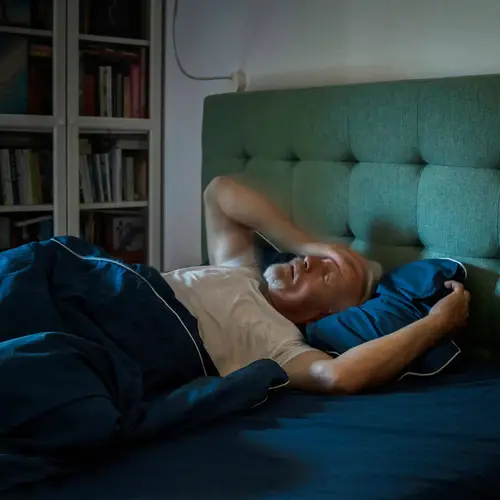
Menopause is a stage in women's life when their ovaries stop producing the hormones estrogen and progesterone and they stop menstruating. It is a normal part of aging and marks the end of a woman's reproductive years. Menopause typically occurs in a woman's late 40's to early 50's. It can also lead to sleep problems.
When the ovaries no longer produce adequate amounts of estrogen and progesterone (as in menopause), the loss of these hormones can bring about vasomotor symptoms (VMS), including hot flashes (a sudden feeling of warmth that spreads over the body) and night sweats.
Approximately 75%-85% of menopausal women experience hot flashes, which can last on average for five years. Hot flashes and night sweats can make it difficult to sleep. According to the National Sleep Foundation, approximately 61% of menopausal women have sleep problems. Sleeping difficulties can lead to other problems, such as daytime drowsiness.
How Can I Treat Sleep Problems Related to Menopause?
The traditional treatment for vasomotor symptoms related to menopause -- like hot flashes -- has been hormone replacement therapy (HRT). HRT consists of estrogen given as a pill, patch, or vaginal cream, either alone or combined with progesterone (for women who still have their uterus).
If HRT is not right for you, if your symptoms are not severe, or if you simply decide not to use HRT, medications originally used as antidepressants may help relieve hot flashes. These include low doses of fluoxetine (Prozac), paroxetine (Brisdelle, Paxil), venlafaxine (Effexor), and many others. In addition, bazedoxifene (Duavee) has been shown to increase sleep quality. And two other drugs -- the anti-seizure drug gabapentin and the blood pressure medication clonidine -- also may be effective for menopausal symptoms.
In addition to medication, the following tips might keep you cooler at night and help you sleep better without the use of hormones:
- Wear loose clothing to bed. Clothing made of natural fibers, like cotton, is usually best.
- Keep your bedroom cool and well-ventilated.
- Avoid certain foods that may cause sweating (such as spicy foods), especially right before bed.
Other practices that may ease sleep problems during menopause include:
- Maintain a regular bedtime schedule, including going to bed at the same time every night.
- Don’t watch television, eat, or read in bed. Do these activities in another room until you feel sleepy.
- Exercise regularly but not right before sleep.
- Avoid excessive caffeine, alcohol, and nicotine.
- Avoid naps during the day, which can prevent you from sleeping well at night.
- Talk to your doctor about prescription medications that can help you sleep.
- Make sure you empty your bladder before bed.
Can Alternative Treatments Treat Hot Flashes and Help Me Sleep?
Alternative treatments for treating vasomotor symptoms like hot flashes or for improving sleep have included soy products such as tofu and soybeans. Soy products contain a plant hormone called phytoestrogen that acts as a weak estrogen. In general, research has not shown significant hot flash reduction with soy products.
Black cohosh, a perennial plant that is a member of the buttercup family, has also been used to treat vasomotor symptoms of hot flashes and sweating. Despite some positive results, studies that have investigated the role of black cohosh in reducing these symptoms have been flawed.
Keep in mind that dietary supplements are not regulated or controlled by the FDA like medications. Talk to your doctor before you take any of these products.