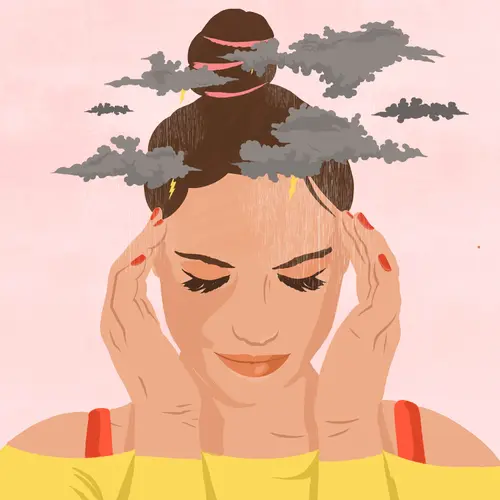
Migraines, Headaches, and Hormones
Certain types of headaches are linked to changing levels of the hormones estrogen and progesterone in your body.
Some people get menstrual migraines, which happen anywhere from 2 days before their period to 3 days after it starts. But periods aren’t the only trigger for hormonal headaches. Anything that leads to changes in levels of these hormones could cause headaches or make them worse.
How much hormone levels shift, not the change itself, determines how serious these headaches are.
What Are Hormonal Headaches?
Hormonal headaches are headaches, usually migraines, that are caused or worsened by changing levels of estrogen and progesterone. These hormones are involved in controlling menstrual cycles and pregnancy. But they also affect chemicals in your brain that affect pain sensations.
Among the causes of hormonal headaches are pregnancy, menopause, certain medications, and your period.
What are menstrual migraines? Migraine headaches that hit just before or during your period are a type of hormonal headache called menstrual migraines. You get them because levels of estrogen, as well as progesterone, drop just before your period begins.
Who Gets Hormonal Headaches?
Hormonal headaches are tied to higher levels of female hormones. Before puberty, boys get more headaches than girls, according to research focused on cisgender people (those who identify as the gender they were assigned at birth). After puberty, females are more likely to get headaches. This difference lasts until after menopause.
Women are about 3 times more likely than men to have migraine. About 60% say there’s a connection between their migraine headaches and their periods.
One small study found that men who got migraine headaches had higher levels of an estrogen called estradiol than men who didn’t have migraine.
Anyone who takes certain hormone medications, such as birth control pills or hormone replacement therapy, can get a hormonal headache.
Hormonal Headache Causes
In addition to your menstrual cycle, these things can cause hormonal headaches:
Birth control: Some hormonal forms of birth control, including the pill, make headaches worse for some people and lessen them for others. Three weeks out of every month, they keep the hormones in your body steady. When you take placebo pills or no pills at all during the week of your period, your estrogen levels plummet and your head can pound.
Perimenopause: In the years before menopause, estrogen levels go on a roller-coaster ride. You may have both tension headaches, which result from stress, and migraines during this time. Once you’re in menopause (you stop having periods for good), you’ll probably have fewer migraines. But tension headaches often get worse.
Hormone replacement therapy: The type of medicine some people take during menopause to control their hormones, or as part of gender-affirming care, can also set off headaches.
Oophorectomy: This is surgery to remove your ovaries, sometimes done along with a hysterectomy or with gender-affirming therapy. Removing the ovaries causes a drop in estrogen levels right away, which may lead to headaches.
Pregnancy: During the first trimester, estrogen levels rise quickly, then level out. Because of this, you may notice your migraines get better or go away after your third month of pregnancy.
After childbirth: Once you give birth, your estrogen levels drop. This can trigger headaches. So can the sleep disruptions and stress that come with caring for a newborn.
Hormonal Headache Symptoms
A hormonal migraine is much like any other type of migraine. You may notice:
- Aura before the headache (not everyone gets this)
- Throbbing pain on one side of your head
- Appetite loss
- Sensitivity to light, sound, and smells
- Chills
- Sweating
- Pale skin
- Sore or sensitive scalp
- Belly pain
- Blurry vision
- Dizziness
- Head pain
- Peeing less
- Lack of coordination
- Bigger appetite
- Cravings for chocolate, salt, or alcohol
How Are Hormonal Headaches Diagnosed?
To figure out what’s causing your headaches, your doctor will ask you about your symptoms, as well as when and how often you get them. They may do a physical exam and other tests to rule out other conditions that could cause your symptoms.
No test can diagnose migraine, and it can be hard to figure out exactly what causes any type of headache. Often, migraines and other headaches are caused by a combination of things, such as hormones, stress, and sleep loss, among other triggers.
Keeping a headache diary might help you figure out whether hormones contribute to your headaches. You can track your symptoms, menstrual cycles, mood, and more. A pattern may emerge that gives you clues about whether your headaches are hormone-related.
Hormonal Headache and Menstrual Migraine Treatment
Treatment for your headaches will depend on how serious they are, as well as your general health.
Hormonal headache treatments. An over-the-counter nonsteroidal anti-inflammatory drug (NSAID) like ibuprofen or naproxen may be enough to stop either a PMS headache or a hormonal migraine. Your doctor can prescribe stronger NSAIDs. Many treat period cramps as well as headaches.
If you’re on hormonal birth control and prone to migraine headaches, switching to birth control that contains low amounts of estrogen or only progestin may help.
If you’re having pregnancy-related headaches, talk to your doctor before you take any drugs. Many migraine medicines are bad for your baby. An over-the-counter pain reliever like acetaminophen should be safe, but ask your doctor first.
Many headache medications are safe while you’re nursing, including acetaminophen, ibuprofen, naproxen, and sumatriptan. But always check with your doctor before you take one.
If you think hormone therapy is making your headaches worse, your doctor may lower the dose, advise you to stop taking it, or change to a different type. An estrogen patch or vaginal ring may be a better option than pills. It keeps your estrogen level steady, so a migraine is less likely.
If you’re having surgery to remove your ovaries, your doctor can prescribe an estradiol patch to keep estrogen levels stable and prevent migraines. Or you could take a preventive migraine medication.
Menstrual migraine treatment. Your doctor may recommend the same therapies to treat menstrual migraines as for other types of migraines.
Abortive Migraine Medications
For menstrual migraine, they include those generally classified as “rescue” medications (they stop headaches after they start), like:
- NSAIDs, the most common treatment for menstrual migraines. You can also take these short-term to help prevent menstrual migraines. Start taking them 2-3 days before you get your period, and keep taking them until it ends.
- Triptans or ditans, which start to work as soon as 2 hours after you take them. You may take both an NSAID and a triptan. If your periods are regular, you can also use triptans or ditans to prevent migraines. Start taking them a few days before your period, and continue for up to a week.
- Ergotamine or dihydroergotamine drugs
Preventive Medication For Migraine
“Preventive” migraine medications keep headaches from starting. You generally take these every day. Your doctor may recommend increasing the dose around the time of your period. They include:
- Beta-blocker drugs
- Anticonvulsant drugs
- Calcium channel blockers
- Some antidepressants
Certain birth control pills, estrogen patches, or vaginal rings may reduce how many menstrual migraines you have or make them less serious. But they don’t work for everyone. In some cases, they could make migraines worse.
Your doctor might tell you to stay on birth control for 3 to 6 months without taking any placebo pills. This will prevent you from having a period and may stop your headaches.
If you get migraines with auras, using birth control that contains estrogen and progesterone isn’t a safe option. It could make you more likely to have a stroke. Other reasons your doctor may not want you to take birth control for menstrual migraines:
- A history of smoking
- High blood pressure
If nothing else works for your menstrual migraines, your doctor may prescribe a drug called leuprolide acetate (Eligard, Lupron Depot). It drops the estrogen levels in your body, but it has side effects. Because of this, it’s often thought of as a last resort.
Migraine Devices
Nerve stimulation devices may also help prevent or treat hormonal migraines. FDA-approved devices include:
- Cefaly, a headband that sends electrical pulses through your forehead to stimulate a nerve linked with migraines
- SpringTMS, a magnet that uses split-second pulses to interrupt the electrical activity migraine brings
- GammaCore, a handheld device that sends mild electrical pulses to stop migraine pain
- Nerivio, which is controlled through a phone app and sends weak electrical pulses to keep head pain from developing
Home Remedies and Alternative Treatments
Talk to your doctor about these options, especially supplements, which can affect the way other medications work:
- Acupuncture. This ancient Chinese practice, which involves inserting needles along energy points in your body, may lead to fewer tension headaches and could help prevent migraines.
- Biofeedback. Biofeedback may improve headaches by helping you monitor how your body responds to stress. It might help with both tension headaches and migraines. Doctors aren’t exactly sure why.
- Butterbur. An extract made from the rhizome or underground stem of this plant may lead to fewer, less serious migraines. Side effects may include belching and other mild tummy troubles. Choose supplements free from pyrrolizidine alkaloids, which can cause liver damage and cancer.
- Coenzyme Q10. This antioxidant, available as a supplement, may help prevent headaches.
- Feverfew. This herb may prevent migraines, but supplements can cause aches, pains, and mouth sores.
- Ice. Hold a cold cloth or an ice pack to the painful area on your head or neck. Wrap the ice pack in a towel to protect your skin.
- Limit salt. Eating too many salty foods could also lead to headaches. It’s wise to limit the amount of salt you eat around the time of your period.
- Massage. There’s some evidence that shows it can help ease migraines, but again, doctors aren’t exactly sure how it works.
- Magnesium. Low levels of this mineral can lead to headaches. Supplements may help. But they can give you diarrhea.
- Relaxation techniques. These include progressive muscle relaxation, guided imagery, and breathing exercises. They can’t hurt, and some experts say they help with headaches. But there isn’t a lot of solid evidence.
- Riboflavin. Also known as B2, this vitamin might help prevent migraines. It could also turn your pee an intense yellow.
How to Make Period Headaches Go Away
Aside from preventive medications, certain healthy lifestyle changes may help keep hormonal headaches at bay. Aim for:
- A consistent sleep schedule, in which you go to bed and get up about the same time every day
- Regular exercise (at least 30 minutes a day, three times a week)
- Good hydration habits, such as drinking 8 cups of water a day
- Eating at regular times through the day and not skipping meals
- Stress management, which could include relaxation techniques
- Avoiding dietary triggers like alcohol and chocolate
When to See a Doctor
If you have mild PMS headaches, you probably don’t need medical treatment. But if your hormonal headaches are very painful, frequent, or interfere with your life, it’s time to see a doctor.
If you’ve been living with hormonal migraines for a while, make an appointment with your doctor or a headache specialist if:
- Your migraine medication isn’t working.
- You’re getting headaches more often.
- Your migraine symptoms get worse.
- Something else changes about your headaches, like new symptoms or pain in a different location.
When to Get Emergency Help
Call 911 or go to the emergency room if you have a sudden, very serious headache, especially if you also have any of these symptoms:
- Trouble talking or understanding speech
- Confusion
- Sudden vision problems
- A hard time walking
- Numbness or weakness on one side of your body
- A stiff neck
- High fever
- Fainting
This type of headache could be a symptom of meningitis, encephalitis, or a stroke – all serious conditions that need medical attention right away.