1 of 11 / Overview
View All
What Is Multiple Sclerosis (MS)?
MS is a disease that can affect your brain and spinal cord, and can cause problems with vision, balance, muscle control.
Frequently Asked Questions About MS
We answer some of the most common questions about multiple sclerosis.
How MS Progresses
As you learn more about they type of MS you have, you'll have a clearer idea how it may affect you in the coming years.
Conditions That Look Like MS
Many other conditions have symptoms similar to those of MS. Your doctor will need to rule out these other conditions first.
2 of 11 / Types
View All
What Are the Different Types of MS?
There are a few types of MS. Knowing which type you have can help predict disease severity and how well treatment will work.
Relapsing-Remitting Multiple Sclerosis
Most people with multiple sclerosis (MS) have a type called relapsing-remitting MS (RRMS). It usually starts in your 20s or 30s.
Early Treatment for Relapsing-Remitting MS
One study shows that people who began treatment when their first symptoms started were 35% less likely to have a repeat attack.
Why You Should Track Your RRMS Symptoms
It's important to track your symptoms so you know when your MS progresses.
3 of 11 / Symptoms
View All
Multiple Sclerosis (MS) Symptoms & Early Warning Signs
How and when symptoms like vision trouble and numbness and tingling are commonly seen.
Multiple Sclerosis and Vision Problems
Vision problems are pretty common for people with MS. The symptoms usually come and go on their own.
Optic Neuritis: How MS Can Affect Your Vision
How MS cam affect the optic nerve and cause vision trouble.
What Is the Uhthoff Phenomenon?
Uhthoff’s phenomenon is most commonly a symptom of MS, though it can also coincide with other optic nerve disorders.
4 of 11 / Causes & Risks
View All
Possible Causes of Multiple Sclerosis
It's not known what causes MS. Many reasons could be at play, including your genes, where you live, and the air you breathe.
Your Genes and Multiple Sclerosis (MS)
In basic terms, scientists simply don’t know what causes multiple sclerosis, or MS. Your genes play at least some part.
Epstein-Barr Virus and MS: What’s the Link?
MS doesn’t have a cure, but strong evidence shows that viruses may trigger the process, especially Epstein-Barr virus.
MS and Diabetes: What to Know
MS and diabetes are connected because they share some of the same symptoms, and they might have some of the same causes.
5 of 11 / Tests & Diagnosis
View All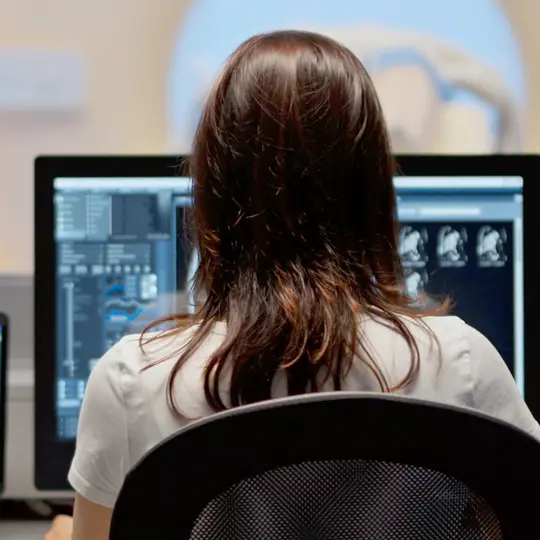
How Multiple Sclerosis Is Diagnosed
It can be a challenge for doctors to diagnose MS. There’s no single test that can prove you have it.
Diagnosing Multiple Sclerosis With MRI
MRI is a diagnostic test that detects changes in the brain related to MS.
The Spinal Tap and MS
Liquid taken from a spinal tap is a procedure that can indicate brain-related trouble from MS.
Evoked Potential Tests for MS
Evoked potential tests measure electrical activity in the brain caused by light, sound, and touch.
6 of 11 / Treatment
View AllTreatments for Multiple Sclerosis
Although there's not yet a cure for MS, there are many effective medications to help you manage the disease.
MS Medication Options
These are drugs that have been shown to slow the progression of MS.
Surgeries and Procedures for MS
If medication doesn’t work or has side effects you can’t tolerate, your doctor might suggest surgery or another procedure.
How Your MS Treatment May Change Over Time
As your multiple sclerosis progresses, your therapies may need to change along with it.
7 of 11 / Living With
View AllTips for Living With MS
A long-lasting condition like multiple sclerosis can affect your life in many ways.
Self-Care for MS Symptoms
There’s no at-home remedy for MS. But there are things you can do to feel better and ease your symptoms.
Colds and Flu When You Have MS
A cold or flu is no fun for anyone, but if you have multiple sclerosis (MS), it can mean extra trouble.
Can I Get Vaccines if I Have MS?
Years ago, people worried that some vaccines caused MS. Studies showed that this wasn’t true. Yet some shots may cause a relapse.
8 of 11 / Mobility & Assistive Devices
View AllAssistive Devices for MS
Assistive devices can make life with MS easier. They help with walking, dressing, and bathing, and help you use less energy.
Assistive Technology for MS
Many gadgets and technology solutions are on the market that can help people with MS keep independence in their homes.
Make Your Home Work for You When You Have MS
MS can change how well you move around and get things done. You may have to tweak how you do daily tasks to make them easier.
Home Safety When You Have MS
If your MS symptoms are making it hard for you to move around, it may be time to make a few changes to your home.
9 of 11 / Complications
View AllComplications From Multiple Sclerosis
You can develop complications along with your multiple sclerosis. They can range from mild to severe.
Conditions You May Have Along With MS
With MS, you're more likely to have certain other medical conditions, such as depression, high blood pressure, and lung disease.
How MS Affects the Brain
Over time, about half of people with MS can have cognitive problems. That means poor focus, slowed thinking, or fuzzy memory.
How MS Affects the Cerebellum
Commonly, MS can affect a part of your brain called the cerebellum. Damage here can leave you with a wide range of symptoms.
10 of 11 / Caregiving & Support
View AllMultiple Sclerosis Resources
Here are a variety of resources available to help you and your family meet the challenges of MS.
How to Get Help for Multiple Sclerosis
MS is a disease that can get worse over time. As your symptoms grow more severe, you may need a hand to manage your condition.
Assisted Living for MS Patients
Here are questions to ask and things to look for when considering an assisted living community.
Hospice and End-of-Life Care for MS
You may reach a point where your MS is too severe and the complications too numerous to keep up a good quality of life.
11 of 11 / Appointment Prep
View AllSuggested Reads about Multiple Sclerosis
Blood Test Could Determine MS Path, Treatment
MS has three distinct subtypes, each based on different blood-based "immune signatures," which may help predict disease course and lead to more personalized treatment decisions.
MS and Mental Health: How I Manage
Living with MS is a challenge that can impact your mental health. Here is one MS veteran’s journey with MS and wellness
Complementary Therapies I Utilize for My MS
Complementary therapies can help people with MS manage their symptoms. From working out to cannabis, here are a few things that help this MS veteran
Mental Health and Multiple Sclerosis
Your mental health and multiple sclerosis (MS) are most likely interconnected. Learn how the condition changes your brain.
Popular Topics in Multiple Sclerosis
8 million+ Physician Ratings & Reviews
Find Doctors and Dentists Near You
You can also search by physician, practice, or hospital name