With proper care, your teeth and gums can stay healthy throughout your life. The healthier your teeth and gums are, the less risk you have for tooth decay and gum disease.
How Should I Care for My Teeth and Gums?
There are five basic steps to caring for teeth and gums:
- Brushing
- Flossing
- Rinsing
- Eating right
- Visiting the dentist
Tips for Brushing Teeth
Brush at least twice a day. If you can, brush after every meal. Ideally wait 30 minutes after eating; this will allow any enamel that softened from acid during eating to re-harden and not get brushed away. Brushing removes plaque, a film of bacteria that clings to teeth. When bacteria in plaque come into contact with food, they produce acids. These acids lead to cavities. To brush:
- Place a pea-sized dab of fluoride toothpaste on the head of the toothbrush. (Use a soft toothbrush.)
- Place the toothbrush against the teeth at a 45-degree angle up to the gum line.
- Move the brush across the teeth using a small circular motion. Continue with this motion cleaning one tooth at a time. Keep the tips of the bristles against the gum line. Avoid pressing so hard that the bristles lie flat against the teeth. (Only the tips of the toothbrush clean the teeth.) Let the bristles reach into spaces between teeth.
- Brush across the top of the chewing surfaces of the teeth. Make sure the bristles get into the grooves and crevices.
- Use the same small circular motion to clean the backside of the upper and lower teeth – the side that faces the tongue.
- To clean the inside of the bottom front teeth, angle the head in an up-and-down position toward the bottom inside of the mouth and move the toothbrush in a small circle.
- For the inside of the top front teeth, angle the brush in an up-and-down position with the tip of the head pointing toward the roof of the mouth. Move the toothbrush in a small circle.
- Give your tongue a few gentle brush strokes, brushing from the back of your tongue forward. Do not scrub. This helps remove bacteria and freshens your breath.
- After brushing your teeth for 2 to 3 minutes, rinse your mouth with water.
- Replace your toothbrush with a new one every 3 to 4 months.
You can wear down your enamel if you brush too fast and hard. Hold a brush with a soft bristle at about a 45-degree angle to your gums. Then move it back and forth in short, gentle strokes, about the distance of one tooth.
Wait for up to an hour after eating sweets or citrus fruits before you brush your teeth. Acidic foods can soften enamel and may make it easier for you to damage it.
Tips for Flossing Your Teeth
Floss teeth at least once a day. Flossing gets rid of food and plaque between the teeth, where your toothbrush cannot reach. If plaque stays between teeth, it can harden into tartar, which must be removed by a dentist or hygienist. To floss:
- Remove about an 18-inch strip of floss from the dispenser.
- Wind the floss around the middle fingers of each hand, leaving a 1-inch section open for flossing. Floss the top teeth first, then the bottom.
- Place the floss in your mouth and use your index fingers to push the floss between the teeth. Be careful not to push too hard and injure the gums.
- Move the floss up and down against the tooth and up and around the gum line. The floss should form a C-shape around the tooth as you floss.
- Floss between each tooth as well as behind the back teeth.
- Use a clean section of floss as needed, and take up used floss by winding it around the fingers.
Tips for Rinsing Your Mouth
Mouthwashes do more than just freshen your breath. Rinse with an antiseptic mouthwash at least once a day to kill bacteria that cause plaque and early gum disease. A fluoride rinse can help prevent tooth decay and cavities. Some rinses can do both.
- It doesn't matter if you rinse before or after you brush.
- Swish the mouthwash in your mouth for 30 to 60 seconds.
Eating Right for Dental Health
For good dental health, eat a variety of foods, but minimize those that contain sugars and starches. These foods produce the most acids in the mouth, and the longer they stay in the mouth, the more they can damage the teeth. Hard "sucking candies" are especially harmful because they stay in the mouth a long time.
Snacking on sugary foods can lead to tooth decay, because most people don't brush after snacks. Starchy snack foods, like potato chips, stick to the teeth. Avoid snacking on:
- Candies, cookies, cakes, and pie
- Sugary gum
- Crackers, breadsticks, and chips
- Dried fruits and raisins
Calcium in food counters acids in your mouth that cause decay. It also helps keep your bones and teeth strong.
Milk, cheese, and other dairy products help protect and strengthen enamel. Choose low-fat or fat-free items to help keep calories down.
If you don't eat dairy, look for foods with calcium added.
Visit Your Dentist Regularly
Visit your dentist at least once every 6 months. To keep your teeth and gums healthy, it's important to have regular check-ups and professional cleanings. You should also see your dentist if you have pain in your teeth, pain in your mouth, or bleeding, swollen gums.
You can also ask your dentist about dental sealants. A sealant is a material used to coat the top, chewing surfaces of the teeth. This coating protects the tooth from decay and usually lasts a long time, but can only be placed on a tooth without decay. It is usually placed on children’s teeth as they get their permanent teeth.
If you have severe heartburn, stomach acids may escape and eventually reach your mouth, where they can erode (damage) enamel. The eating disorder bulimia, in which people vomit food after they eat, is another threat to your enamel. If you have either condition, talk to your doctor about treatment.
Beware of Chlorinated Pools
When swimming pools aren't chlorinated properly, the water may become too acidic. When that happens, the water can damage teeth that get wet.
Check with the recreation center or gym where you swim to make sure the pool's chlorine levels are checked regularly. While swimming, keep your mouth closed so your teeth don’t get wet.
Watch Out for Dry Mouth
Saliva helps wash away food and bacteria that can lead to cavities. It also fights the effects of acidic foods. Drink water often to keep your mouth clean and moist.
If you exercise hard, be sure to rehydrate during and after your workout. Chewing sugarless gum or sucking on sugarless hard candy can also help keep saliva flowing in your mouth.
Some medical conditions and medications can cause dry mouth. Talk to your doctor about treatments.
Avoid Grinding Your Teeth
Some people grind their upper and lower teeth together, especially at night. Over time, it can wear down the enamel.
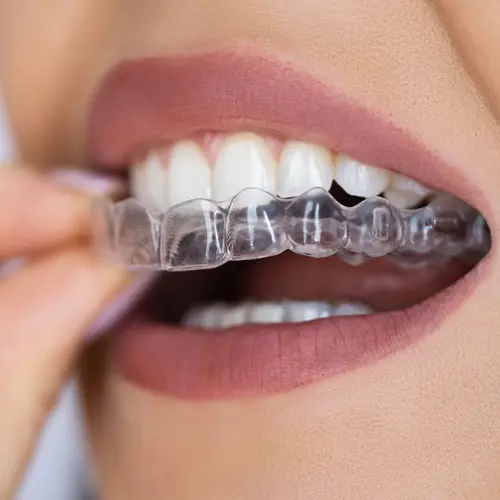
Talk to your dentist if you've got the grinding habit. They may suggest a custom-fitted mouth guard that can protect your teeth.