1 of 10 / Overview
View All
What Is Prostate Cancer?
Prostate cancer usually grows very slowly, often causing no symptoms until it is in an advanced stage.
Prostate Cancer Survival Rates: What They Mean
Prostate cancer is the most common cancer in men. It has one of the highest survival rates of any type of cancer.
Prostate Cancer in Younger Men
Prostate cancer is more common in older men than younger men. But more often, younger men are being diagnosed with it.
Prostate Cancer in Black Men
Black men are half as likely to die of prostate cancer today as they were a few decades ago.
2 of 10 / Causes & Risks
View All
What Causes Prostate Cancer?
Doctors can't say with certainty what causes prostate cancer, but experts generally agree that diet contributes to the risk.
Social Determinants of Health: Prostate Cancer Risk
Social determinants of health refer to the conditions in places where you live, work, go to school, and spend free time.
Can Sex, Masturbation Affect Prostate Cancer Risk?
Over the years, there’s been growing evidence of a link between ejaculation and lower chances of prostate cancer.
Prostate Cancer and Your Weight
Experts aren’t sure why, but there seems to be a link between your weight and prostate cancer.
3 of 10 / Symptoms, Stages & Types
View All
Prostate Cancer Symptoms
You can have prostate cancer for years and not know it. That’s why regular prostate cancer screenings are so important.
BPH vs. Prostate Cancer: What’s the Difference?
Benign prostatic hyperplasia (BPH) and prostate cancer are two of the most common conditions that affect the prostate.
Prostatitis vs. Prostate Cancer
Prostatitis is a benign condition, while prostate cancer is malignant. Some symptoms overlap between the two conditions.
When to Seek Medical Care
Who should undergo regular screening for prostate cancer? And when?
4 of 10 / Tests & Diagnosis
View All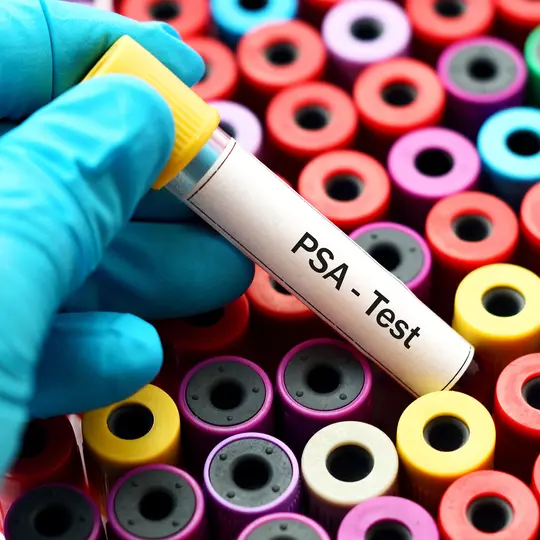
Diagnosing Prostate Cancer
Two initial tests are commonly used to look for prostate cancer in the absence of any symptoms.
Digital Rectal Exam for Prostate Problems
Doctors use the digital rectal exam (DRE) as a relatively simple test to check the prostate.
Prostate-Specific Antigen (PSA) Blood Test
High PSA levels may be a sign of prostate cancer, a noncancerous condition such as prostatitis, or an enlarged prostate gland.
Transrectal Prostate Ultrasound and Biopsy
Prostate ultrasound and biopsy are tests that check the abnormal results of a digital rectal exam or an elevated PSA test.
5 of 10 / Your Prostate Cancer Care Team
View All
Prostate Cancer: After Your Diagnosis, What Comes Next?
When you’re diagnosed with prostate cancer, you might wind up with one looming thought: What do I do now?
Prostate Cancer Specialists
The treatment of prostate cancer often requires the expertise of many medical specialists.
What Is a Urologic Oncologist?
Urologic oncologists specialize in cancers of the male and female urinary systems and the male reproductive organs.
Prostate Cancer: Make the Most of Doctor Appointments
A visit to the doctor can be intimidating. Ease stress and worry by taking steps to ensure you get the information you need.
6 of 10 / Treatment
View AllProstate Cancer Treatment Options
There’s no one prostate cancer treatment that’s right for every man, but there are plenty of options.
Prostate Cancer: When Treatment Can Wait
Active surveillance, or watchful waiting, is when doctors keep an eye on the cancer so they can take action if it gets worse.
Treatment for Early-Stage Prostate Cancer
Doctors usually recommend three main types of treatment for prostate cancer in its early stages.
Treatments by Stage
Once your doctor determines the stage of your prostate cancer, they can start mapping out a treatment plan.
7 of 10 / Remission & Recurrence
View AllCan You Keep Prostate Cancer From Coming Back?
After prostate cancer treatment, you may wonder if your cancer will come back and what you can do to keep it from returning.
If Prostate Cancer Comes Back
A recurrence means that the prostate cancer has not been cured by the initial treatment.
Treating Recurrent Prostate Cancer
A prostate cancer recurrence is often treatable. It may even be curable.
Second Cancers After Prostate Cancer
There’s a chance you could get a different cancer unrelated to your prostate cancer. That's called a second cancer.
8 of 10 / Living With
View AllLiving Your Best With Prostate Cancer
Life goes on after a prostate cancer diagnosis, and often for a long time. Here's how you can live well even with the disease.
A Healthy Sex Life After Prostate Cancer
Most men will face some issues in the bedroom after prostate cancer treatment. These problems are often temporary or treatable.
9 of 10 / Support & Resources
View AllProstate Cancer: Resources
Want to learn more about prostate cancer? These groups can help.
How Advanced Prostate Cancer Affects the Family
People with prostate cancer aren't the only ones affected by it. The disease also has an impact on those closest to them.
Palliative Care for Advanced Prostate Cancer
With advanced prostate cancer, you can turn to palliative care to manage your symptoms and get the emotional support you need.
10 of 10 / Appointment Prep
View AllSuggested Reads about Prostate Cancer
Are 'Man Vans' Coming to a Parking Lot Near You Soon?
"Game Changer Vehicles" – mobile medical units in a roving RV – are helping to bring cancer screening to where it's needed.
How Long Should Active Surveillance of Prostate Cancer Last?
Ending active surveillance for men with low-risk prostate cancer may never be appropriate, according to a new study that saw progression and need for treatment in some patients followed-up for more than 15 years.
Prostate Cancer Tsunami Coming, Experts Caution
A scientific commission is predicting an 85% increase in deaths from the disease by 2040.
Improving Fitness May Lower Risk of Prostate Cancer
Improving cardiorespiratory fitness by 3% or more annually over three years reduced the chances of men developing prostate cancer by 35%.
Top Search Terms for Prostate Cancer
8 million+ Physician Ratings & Reviews
Find Doctors and Dentists Near You
You can also search by physician, practice, or hospital name