Foods and Drinks That Make You Gotta Go

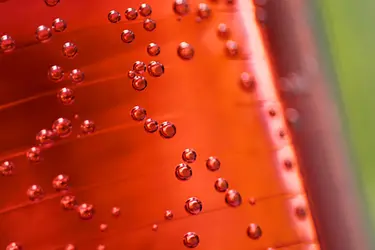
Watch Out for Bubbles and Fizz
Carbonated drinks of club soda, seltzer water, and other "sparkling" waters may irritate sensitive bladders. So if you have overactive bladder (OAB), also called urinary "urge incontinence," limit how much you take in. If your taste runs to Champagne or other sparkling wines, keep in mind that both the fizz and the alcohol could trigger problems.

Caffeine Can Make You Go Early and Often
Coffee, tea, energy drinks, and colas can all lead to more bathroom visits. Drinks that have it also contain acid, which can bother the bladder. Try decaf drinks, low-acid coffees, and non-citrus herbal teas

Choose White Chocolate Instead
Bad news: Chocolate has caffeine and acid. So eat less of it, and don’t snack on it late in the evening. You could try white chocolate instead, since it has little or no caffeine.

Citrus Might Be Your Bladder’s Pet Peeve
Oranges, grapefruits, clementines, lemons, and limes are all acidic and can make it harder to control the urge to pee, whether you eat them or drink their juice. If you think a certain food might be setting off your symptoms, stop eating it for a while, then slowly add small amounts back in to your diet to see if things change.

Be Aware of Acidic Fruits
You may find that pineapple isn't your friend either. That's because -- you guessed it -- it’s acidic, just like citrus. If you're looking to add a tropical perk to a dish, use shredded coconut instead.

Too Many Tomatoes Can Trigger The Urge
This acidic food can bother your bladder and make OAB symptoms worse. You may have to cut back on tomato-based foods like spaghetti sauce, chili, and ketchup, too.

Cranberries: Friend and Foe to the Bladder
They help some people avoid getting bladder and urinary tract infections. But because they’re acidic, these berries and juices made from them could spell trouble if you have OAB. Another perk of eating less acidic foods? It may help tame heartburn

Less Alcohol Equals More Control
Beer, wine, liquor -- alcohol in any form makes you need to pee more. It also interferes with brain signals to the bladder about when to go. So limit how much you drink, or stop drinking if you have sensitivity.

Know Your Spice Limits
Four-alarm chili. Fiery salsa. Wasabi. Hot eats like these may do more than tingle your taste buds or make your eyes water. You can dial down the spiciness without making your diet bland, though. Just test out how much heat you can handle without affecting your bathroom habits. It may take some trial and error. Everyone’s tolerance is different.

Curb Your Sweets
Artificial sweeteners, sugar, and honey may set off your symptoms. Take a break from them and see what happens.

Avoid Raw Onions
Cook them to make them easier on your system. You could also switch to the milder, onion-like shallot, too.

Choose Carefully From the Fruit Basket
It’s not just citrus fruits that can trigger the need to pee. Other fruits like apples, bananas, and grapes could be to blame, too. If you think a certain food has caused you extra trips to the bathroom, try a little test. Stop eating it for a while, then start again in small amounts to see if the symptoms return.

Skip the Rich and Creamy on the Cheese Platter
Some people find that these treats make OAB symptoms worse, especially aged cheeses and sour cream. If your bladder can't handle the real things, switch to processed, non-aged cheese.

Good for Digestion, but Can Bug OAB
If you're taking medication for OAB, prunes can help you manage the constipation that may go along with it. But these sweet, dried fruits can bug your bladder. One way to help handle constipation is to get more fiber. So eat plenty of fiber-rich produce, like peas and carrots.

Go Light on Condiments
Soy sauce, vinegar, ketchup, mayonnaise... lots of condiments contain acids or other problem ingredients. Give your meals zing with bladder-friendly spices like rosemary, dill, thyme, and garlic instead.
.

Ditch Processed Foods for a Home-Cooked Meal
Artificial flavors, preservatives, and additives like MSG and benzyl alcohol may irritate the bladder. Read nutrition labels carefully to avoid them. Another good way to control what's in your food is to cook at home more often. Use fruits, vegetables, and whole grains that you know won’t bother you.

Do Some Detective Work
Let's say you have coffee and an orange with breakfast, a soda with lunch, a chocolate bar as a mid-afternoon snack, and spicy Thai food with a nice glass of wine for dinner. That may sound yummy, but any of those things might affect your bladder. Ask your doctor if it would help to take a break from certain foods and add them back one at a time to see if it makes a difference.