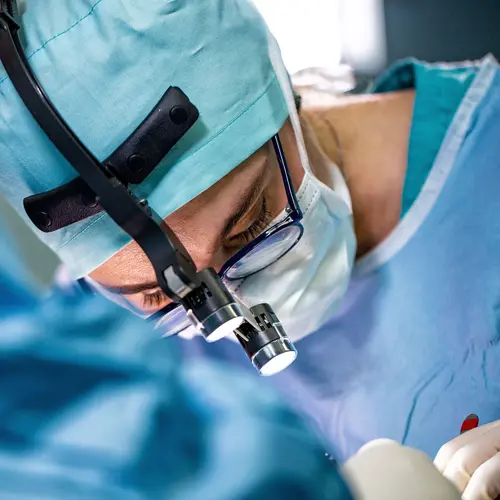
What Is Bypass Surgery?
Heart bypass surgery is when a surgeon takes a blood vessel from another part of your body to go around, or bypass, a blocked artery. The result is that more blood and oxygen can flow to your heart again.
Imagine you’re on a highway. An accident causes traffic to pile up ahead. Emergency crews redirect cars around the congestion. Finally, you’re able to get back on the highway and the route is clear. Heart bypass surgery is similar.
It can help lower your risk for a heart attack and other problems. Once you recover, you’ll feel better and be able to get back to your regular activities.
Bypass surgery is also known as coronary artery bypass grafting (CABG, pronounced "cabbage"), coronary artery bypass surgery, and coronary artery bypass graft surgery. It’s the most common type of open-heart surgery in the U.S., with nearly 400,000 procedures done every year. Most people have great results and live symptom-free for a decade or more.
You’ll still need a healthy diet, exercise, and probably medicine to prevent another blockage. But first, you’ll want to know what to expect from the surgery, how to prepare, what complications can happen, and what the recovery is like.
Types of Bypass Surgery
There are several different kinds of bypass procedures. Your surgeon will recommend the best operation for you.
Traditional. This is the procedure used most often. Your chest is cut open and your heart is stopped, with a machine circulating your blood during the surgery.
Off-pump. Your chest is still open, but your heart is left beating. The area being worked on is kept still by special equipment.
Minimally invasive. This is also called a keyhole procedure. In this, the surgeon makes small cuts between your ribs to get access to your heart. They'll use cameras to guide the instruments, or it may be done robotically.
Your surgery will also be described by how many of your coronary arteries are blocked:
- Single bypass. One artery is blocked.
- Double bypass. Two arteries are blocked.
- Triple bypass. Three arteries are blocked.
- Quadruple bypass. Four arteries are blocked.
- Quintuple bypass. Five arteries are blocked.
Reasons for Heart Bypass Surgery
Bypass surgery treats symptoms of coronary artery disease. That happens when a waxy substance called plaque builds up inside the arteries in your heart and blocks blood and oxygen from reaching it.
Your doctor may suggest heart bypass surgery if:
- You have chest pain (angina) that your doctor thinks happens because several of the arteries that supply blood to your heart are blocked.
- At least one of your coronary arteries is diseased, causing your left ventricle (the chamber that does most of your heart's blood pumping) to not work as well as it should.
- There's a blockage in your left main coronary artery, which gives your left ventricle most of its blood.
- You've had other procedures, and either they haven't worked or your artery is narrow again.
- You have new blockages.
Coronary artery disease can lead to a heart attack. It can cause a blood clot to form and cut off blood flow. You may have bypass surgery as an emergency procedure if you've had a heart attack and other treatments aren't working, or if you have certain complications.
Preparing for Bypass Surgery
Before your surgery, you’ll get lab and imaging tests to check your overall health and to see which arteries are blocked. You may have:
- Chest X-ray.
- Electrocardiogram (EKG). A machine records your heart's electrical activity.
- Echocardiogram. Sound waves create a moving picture of your heart to show its size and shape.
- Exercise stress test. Your doctor records your heart activity, blood pressure, and other physical data while you raise your heart rate by walking on a treadmill or using a stationary bike.
- Nuclear cardiac stress test. You may have special pictures taken of your heart after taking a stress test. Radioactive material is injected into your vein that helps show how well blood is flowing in your heart and whether parts of the heart muscle are damaged. The pictures will be compared to another set taken when your heart is at rest.
- Cardiac catheterization. A surgeon inserts a thin tube into a blood vessel and threads it through to your heart, where they inject a special dye. Then they make an image called an angiogram that shows how your blood is moving and where there are blockages.
- CT scan. Another way to get a look at how your blood is flowing is using a computer that turns X-rays of your heart into a 3D picture.
- Coronary calcium scan. This is another kind of CT scan that measures the amount of calcium in the walls of your coronary arteries, which is an indication of disease.
- Blood tests. Your doctor will check your levels of white and red blood cells, cholesterol, blood sugar, and other things.
- Urine test. This shows how well your kidneys are working.
Your doctor will also let you know if you need to make any changes to your diet, lifestyle, or medications before the surgery. Also, tell your doctor about any vitamins and supplements you take, even if they are natural, in case they could affect your risk of bleeding.
You’ll also need to make plans for recovery after your surgery.
Heart Bypass Surgery Procedure
The most common kind of bypass surgery is the traditional method. For this procedure, you’ll be asleep the whole time. Most operations take 3-6 hours.
A breathing tube goes into your mouth. It's attached to a ventilator, which will breathe for you during the procedure and right afterward. The surgical team will put a thin tube called a catheter into your bladder to collect urine. A needle with a tube attached called an IV line is placed in your vein to give you fluids and medications.
A surgeon makes a long cut down the middle of your chest. Then, they'll spread your rib cage open so that they can reach your heart.
Your surgical team will use medication to temporarily stop your heart. A machine called a heart-lung machine will keep blood and oxygen flowing through your body while your heart isn't beating.
Next, the surgeon will remove a blood vessel, called a graft, from another part of your body, like your chest, leg, or arm. They'll attach one end of it to your aorta, a large artery that comes out of your heart. Then, they'll attach the other end to an artery below the blockage.
The graft creates a new route for blood to travel to your heart. If you have multiple blockages, your surgeon may do more bypass procedures during the same surgery.
What Happens After Heart Bypass Surgery?
You’ll wake up in an intensive care unit (ICU). The breathing tube will still be in your mouth. You won’t be able to talk, and you'll feel uncomfortable. Nurses will be there to help you. They’ll remove the tube after a few hours when you can breathe on your own.
The catheter in your bladder will come out when you’re able to get up and use the bathroom on your own.
Once you’re able to eat and drink on your own and no longer need IV medications, the IV line will also come out.
Fluids will build up around your heart after the procedure, so your doctor will put tubes into your chest. They’ll be there for 1-3 days after surgery to allow the fluid to drain.
You may feel soreness in your chest. You’ll have the most discomfort in the first 2-3 days after the procedure. You'll probably get pain medicines for that.
You’ll also be hooked up to machines that keep track of your vital signs, such as your heart rate and blood pressure, around the clock.
You should be able to start walking 1-2 days after surgery. You’ll stay in the ICU for a few days before you're moved to a hospital room. You’ll stay there for 3-5 days before you go home.
Heart Bypass Surgery Recovery
It’s a gradual process. You may feel worse right after surgery than you did before. You might not be hungry and even be constipated for a few weeks after the surgery. You could have trouble sleeping while you’re in the hospital. If the surgeon takes out a piece of a healthy vein from your leg, you may have some swelling there. This is normal.
Recovery takes time, but you’ll feel better each day. It may take up to 3 months for your body to completely recover from bypass surgery.
You’ll visit your doctor several times during the first few months to track your progress. Call them if your symptoms don’t improve or you’re feeling worse. You may need to be seen right away if you have:
- Breathing problems
- Chest pain
- Dizziness or fainting
- Fast heart rate
- Fever
- Issues with your chest incision, including bleeding or discharge, new or worse pain, or discolored skin
- Nausea or vomiting
- Numbness in your arms or legs
- Slow or slurred speech
- Swelling in your legs
- Weakness on one side of your body
Talk with your doctor about the best time to return to your normal day-to-day activities. What's right for you will depend on a few things, including:
- Your overall health
- How many bypasses you've had
- Which types of activity you try
You'll need to ease back in. Some common plans include:
Driving. Usually, it's advised to wait 4-6 weeks after surgery. You need to make sure your concentration is back before you get behind the wheel.
Housework. Take it slow. Start with the simple things you like to do and have your family help with the heavy stuff for a bit while you recover.
Sex. In most cases, you should be physically good to go in about 3 weeks. But you may lose interest in sex for a while after your surgery, so it could be as long as 3 months before you're ready to be intimate again.
Work. Apart from the physical requirements of your job, your concentration and confidence will have to come back. Most folks are able to resume light duty after about 6 weeks. You should be back to full strength after about 3 months.
Exercise. Your doctor may suggest something called cardiac rehabilitation. It's a customized, medically supervised exercise program. It also provides lifestyle education, which can include help with nutrition. Once the program is completed, you can work up to whatever fitness level you're comfortable with.
Bypass Surgery Risks
As with other surgeries, bypass surgery comes with potential problems. These include:
- Blood clots that can raise your chances of a stroke, a heart attack, or lung problems
- Fluid buildup around your heart
- Heart rhythm problems (arrhythmia)
- Heavy bleeding
- Kidney problems
- Infection at the incision
- Memory loss and trouble thinking clearly
- Nerve damage
- Pain
- Reactions to anesthesia
- Stroke
- Pneumonia
- Problems breathing
- Reduced blood flow from your heart
It's also possible that the graft might fail and have to be redone.
Many things affect these risks, including your age, how many bypasses you get, and any other medical conditions you have. You and your surgeon will discuss these before your operation.
Life After Bypass Surgery
Once you’ve recovered, your symptoms of angina will be gone or get much better. You’ll be able to be more active, and you’ll have a lower risk of getting a heart attack. Best of all, the surgery can add years to your life.
But bypass surgery isn't a cure for coronary artery disease. The same things that caused your arteries to become blocked in the first place can also clog the grafted arteries. You'll need to take steps to control medical conditions such as high blood pressure, high cholesterol, and diabetes, and change any habits that increase your heart disease risk.
There are several key elements to living well after a heart bypass.
Medications
Your doctor may prescribe medications to prevent complications and manage health conditions that can damage your arteries. This may include:
- ACE inhibitors to lower your blood pressure
- Antiplatelet drugs such as aspirin or blood thinners to lower the risk of blood clots
- Beta-blockers or calcium channel blockers to lower your blood pressure, reduce chest pain, and treat abnormal heart rhythm
- Diuretics to remove extra fluid from your body and lower your blood pressure
- Nitrates for chest pain
- Statins to lower cholesterol
You may need to take these for the rest of your life.
Cardiac rehab
Your hospital or medical center may offer cardiac rehabilitation to help you regain your strength, learn healthy lifestyle habits, and tend to your emotional health after bypass surgery. A program will typically involve several in-person group sessions each week for about 3 months, then you'll use what you've learned on your own. You'll work with a team of specialists, such as exercise physiologists, nutritionists, and counselors.
Lifestyle changes
You can make choices every day to protect your heart health for the long term:
Stop smoking. If you smoke, quitting is one of the most important things you can do to protect your heart and your overall health. Your doctor can help you choose a strategy that's best for you.
Get active. Experts recommend 30-60 minutes of moderate-intensity exercise, such as fast walking or swimming, most days. But after bypass surgery, you'll need to work up to that gradually. A cardiac rehab program can teach you different kinds of exercise and help you do them safely. Get your doctor's OK before you start, and remember that any activity is better than no activity.
Manage your weight. Ask your doctor what's a healthy weight for you. If you're overweight, losing weight can lower your blood pressure and blood sugar and improve your cholesterol levels.
Choose heart-healthy foods. Your doctor may recommend a specific eating plan, such as the DASH program that's been proven to lower blood pressure and "bad" cholesterol. But in general, heart-healthy eating contains these ingredients:
- More fruits and vegetables, including dark, leafy greens
- More beans and whole grains, including oatmeal and brown rice
- Lean protein, including fish and skinless chicken
- Unsaturated fat, from foods such as nuts, fish, and avocados
- Less saturated fat, from things such as meat, whole-milk dairy, and fried food
- Less sodium
- Less sugar
- Less alcohol
Lower your stress. Exercise, meditation, and relaxation techniques can protect your body from the harmful effects of stress. It may also help to identify what's causing you stress and make changes if you can. A therapist can help you find healthy ways to cope.
Get good sleep. Sleep is the time when your body repairs itself, including your heart tissue and blood vessels. Poor quality sleep can lead to heart disease and high blood pressure. Aim for 7-9 hours of sleep a night. If that's hard for you, try to:
- Keep your bedroom cool, dark, and quiet.
- Go to bed and get up at the same time every day.
- Find ways to wind down before bedtime, such as taking a warm bath.
- Avoid caffeine and alcohol.
- Shut off your electronics a couple of hours before bedtime.
Your doctor can treat you for sleep problems such as sleep apnea or insomnia.
Getting support
It's not unusual to feel anxiety and depression after having heart bypass surgery. Talk to your doctor about getting therapy or medication to help. Look for a support group where you can connect with others who understand what you're going through. You may need to make some big changes to the way you live, and that won't be easy. Explain to your family members how they can help you by supporting your healthy choices or even joining you.
Alternatives to Bypass Surgery
Not everyone is a good candidate for bypass surgery. Your age or other health conditions may make it too risky. In that case, your doctor may try a different strategy.
Angioplasty. This is also called percutaneous coronary intervention (PCI). A surgeon threads a deflated balloon attached to a special tube up to your coronary arteries. Once it's there, they inflate the balloon to widen your blocked areas. Most times, it happens in combination with the installation of something called a stent, a wire mesh tube that props your artery open.
There's also a version of angioplasty that uses a laser, instead of a balloon, to eliminate the plaque that clogs your arteries.
Minimally invasive heart surgery. This is a form of bypass surgery that may be less risky for you than the traditional open-chest method. Your surgeon puts instruments through small incisions in your chest and uses a video monitor as a guide to do the work. Unlike traditional surgery, your heart is still beating during this procedure.
Medication. Your doctor may treat your coronary artery disease with medications such as blood thinners or anti-clotting drugs, drugs to lower cholesterol, and drugs to lower your blood pressure.
Takeaways
Heart bypass surgery is a procedure to improve blood flow to your heart when you have coronary artery disease. A surgeon takes a blood vessel from another part of your body to go around, or bypass, a blocked artery. Most people have improved symptoms for 10 years or more after the surgery. Medication and healthy lifestyle choices can help keep your arteries from becoming blocked again.
Bypass Surgery FAQs
How serious is heart bypass surgery?
Bypass surgery is a major operation. It's done to treat serious coronary artery disease where one or more arteries are blocked. You'll probably be in the hospital for about a week, and it takes as long as 3 months to recover completely.
What's the difference between open-heart surgery and bypass surgery?
In open-heart surgery, a surgeon opens your chest by cutting through your breastbone and spreading your ribs to get access to your heart. Traditional heart bypass is a type of open-heart surgery. The procedure is also used for other kinds of heart surgery, such as valve replacements or heart transplants.