A health treatment that is not classified as conventional Western medical practice is referred to as an "alternative" or "complementary" therapy, although a strict definition of complementary medicine suggests that it is taken along with conventional treatments. Alternative medicine, also called alternative therapy, encompasses a variety of disciplines that include everything from diet and exercise to mental conditioning and lifestyle changes. Examples of alternative therapies include acupuncture, guided imagery, yoga, hypnosis, biofeedback, aromatherapy, relaxation, herbal remedies, massage, and many others.
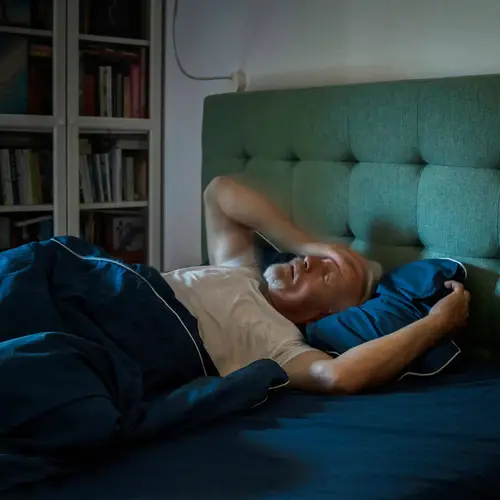
In the area of sleep disorders, some complementary and alternative therapies used include supplements, relaxation and meditation, acupuncture, and exercise.
Supplements for Sleep Disorders
Herbal Treatments
The effects of the root of valerian (Valeriana officinalis) have been examined in people with sleep disorders. Some studies have suggested that valerian helps with the onset of sleep and with sleep maintenance. However, more research is needed into valerian root's safety and effectiveness.
Chamomile and passionflower are other herbs commonly used in the treatment of insomnia. Although there has been no clinical investigation to support their use and long-term safety, there are considered mild sedatives that may help with sleep in the short term.
Other herbs promoted as effective sleep remedies include hops, ginseng, lemon balm, and skullcap. The German government has approved certain herbs (valerian, hops, and lemon balm) for the relief of sleep problems. However, clinical studies to evaluate the effectiveness and safety of herbs are scarce; in some cases, there is evidence of common, traditional use. More information is needed before these herbs can be recommended as a first line of treatment for insomnia.
Since herbal supplements can interact with certain medications, always tell your doctor if you are using any herbal supplements.
Melatonin
Melatonin is a hormone that is synthesized by the pineal gland in humans and produced in animals and in plants. Although the effects of melatonin are complex and poorly understood, it plays a critical role in the regulation of your sleeping and waking cycle and other circadian rhythms. Melatonin has been studied as a possible treatment of circadian rhythm disorders and may be helpful in reducing sleep disturbances caused by jet lag.
Adverse effects of melatonin are minimal, but more long-term studies examining the effectiveness and toxicity of melatonin supplements are needed.
Acupuncture for Sleep Disorders
Acupuncture is often used in traditional Chinese medicine for the treatment of insomnia and other sleep disorders. This procedure involves inserting very fine needles (sometimes in combination with a small electrical stimulus or with heat produced by burning specific herbs) into the skin at specific points in order to influence the functioning of the body. The results of some small preliminary clinical trials of acupuncture show promise in treating insomnia. However, additional research is needed.
Relaxation and Meditation for Sleep Disorders
Increased muscle tension and intrusive thoughts interfere with sleep. Therefore, it is not surprising that techniques aimed at relaxing muscles (progressive muscle relaxation and biofeedback) and quieting the mind (meditation) have been effective treatments for insomnia. Most people can learn these techniques, but it usually takes several weeks before they can master them well enough to help ease insomnia. There is a growing body of evidence that supports the value of meditation in treating insomnia. Several studies show that regular meditation, either alone or as a part of a yoga session, results in higher blood levels of melatonin, an important regulator of sleep.
Exercise for Sleep Disorders
Regular exercise deepens sleep in young adults -- whether or not they have trouble sleeping. In addition, several studies show that exercise can improve sleep in older people. Recent studies show that even low-to-moderate tai chi can improve the quality of sleep for older people, while Tibetan yoga exercises can help cancer patients with sleep problems. Although consistent exercise has been shown to improve sleep quality, most experts advise completing exercise at least three to four hours before bedtime to avoid interference with sleep.
Warnings About Alternative Therapies
Alternative therapies are not always benign; in particular, some herbal products can interact with other medications you may be taking. Consider the following points before starting alternative therapy:
- Always talk to your doctor before trying an alternative approach, and tell your doctor what alternative treatments you are using.
- If you experience side effects such as nausea, vomiting, rapid heartbeat, anxiety, diarrhea, or skin rashes, stop taking the herbal product and notify your doctor immediately.
- Beware of commercial claims made for herbal products. Look for scientific-based sources of information.
- Select brands carefully. Only buy brands that list the common and scientific name of the herb, the name and address of the manufacturer, a batch and lot number, expiration date, dosage guidelines, and potential side effects.