When you find out a partner has genital herpes, you may have questions about the condition, your own risk, and how it might affect your relationship. Here are answers.
How likely is it that I now have genital herpes, too?
That depends on several things, including whether you and your partner always use a condom and how long you've been sexually intimate with each other.
If you've had sex only once or twice, and if you used a condom each time, the risk is lower than if you've had unprotected sex for a long time. But you could have been infected during any one encounter.
Even if you've never seen herpes sores on your partner's genitals or your own, you still might have it. The symptoms of genital herpes are often subtle are easy to mistake for something else, like bug bites, pimples, razor burn, or hemorrhoids. Also, the virus can be contagious even when there are no symptoms.
How can I find out if I have genital herpes?
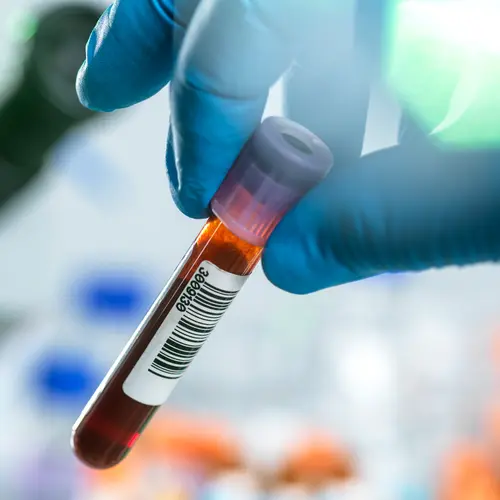
Go to your doctor and get tested. A doctor may take a sample from what appears to be a genital herpes sore and send it to a lab for testing.
You can also get a blood test. The blood test looks for antibodies to the virus that your immune system would have made if you were infected. The second type of herpes simplex virus, HSV-2, almost always infects the genitals, so if a test shows antibodies to HSV-2 in your blood, you probably have genital herpes. A blood test that shows antibodies to the other type of herpes virus, HSV-1, means you could have genital or oral herpes. That's because oral herpes, which is usually caused by HSV-1, can spread to the genitals during oral sex.
If I don’t have herpes, how can I protect myself when my partner and I have sex?
While no prevention method short of abstinence is 100% effective, using a latex condom offers some protection. Your partner should tell you when symptoms flare up, which is when the virus is most contagious. Avoid having vaginal, anal, or oral sex when your partner has symptoms.
How dangerous is genital herpes?
Many people who have genital herpes don’t know it and don’t have symptoms. But sometimes, there can be serious complications.
If your partner is pregnant or trying to get pregnant, genital herpes is a major concern. This is because the virus that causes herpes can pass to the baby, which can be very dangerous. The woman’s doctor needs to know about it.
Genital herpes is also more serious for people with HIV and other conditions that weaken the immune system.
For some people, depression can be a risk if they have problems adjusting to their symptoms or the impact on their sex life.
What can I do to help my partner?
For starters, you can understand that having genital herpes is common. More than 1 in 6 people ages 14-49 in the U.S. have it, according to the CDC.
If you or your partner is upset about having herpes, joining a support group might help. And if you think genital herpes is harming your relationship, you could try couple's therapy.
Could my partner have picked up genital herpes from a toilet seat or hot tub?
It's very rare, if not impossible, to get genital herpes any other way than by sexual contact. The CDC’s website puts it this way: “You will not get herpes from toilet seats, bedding, or swimming pools, or from touching objects around you such as silverware, soap, or towels.”
Keep in mind that many people have genital herpes for years or even decades without knowing it. When they are diagnosed, their monogamous partners often assume they were unfaithful, which may not be true. It could be something they got a long time ago. A blood test won’t tell you when you got herpes or who you got it from.