
Top Cellulite Fixes and Treatments

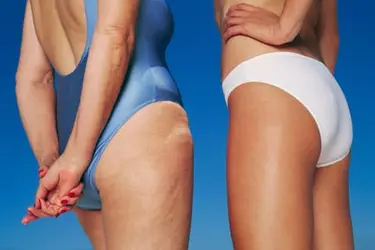
Smooth Moves
Cellulite: Most women have it on their thighs, bottoms, or bellies. It's normal, but if yours bothers you, there are ways to make it less noticeable.

Exercise Smart
Get moving. It's one of the best treatments. It won't make your cellulite disappear, but strong muscles under lumpy areas can make your skin look more even. Try a three-part plan: a healthy diet, brisk exercise, and moves that tone your muscles.

Eat More Raw Foods
Eat more fiber -- in whole grains, fruit, and vegetables -- instead of "empty"-calorie foods. The simple or "refined" carbs found in many breads, candy, and soft drinks add calories. This leads to fat, especially in cellulite-prone areas.

Lose a Few Pounds
Skinny or plump, you can have cellulite. But extra weight often makes it more visible. If you're overweight, the best remedy is to shed a few pounds. Try to lose weight slowly, though. Yo-yo dieting can make cellulite look worse. If you've lost a lot of weight, it might show up in areas where your skin is loose. Ask your doctor about treatments.

Kick the Habit
Every puff affects the blood supply to your skin. It gets thinner and more likely to sag. This makes the cellulite on your arms, thighs, and bottom more visible. Ask your doctor which stop-smoking method is best for you.

Massage the Dimpled Zone
Take a few extra minutes every day to give these spots a firm rubdown.Try it in the shower or when you apply lotion. Massage improves blood flow and gets rid of excess fluid, which may make dimples less noticeable for a while.

Take Products on a Test Run
Creams with plant extracts might make your skin look better for a while. For example, products with caffeine can help quickly tighten your skin. But would a massage or your normal moisturizer work just as well? Run a test. And before you slather yourself with a new product, try a small dab so you know how your skin reacts.

Add Retinol Cream to Your Routine
When you scan ads for firming creams, look for the word retinol. It won't cure cellulite -- nothing does. But it can improve your skin's look and texture. A product with 0.3% retinol is best. You need to use it for at least 6 months to see effects. It should thicken your skin's outer layer to help cover bumpy areas underneath.

Smooth on a "Bottle Tan"
If you have fair skin, a self-tanner may help. Dimpled areas are less noticeable on darker skin. Start with a gentle body scrub, then apply a self-tanning lotion to cellulite areas only. Next spritz your entire body with a tanning spray. Pass on a real tan. It'll damage your skin and make cellulite look worse.

Step Out in Support Stockings
Modern support hose don't look like those thick, saggy things your granny wore. If you wear them often, your skin should look smoother because they help prevent cellulite from storing fluid. Your doctor or pharmacist can help you choose the right grade. The catch: It could take a year or two!

Indulge in a Body Wrap
Hit the spa! A body wrap can tighten and smooth your skin for a while. The effects last about a day, and costs vary. A body shaper or an elastic bandage wrapped around your cellulite zones might give you spa results for less cash.

Massage and Suction Team Up
Lipomassage uses a rolling suction device to gather and massage your skin. The treatment is FDA-approved but it's also pricey. And it may take several sessions to get results. The benefits are likely to go away unless you have it done over and over.

Bring the Heat With Lasers and RF
Lasers or radiofrequency (RF) blast your skin with heat, plus added massage and suction. The treatments can give your bumps a smoother look -- in some cases, for 6 months or more. They don't hurt much, but can be expensive, and you may need several visits.

Cellulaze Shows Promise
This FDA-approved surgery zaps cellulite at the source. The doctor slips a laser under your skin to shrink fat cells, cut the tough bands that cause bumps, and thicken your skin. Results should last a year or more, but the long-term effects are unknown. Make sure you go to a board-certified cosmetic surgeon for this procedure. It may not work well if you're very heavy or have severe cellulite. Ask your doctor for guidance.

Single Treatment Success
Cellfina, another FDA-approved treatment, promises to reduce cellulite in a single session. Your doctor will numb the area then insert a needle-sized device in your skin. They’ll slice through the cellulite-causing bands under your skin that cause the lumps and bumps. The changes should last about 2 years. Cellfina doesn’t work if you have loose skin or so-called “orange peel” cellulite.