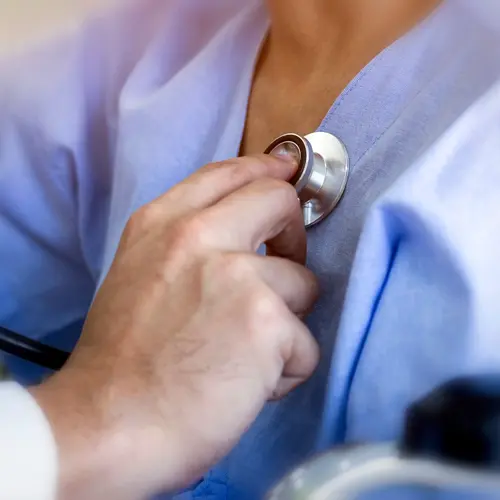
Do you know the symptoms of a heart attack? This is a life-threatening emergency that requires quick action. Don’t ignore even minor heart attack symptoms. Immediate treatment lessens heart damage and saves lives.
Recognizing the Symptoms
These vary from person to person. Not all heart attacks begin with the sudden, crushing chest pain that most of us have heard about. In fact, some cause no symptoms at all, especially those that happen to people with diabetes.
They may begin slowly, with mild pain and discomfort. They can happen while you're at rest or active. How severe they are can depend on your age, gender, and medical conditions.
Warning Signs
Common ones may include:
Chest discomfort that feels like pressure, fullness, or a squeezing pain that lasts for more than a few minutes or goes away and comes back.
Pain and discomfort that go beyond your chest to other parts of your upper body, like one or both arms, or your back, neck, stomach, teeth, and jaw
Unexplained shortness of breath, with or without chest discomfort
Other symptoms, such as:
- Cold sweats
- Nausea or vomiting
- Lightheadedness
- Anxiety, indigestion
- Unexplained fatigue
Women are more likely than men to have additional issues, like neck, shoulder, upper back, or abdominal pain.
What to Do When They Happen
If you or someone you’re with has chest discomfort or other heart attack symptoms, call 911 right away. (Check your community plan, because some communities require dialing a different number.)While your first impulse may be to drive yourself or the heart attack victim to the hospital, it’s better to get an ambulance. Emergency medical services (EMS) personnel can start treatment on the way to the hospital. They’re also trained to revive a person if their heart stops.
If you can't reach EMS, drive the person to the hospital. If you’re the one with the symptoms, don’t drive yourself to the hospital unless you have no other choice.
Many people delay treatment because they doubt they are having a heart attack. They don't want to bother or worry their friends and family.
It’s always better to be safe than sorry.
Put Time on Your Side
Acting quickly can save lives. If given quickly after symptoms, clot-busting and artery-opening medications can stop a heart attack, and having a catheterization with a stent put in may open a closed blood vessel. The longer you wait for treatment, the more chances of survival go down and damage to the heart goes up.
About half of those who die from heart attacks do so within the first hour after symptoms begin.
What to Do Before Paramedics Arrive
Perform CPR if You Are Qualified
Cardiopulmonary resuscitation (CPR) is one link in what the American Heart Association calls the "chain of survival." The chain of survival is a series of actions that, when done in sequence, will give a person having a heart attack the best chance of survival.
In an emergency, the first link in the chain of survival is early access. This means activating the EMS system by calling 911 (or the number designated by your community plan). The next link in the chain of survival is to do CPR until there’s access to a defibrillator.
The most common cause of death from a heart attack in adults is a disturbance in the electrical rhythm of the heart called ventricular fibrillation. Ventricular fibrillation can be treated, but it needs an electrical shock to the chest called defibrillation. If a defibrillator is not readily available, brain death will happen in less than 10 minutes.
One way of buying time until a defibrillator becomes available is to give artificial breathing and circulation with CPR. By giving a combination of manual chest compressions and artificial, or "mouth-to-mouth," respiration, the rescuer can breathe for the other person and help circulate some of the blood throughout their body. Even without mouth-to-mouth, "hands-only" CPR can be very effective.
The earlier you give CPR to a person in cardiopulmonary arrest (no breathing, no heartbeat), the better the chance of resuscitation. By doing CPR, you keep oxygenated blood flowing to the heart and brain until a defibrillator becomes available.
Because up to 80% of all cardiac arrests happen in the home, you are most likely to perform CPR on a family member or loved one.
CPR isn’t hard to learn, and many organizations offer courses, including the American Heart Association, the American Red Cross, local community centers, health clubs, and YMCAs.
NOTE: This information is intended only to serve as a guideline for learning about CPR. It is not intended to be a replacement for a formal CPR course. If you are interested in taking a CPR course, contact the American Heart Association at 800-AHA-USA1 (800-242-8721) or the American Red Cross by phoning your local chapter.
Never practice CPR on another person, because you can hurt them. Also note that the internet-endorsed method of "cough CPR" is not an accepted alternative to real CPR. Having someone cough to maintain blood flow to the brain does not work in practice or theory.
Use an AED if You Can
In some areas of the country, simple computerized defibrillators, known as automated external defibrillators, or AEDs, may be available for use by the public or the first person on the scene. The goal is to provide access to defibrillation when needed as quickly as possible. CPR along with AEDs can dramatically increase survival rates for sudden cardiac arrest. If available, this early defibrillation becomes the next link in the chain of survival.
AEDs give an electric shock through the chest wall to the heart. The device has built-in computers that check the victim's heart rhythm, judge whether defibrillation is needed, and then send the shock. Audible or visual prompts guide the user through the process.
Most AEDs are designed to be used by non-medical people such as fire department personnel, police officers, lifeguards, flight attendants, security guards, teachers, bystanders, and even family members of people at high risk of sudden cardiac death.
AEDs cannot shock a person who is not in cardiac arrest. An AED treats only a heart in an abnormal rhythm. If a person is in cardiac arrest without such a rhythm, the heart will not respond to electric currents. CPR should be administered until EMS arrives.
Once the EMS unit arrives, the next link in the chain of survival is early advanced life support care. This involves giving medications, using special breathing devices, and providing more defibrillation shocks if needed.
Be Prepared
Nobody plans on having a heart attack. It’s best to be prepared. Steps you can take before symptoms start include:
- Memorize the list of heart attack symptoms and warning signs.
- Remember that you need to call 911 within 5 minutes of when they begin.
- Talk to family and friends about the warning signs and the importance of calling 911 immediately.
- Know your risk factors and do what you can to reduce them.
- Create a heart attack survival plan that includes information about medicines you’re taking, your allergies, your doctor's number, and people to contact in case you go to the hospital. Keep this information in your wallet.
- Arrange to have someone care for your dependents if an emergency happens.
- Learn CPR for a Loved One