What Is a Pacemaker?
A pacemaker is a small device that sends electrical impulses to the heart muscle to maintain a suitable heart rate and rhythm. A pacemaker may also be used to treat fainting spells (syncope), congestive heart failure, and, rarely, hypertrophic cardiomyopathy.
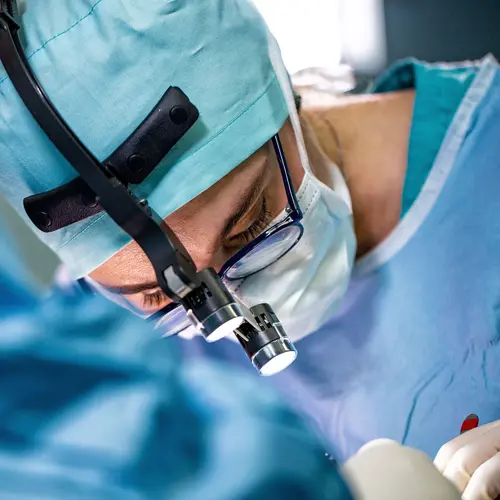
It is implanted just under the skin of the chest during minor surgery. The healthy heart has its own pacemaker that regulates the rate at which the heart beats.
The heart has its own pacemaker that regulates the rate at which it beats. But some hearts don't beat regularly, a problem called arrhythmia. Often, a pacemaker device can correct it.
How Does a Pacemaker Work?
The pacemaker has two parts: the leads and a pulse generator. The pulse generator houses the battery and a tiny computer, and resides just under the skin of the chest. The leads are wires that are threaded through the veins into the heart and implanted into the heart muscle. They send impulses from the pulse generator to the heart muscle, as well as sense the heart's electrical activity.
Each impulse causes the heart to contract. The pacemaker may have one to three leads, depending on the type of pacemaker needed to treat your heart problem.
Types of Pacemakers
There are different types of pacemakers:
- Single chamber pacemakers use one lead in the upper chambers (atria) or lower chambers (ventricles) of the heart.
- Dual-chamber pacemakers use one lead in the atria and one lead in the right ventricle of your heart.
- Biventricular pacemaker uses three leads: one placed in the right atrium, one placed in the right ventricle, and one placed near the left ventricle.
The doctor will program your minimum heart rate. When your heart rate drops below that set rate, your pacemaker generates (fires) an electrical impulse that passes through the lead to the heart muscle. This causes the heart muscle to contract, creating a heartbeat.
Who Needs a Pacemaker?
If your heart is having trouble maintaining its own rhythm, you may need one. Your doctor will do tests to find out for sure.
Pacemakers are usually used to treat the following:
- Bradyarrhythmias. These are slow heart rhythms that may arise from disease in the heart's electrical conduction system (such as the SA node, AV node, or HIS-Purkinje system).
- Heart failure. This device is called cardiac resynchronization therapy (CRT) or biventricular pacing.
If you need a pacemaker, your doctor will decide what type you need based on your heart condition.
Before Pacemaker Surgery
Ask your doctor what medications you are allowed to take before getting a pacemaker implanted. Your doctor may ask you to stop taking certain drugs one to five days before the procedure. If you have diabetes, ask your doctor how you should adjust your diabetes medications.
- Do not eat or drink anything after midnight the evening before the procedure. If you must take medications, take them only with a small sip of water.
- When you come to the hospital, wear comfortable clothes. You will change into a hospital gown for the procedure. Leave all jewelry and valuables at home.
How Are Pacemakers Implanted?
Pacemakers are implanted two ways:
- Endocardial approach. This is the most common technique used.
- This procedure is done in a pacemaker or electrophysiology lab.
- A local anesthetic (pain-relieving medication) is given to numb the area. A cut is made in the chest where the leads and pacemaker are inserted.
- The lead(s) is inserted through the incision and into a vein, then guided to the heart with the aid of a fluoroscopy machine.
- The lead tip attaches to the heart muscle, while the other end of the lead (attached to the pulse generator) is placed in a pocket created under the skin in the upper chest.
- Epicardial approach. This is more commonly used in children.
- This procedure is done by a surgeon in a surgical suite. General anesthesia is given to put you to sleep.
- The surgeon attaches the lead tip to the heart muscle, while the other end of the lead (attached to the pulse generator) is placed in a pocket created under the skin in the abdomen.
- Although recovery with the epicardial approach is longer than that of the other approach, minimally invasive techniques have enabled shorter hospital stays and quicker recovery times.
The doctor will determine which pacemaker implant method is best for you.
What to Expect During Pacemaker Surgery
The endocardial pacemaker takes about 1-2 hours to implant.
What happens during pacemaker implantation?
- You’ll lie on a bed and the nurse will start an intravenous line (IV) into your arm or hand. This is so you may receive medications and fluids during the procedure. You will be given medication through your IV to relax you and make you drowsy, but it will not put you to sleep.
- The nurse will connect you to several monitors. The monitors allow the doctor and nurse to check your heart rhythm, blood pressure, and other measurements during the pacemaker implant.
- The left or right side of your chest will be shaved and cleansed with a special soap. Sterile drapes are used to cover you from your neck to your feet. A strap will be placed across your waist and arms to prevent your hands from coming in contact with the sterile field.
How are pacemakers implanted?
- The doctor will numb your skin by injecting a local numbing medication. You will feel a pinching or burning feeling at first. Then, it will become numb. Once this occurs, a cut will be made to insert the pacemaker and leads. You may feel a pulling as the doctor makes a pocket in the tissue under your skin for the pacemaker. You should not feel pain. If you do, tell your nurse.
- After the pocket is made, the doctor will insert the leads into a vein and guide them into position using a fluoroscopy machine.
- After the leads are in place, their function is tested to make sure they can increase your heart rate. This is called "pacing" and involves delivering small amounts of energy through the leads into the heart muscle. This causes the heart to contract. When your heart rate increases, you may feel your heart is racing or beating faster. It is very important to tell your doctor or nurse any symptoms you feel. You should report any pain right away.
- After the leads are tested, the doctor will connect them to your pacemaker. Your doctor will determine the rate of your pacemaker and other settings. The final pacemaker settings are done after the implant using a special device called a "programmer."
What to Expect After Pacemaker Surgery
You will be admitted to the hospital overnight for the pacemaker implantation. The nurses will monitor your heart rate and rhythm. The morning after your implant, you will have a chest X-ray to ensure the leads and pacemaker are in the proper position.
You will be shown how to care for your wound. Keep your wound clean and dry. After 5 days, you may take a shower. Look at your wound every day to make sure it is healing. Your pacemaker settings will be checked before you leave the hospital.
You will receive a temporary ID card that tells you:
- The type of pacemaker and leads you have
- The date of the pacemaker implant
- The name of the doctor who implanted the pacemaker
Within 3 months, you will receive a permanent card from the pacemaker company. CARRY THIS CARD WITH YOU AT ALL TIMES in case you need medical attention at another hospital.
Restrictions after pacemaker surgery
- Do not lift objects that weigh more than 10 pounds.
- Do not hold your arms above shoulder level for 3 weeks.
- Avoid activities that require pushing or pulling heavy objects, such as shoveling the snow or mowing the lawn.
- Stop any activity before you become overtired.
- For 6 weeks after the procedure, avoid golfing, tennis, and swimming.
- Try to walk as much as possible for exercise.
- Ask your doctor when you can resume more strenuous activities.
- Your doctor will tell you when you can go back to work, usually within a week after you go home. If you can, ease back to your regular work schedule.
How often will I need to see my doctor for my pacemaker?
A complete pacemaker check should be done 6 weeks after your pacemaker is implanted. Adjustments will be made that will prolong the life of your pacemaker. Then your pacemaker should be checked every 3 months on the telephone to tell how well its battery is working. Your nurse will explain how to check your pacemaker using the telephone transmitter. Once or twice a year, you will need a more complete exam at a hospital or doctor's office.
If you have a biventricular pacemaker, you may need to visit the doctor's office or hospital every 6 months to make sure your device is working properly and the settings do not need to be adjusted.
Risks and Complications of Pacemaker Surgery
Talk with your doctor about the possible benefits and risks of pacemaker surgery.
Pacemaker surgery is generally safe, but problems do happen. Call your doctor if you notice:
- Increased swelling, bleeding, bruising, or infection near the site
- Blood vessel or nerve damage
- A collapsed lung
- Reaction to any medicine used during the surgery
Living With a Pacemaker
Should I avoid certain electrical devices if I have a pacemaker?
- Electric blankets, heating pads, and microwave ovens can be used and will not interfere with the function of your pacemaker.
- A cellphone should be used on the side opposite of where the pacemaker was implanted.
- Cellphones should not be placed directly against the chest or on the same side as your pacemaker.
- You will need to avoid strong electric or magnetic fields, such as: some industrial equipment; ham radios; high intensity radio waves (found near large electrical generators, power plants, or radio frequency transmission towers); and arc resistance welders.
- Do not have any tests that require magnetic resonance imaging (MRI) unless you have been told that you have an MRI-compatible pacemaker.
- When going through airport security, show your pacemaker card without going through the screening machine because the pacemaker will set off the security alarms.
- Your doctor or nurse can provide more information about what types of equipment may interfere with your pacemaker.
If you have concerns about your job or activities, ask your doctor.
How long will my pacemaker last?
A pacemaker usually lasts 7 to 10 years, depending on how often it is used. When the battery becomes low, your pulse generator will need to be replaced.