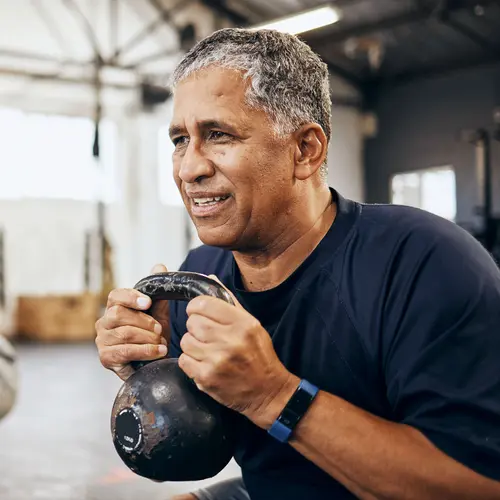
You can still have a full, active lifestyle with peripheral artery disease, or PAD.
The condition happens when plaque builds up in your arteries. This makes it harder for your arms, legs, head, and organs to get enough blood.
Although it’s serious and can sometimes be painful, there are lots of ways to slow it down. With different choices in your day-to-day life, you may even be able to reverse the symptoms and avoid surgery. Start with these tips for exercise, foot care, eating well, and more.
1. Walk and Rest
Because of your pain, you may be cutting back on activity. But you need to exercise when you have PAD. It is good for just about everyone who has this condition.
But how do you exercise if it hurts? There are ways to do your workouts and control the pain.
First of all, listen to your body and learn when to pause. If your legs bother you on a stroll, take a break. Wait for the pain to fade and begin again. By resting and then starting again, you’ll build up your body. Start slowly but don’t give up.
Stretch before and after you take a walk. Try to pick a route that keeps you close to home so that you can get back quickly if you need to.
You may have to start slowly, but the more you walk, the farther you will be able to go. And the more you move, the better it is for you.
Your doctor may also be able to help you ease into a routine and work up to the amount of activity you need. They know it isn’t easy to move around with PAD. They may also offer you a medicine that helps get more blood to your legs and lowers your pain. This might make exercise easier.
2. Find the Right Exercises
Talk with your doctor about what activities are best for you. They may suggest exercise plans that have been shown to curb PAD symptoms. Try to get 30 minutes of activity several times a week after your appointment.
Choose exercises you enjoy, so you’ll stick with them. Bored with walking? Maybe you can find a swimming pool or ride a bicycle. Perhaps a fitness class or yoga is your speed.
You might want to ask a friend or two to exercise with you. That often makes it more fun and you can keep each other on track. If you can afford it, a personal trainer can keep you focused on your goals.
Working out does more than reduce your PAD symptoms. It also helps to lower your blood pressure and “bad” cholesterol levels. And it’s good for your heart and just about every part of your body.
3. Take Care of Your Feet and Legs
People feel PAD most often in their legs, especially the calves or thighs. When blood can’t flow freely, you may feel pain or numbness. You’re more likely to ache when you walk or do some kind of activity because that’s when your muscles need more blood.
Wear shoes that fit you well. You want to be as comfortable as possible when you walk. It’s best to skip compression socks. They don’t help with PAD and can actually cause more harm. If you wear them to prevent swelling or blood clots, check with your doctor to see whether they’re still a good idea.
Check your feet and toes every day for sores, cracks, or anything that doesn’t look right. Sores may not heal well. Look for even minor problems such as scratches, blisters, small cuts, or ingrown nails. If you can’t see your feet, use a mirror or ask a family member to help.
If you see bumps or thick, hard patches of skin, these might be bunions, corns, or calluses. You may need to get these treated by a foot doctor, called a podiatrist.
When blood can’t flow freely into your legs and feet, you’re more likely to get an infection. So a tiny sore can become a bigger problem. When you see things on your feet that don’t look right, talk to your doctor.
When you keep your feet in good shape, you’ll be more likely to stick with your exercises and less likely to get an infection that could cause a serious problem.
Wash your feet every day and dry them. Use warm water, not hot. Don’t let them soak too long because your skin could dry out. Wiggle your toes several times a day to keep the blood flowing.
Keep your toenails trimmed. It can help to clip them after bathing, when they’re softer. You may also want to use a nail file.
Use lotion or cream to keep your feet from getting dry. You can do this as often as you need to throughout the day. Don’t put lotion between your toes or on sores or cuts.
Ask your doctor for other ideas on keeping feet and legs in tip-top shape.
4. Stay Warm
Try to avoid being in the cold as much as possible. In the middle of winter, see if you can find a place indoors to work out.
If you have to be outdoors and it’s freezing, dress in layers and wear thick, dry socks. Try not to let the weather stop you from being active.
5. Quit Smoking
Smoking makes your condition worse, because it makes it harder for your arteries to carry blood. When you stop, you take a very important step in controlling your condition. Smoking can also raise your chances of a heart attack or stroke.
6. Avoid Certain Cold Medicines
Some over-the-counter brands contain a medication called pseudoephedrine. While it can give you relief during a cold or allergy outbreak, it has side effects. The drug narrows your blood vessels, which can worsen your PAD symptoms.
Check the label or ask your pharmacist.
7. Eat Well
It’s more important than ever to keep your weight and cholesterol under control. It helps to eat a diet that’s good for your heart with lots of fruits, vegetables, whole grains, beans, lean meats, and plant oils such as olive oil.
You may need to cut back on salt, sugar, alcohol, and the saturated fats that are common in animal products. That means less beef, pork, poultry with skin, and dairy from whole or 2% milk.
You also should avoid coconut oil or palm oil and skip artificial trans fats. To avoid trans fats, look for ingredients that are labeled “partially hydrogenated.”
At first, you may inwardly groan and think about what you have to give up. But a lot of tasty foods will remain on your list -- and this is a chance to maybe pick up some new cooking skills. You might want to join a cooking class especially for people who are learning the same new habits.
Ask your doctor or a dietitian about ways you can make the foods they want you to eat taste better.
Have you heard of the Mediterranean diet? It’s good for you, and it has a lot of things many people find delicious: olive oil, fish and other seafood, nuts, beans, tomatoes, cucumbers, and other veggies.
You also might want to read up on tips for ordering in restaurants.
A better diet can lower your blood pressure and get your cholesterol to good levels.
8. Manage Other Health Problems
High blood pressure, high cholesterol, and diabetes can make PAD worse if you don’t stay on top of them. Work with your doctor to keep an eye on these problems.
9. Take Prescribed Medications and Keep Up With Your Appointments
In some cases, lifestyle changes aren’t enough. You might need medicine to:
- Lower your chance of heart attack or stroke, such as with aspirin or clopidogrel (Plavix)
- Prevent blood clots, such as with warfarin (Coumadin, Jantoven)
- Get more blood flow to your legs and feet, such as with cilostazol (Pletal) or pentoxifylline (Pentoxil, Trental). These drugs help keep your blood thin and widen blood vessels.
- Lower your blood pressure, such as with amlodipine (Norvasc), ramipril (Altace), or valsartan (Diovan)
- Lower your cholesterol with statinslike atorvastatin (Atorvaliq, Lipitor) or simvastatin (FloLipid, Zocor)
Make sure you check in with your doctor when they ask you to come back for follow-ups. Take any prescribed medications with you.
Sometimes, people with serious conditions start to feel anxious or depressed about them. If that happens to you, ask your doctor to recommend a counselor or support group.
Also tell your doctor about any pain you have, especially if it stops you from exercising. They may have more ideas to reduce the aches -- massage therapy, for instance -- so you can get back to feeling better.