There are many types of heart disease, and each one has its own symptoms and treatment. For some, lifestyle changes and medicine can make a huge difference in improving your health. For others, you may need surgery to make your ticker work well again.
Find out about some of the common types of heart disease and how to prevent them as well as how they're treated.
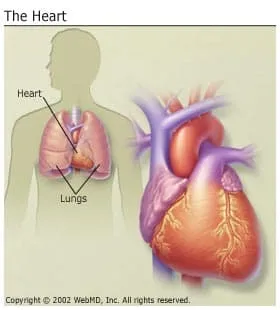
Coronary Artery Disease (CAD)
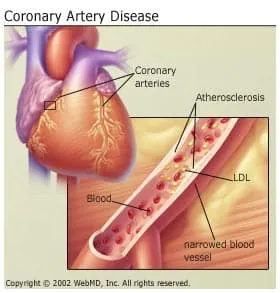
CAD is the most common heart problem. With CAD, you may get blockages in your coronary arteries -- the vessels that supply blood to your heart. That can lead to a decrease in the flow of blood to your heart muscle, keeping it from getting the oxygen it needs. The disease usually starts as a result of atherosclerosis, a condition sometimes called hardening of the arteries.
Coronary heart disease can give you pain in your chest, called angina, or lead to a heart attack.
Some things that may put you at a higher risk of coronary artery disease are:
- Age (For men, the risk of heart disease goes up after age 55; for women, the risk rises sharply after menopause.)
- Being inactive
- Having diabetes or metabolic syndrome
- Family history of coronary heart disease
- Genetics
- High blood pressure
- High levels of LDL "bad" cholesterol or low levels of HDL "good" cholesterol
- Obesity
- Smoking
- Stress
Heart Arrhythmias
When you have an arrhythmia, your heart has an irregular beating pattern. Serious arrhythmias often develop from other heart problems but may also happen on their own.
Heart Failure
With heart failure, your heart doesn't pump blood as well as it should to meet your body's needs. It is usually caused by coronary artery disease, but it can also happen because you have thyroid disease, high blood pressure, heart muscle disease (cardiomyopathy), or certain other conditions.
Heart Valve Disease
Your heart has four valves that open and close to direct blood flow between your heart's four chambers, the lungs, and blood vessels. An abnormality could make it hard for a valve to open and close the right way. When that happens, your blood flow could be blocked or blood can leak. Your valve may not open and close right.
The causes of heart valve problems include infections such as rheumatic fever, congenital heart disease, high blood pressure, coronary artery disease, or as a result of a heart attack.
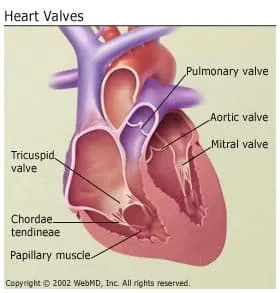
Diseases of the heart valves include:
- Endocarditis. This is an infection that's usually caused by bacteria, which may enter the blood and take root in your heart during illness, after surgery, or after using intravenous drugs. It often happens if you already have valve problems. Antibiotics can usually cure it, but the disease is life-threatening without treatment.
If your heart valves are seriously damaged as a result of endocarditis, you may need valve replacement surgery. - Rheumatic heart disease. This condition develops when your heart muscle and valves are damaged by rheumatic fever, which is linked to strep throat and scarlet fever.
Rheumatic heart disease was more common earlier in the 20th century. But doctors are now able to prevent it by using antibiotics to treat the diseases that lead to it. If you do get it, the symptoms usually show up many years after the infection.
Pericardial Disease
Any disease of the pericardium, the sac that surrounds your heart, is called a pericardial disease. One of the more common diseases is pericarditis or inflammation of the pericardium.
It's usually caused by an infection with a virus, inflammatory diseases such as lupus or rheumatoid arthritis, or injury to your pericardium. Pericarditis often follows open heart surgery.
Cardiomyopathy (Heart Muscle Disease)
Cardiomyopathy is a disease of your heart muscle, or myocardium. It gets stretched, thickened, or stiff. Your heart may get too weak to pump well.
There are many possible causes of the disease, including genetic heart conditions, reactions to certain drugs or toxins (such as alcohol), and infections from a virus. Sometimes, chemotherapy causes cardiomyopathy. Many times, doctors can't find the exact cause.
Congenital Heart Disease
Congenital heart disease happens when something goes wrong while the heart is forming in a baby that's still in the womb. The heart abnormality sometimes leads to problems right after birth, but other times there aren't any symptoms until you become an adult.
Septal abnormalities are among the most common congenital heart problems. These are holes in the wall that separates the left and right sides of your heart. You can get a procedure to patch the hole.
Another type of abnormality is called pulmonary stenosis. A narrow valve causes a decrease in the flow of blood to your lungs. A procedure or surgery can open or replace the valve.
In some babies, a small blood vessel known as the ductus arteriosus doesn't close up at birth as it should. When this happens, some blood leaks back into the pulmonary artery, which puts strain on your heart. Doctors can treat this with surgery or a procedure or sometimes with medication.