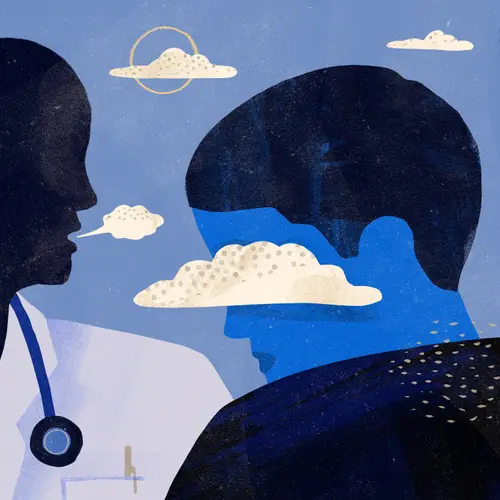
Antiretroviral therapy, or ART, is a safe and proven way to treat HIV. Your doctor will want you to start right away -- usually the same day you’re diagnosed. This is called rapid-start ART. Early and effective treatment can help you live a normal life. It can also lower the chances you’ll pass the virus to someone else.
The sooner you start ART, the better. That’s true even if you feel good.
“There’s no upside to waiting,” says Shannon Galvin, MD, associate professor of medicine and infectious diseases at Northwestern Medicine. “Everyone who has HIV will benefit from being on treatment, no matter what their T-cell count is.”
Effective ART can lower your viral load so much that blood tests won’t be able to find it. That doesn’t just keep you well. It means there’s pretty much no chance that you’ll sexually transmit the virus to someone else. That’s called “undetectable equals untransmittable.” If you reach this state fast, you may feel more in control and hopeful about your condition, says Gregory Huhn, MD, associate professor of medicine and infectious diseases at Rush University Medical Center.
ART can help you stay healthy. But it’s not a cure for HIV. You’ll need to take your medicine every day. If you have questions about your treatment, talk to your doctor before you start. They can help you find a plan that works for you.
How Does ART Treat HIV?
This combo of drugs can lower the amount of HIV in your blood, which is called your viral load. This keeps up your CD4 count. The higher this number, the more T cells you have and the better your immune system works. ART also lowers your HIV-related immune activation. This is inflammation that can hurt your heart, brain, bones, and other organs.
Basically, ART makes it less likely you’ll get sick from HIV. And that helps you live longer.
“If you take a 20-year-old with a CD4 count above 500, who starts ART immediately after diagnosis -- and they don’t have hepatitis B, C, or other comorbidities -- their life expectancy is about the same as that person without HIV,” Huhn says.
Who Should Start ART Right Away?
In the past, doctors gave rapid-start ART to people with a very low CD4 count. But now, anyone with HIV is likely to get it. “We have hard data that shows everybody (with HIV) lives longer and healthier if they’re on antiretrovirals,” Galvin says.
ART is even more important for certain groups. That includes people who:
- Are pregnant. You’re less likely to pass HIV to your baby if you have an undetectable viral load. If you’re already on ART, keeping taking your medicine. But if you’re not, talk to your doctor about how you can start treatment right away.
- Have a low CD4 count. People with a CD4 count less than 200 are at high risk for becoming ill. In fact, a CD4 count this low means you have AIDS.
- Have an AIDS-defining condition. These are infections and cancers that are especially serious for people with HIV.
Should Anyone Delay ART?
There are very few people who should wait to begin ART, Huhn says. But sometimes you may need to treat certain infections first.
Your doctor may put off your ART if you have:
- Active tuberculosis
- Cryptococcal meningitis
Your doctor may also want to first treat any serious mental health conditions, Huhn says. Untreated psychological or substance abuse problems can make it harder for you to keep up with treatment.
What If You’re Not Ready?
It’s normal to need some time to take in your diagnosis. It’s still considered rapid start if you begin ART within 7 days. What’s most important is that you’re ready to stay with treatment once you start. “There are a few people who have to think about it, and they should be given that opportunity,” Galvin says. “We just want to make sure that we’re starting something we have a plan to continue.”