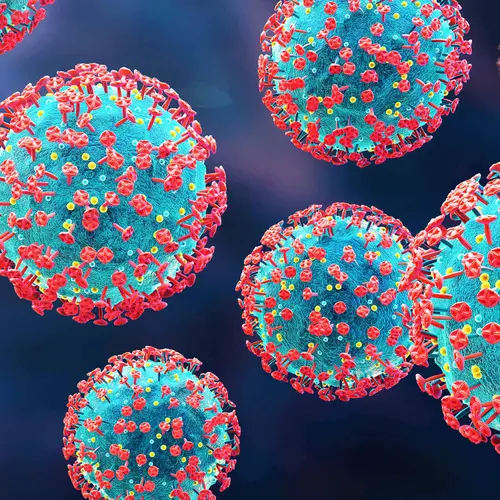
HIV is a virus that lives in human blood, sexual fluids, and breast milk. It weakens your immune system, so your body has a hard time fighting off common germs, viruses, fungi, and other invaders. It spreads mainly through unprotected sexual contact and sharing needles.
AIDS -- acquired immune deficiency syndrome -- is the condition that comes when your immune system stops working and you get sick because of HIV.
Who Gets It?
The infection spreads from person to person when certain body fluids are shared, usually during vaginal or anal sex, or when sharing drugs you inject. It can also be passed from dirty needles from tattoos and body piercing. It can be spread through oral sex, too, although the chance is small.
Mothers can pass HIV to their child during pregnancy or birth, when the baby is exposed to their infected blood, or in their breast milk. But in some areas of the developing world, it's safer for moms with HIV to breastfeed for a few months rather than to give a newborn formula with potentially contaminated water, especially if they are receiving treatment for HIV (see below).
HIV doesn't live in saliva, tears, pee, or sweat -- so it can't be spread by casual contact with these body fluids.
HIV is not as easy to get as other infectious diseases. The virus can't survive for long outside the human body; it dies quickly when the body fluid dries up. It's not spread by animals or insects. You won't find it on public surfaces like door handles or toilet seats.
All blood products used in the United States and Western Europe today are tested for HIV. Blood banks get rid of any donated blood that tests positive, so it never gets into the public supply. Someone who donates HIV-positive blood will be contacted so they can be tested by their doctor, and they won't be able to give blood again.
Where Is It Widespread?
HIV is spread throughout the world, but Sub-Saharan Africa (the southern part) has the greatest number of people who are infected. The World Health Organization and the United Nations UNAIDS office estimate that more than a third of adults are infected with HIV in some areas of Africa. There are many cases of HIV in South and Southeastern Asia. The numbers of people who have HIV in Eastern Europe are growing because of injection drug use.
There are two main types of the virus: HIV-1 and HIV-2. HIV-2 is most commonly found in West Africa, although places in other parts of the world are seeing it, too. HIV tests usually look for both kinds.
Living With HIV and AIDS
The first documented AIDS case in the United States was in 1981 (in retrospect, some cases occurred earlier in the world). Since then, about 35 million people in the world have died from illnesses related to the disease. Millions of children have been orphaned because of it.
Now, combination drug treatments have turned HIV into a long-term infection that you can manage, even if HIV has progressed to AIDS. At the end of 2022, about 39 million people in the world were living with HIV, including about 2 million kids. About 30 million of these persons were receiving these life-saving treatments. When you work closely with your doctors and stick to your treatment plan, you can live a long time and expect a near normal life expectancy.
It can take HIV many years to damage your immune system enough to make you vulnerable to certain diseases, such as a form of skin cancer called Kaposi's sarcoma. These other "opportunistic infections" are signs that you have AIDS, since people with healthy immune systems rarely get them. However, the HIV treatments, if taken early, can prevent the progression to AIDS.
Because there are drugs you can take for it, some groups of people believe they don't have to be worried about HIV anymore, even though they're more likely to get the virus. But treatments don't change the fact that HIV is a potentially life-threatening illness.
HIV and AIDS medications can be expensive. Despite successful programs to treat people with HIV in resource-limited countries, many people in the world living with the virus and its complications still have a hard time getting the medicine they need.