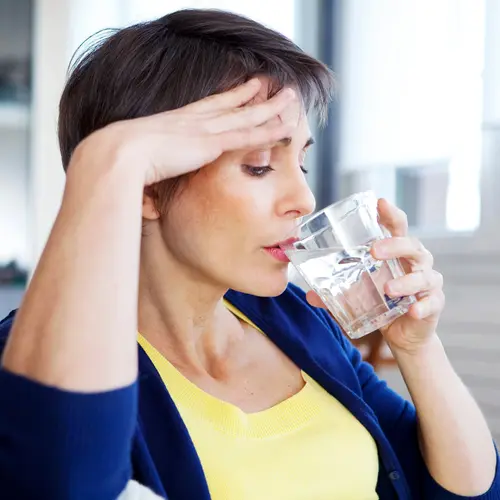
Menopause can cause symptoms that can last for months or years. Women have different symptoms, which can include:
- Irregular periods
- Vasomotor symptoms (VMS) - night sweats and hot flashes
- Vaginal dryness
- Chills
- Problems sleeping
- Mood problems
- Weight gain
- Hair or skin changes
- Loss of breast fullness
Some women decide to treat their VMS with herbs and dietary supplements instead of hormone replacement therapy. There are a number of natural options for the treatment of menopausal symptoms.
Black Cohosh
| Symptom: | Hot Flashes, Night Sweats |
| Benefit: | Black cohosh is derived from a species of buttercup. Studies have had mixed results on whether black cohosh is effective in reducing hot flashes. Some studies indicate it may help with mild hot flashes and night sweats for short-term treatment. May lower blood pressure, as well. In rare cases, hepatitis has been reported. |
Soy
| Symptom: | Hot Flashes, Night Sweats |
| Benefit: | Soy has isoflavones, which are phytoestrogens (plant estrogens). Some studies have observed that soy may be effective in reducing menopausal symptoms. However, other studies have found no benefit. Only food forms of soy, like tofu and soy milk, are recommended. Soy in tablet or powder form is not advised. |
Flaxseed, ground or oil
| Symptom: | Hot Flashes |
| Benefit: | Flaxseed has omega-3 fatty acids and lignans, which act as phytoestrogens. Results from studies have been mixed, but it may help symptoms in some women. It is also believed to help lower cholesterol. Avoid whole flaxseed because it is difficult to digest. |
Vitamin E
| Symptom: | Vaginal Dryness, Hot Flashes |
| Benefit: | Topical vitamin E oil applied to the vagina helps improve lubrication and may also reduce hot flashes. |
Yoga, Aerobic Exercise, Breathing Exercises
| Symptom: | Mood Swings, Sleep Disruption |
| Benefit: | Exercise and meditation reduce irritability, even hot flashes, in some women. Yoga combines both exercise and meditation into one activity. Exercise also helps most people sleep better. |
Cold Drinks
| Symptom: | Hot Flashes, Night Sweats |
| Benefit: | Cold drinks help you feel cooler. Avoid caffeine and alcohol, which are diuretics that encourage dehydration and can aggravate hot flashes. Try cold water or fruit juices with antioxidant vitamins. |
Warning
While the supplements mentioned above are among the most commonly used supplements to help control menopause symptoms, it's important to note that research is still ongoing to determine their effectiveness. To date, no supplement has consistently been shown to work better than placebo in managing VMS.
Also, keep in mind that dietary or herbal supplements may have side effects or interactions with each other or with other drugs. Some may be unsafe to take due to certain medical conditions. Consult with your doctor before using them.
Supplements aren’t regulated by the government like prescription drugs, so it can be hard to know exactly what you’re taking. Different products can have different ingredients and concentrations. Be wary of supplements sold through telemarketers or infomercials.
Other red flags to look for include:
- Big claims. If products claim to be a "cure" for your condition or the manufacturer makes too-good-to-be-true claims, be cautious.
- Source. Be wary if the product is only offered from one manufacturer.
- Ingredients. Make sure all of the active ingredients are listed, and don't trust "secret formulas."
- Testimonials. Product testimonials may come from people who are paid for their endorsement. Also, be cautious of testimonials given by people who are only listed by initials, locations, or first names.
Bottom line: Consult with your doctor before using supplements.
Lifestyle Changes
Changes in your lifestyle may help ease the symptoms of menopause. You may feel better if you:
- Quit smoking, which can cause hot flashes
- Drink no more than one alcoholic beverage per day
- Keep your body weight at a healthy level
- Eat a heart-healthy diet
- Get enough calcium (1,200-1,500 milligrams) and vitamin D (400 IU) every day