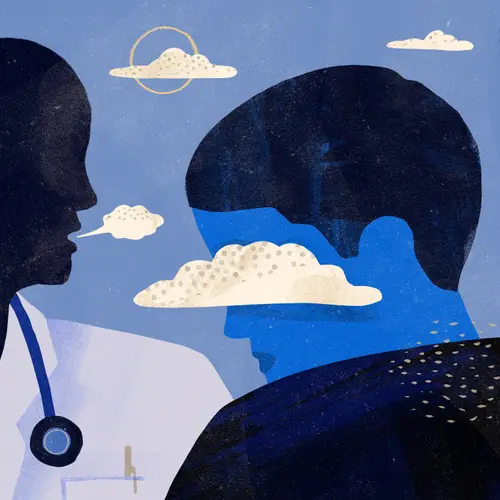
Substance abuse isn't something you should take lightly. It occurs when you use alcohol, prescription medicine, and other legal and illegal substances too much or in the wrong way.
Substance abuse differs from addiction. Many people with substance abuse problems are able to quit or can change their unhealthy behavior. Addiction, on the other hand, is a disease. It means you can’t stop using even when your condition causes you harm.
Commonly Abused Drugs
Both legal and illegal drugs have chemicals that can change how your body and mind work. They can give you a pleasurable “high,” ease your stress, or help you avoid problems in your life.
Alcohol
Alcohol affects everyone differently. But if you drink too much and too often, your chance of an injury or accident goes up. Heavy drinking also can cause liver and other health problems or lead to a more serious alcohol disorder.
If you’re a man and you drink more than four drinks on any day or more than 14 in a week, you’re drinking too much. For women, heavy drinking means more than three drinks in one day or more than seven drinks a week.
One drink is:
- 12 ounces of regular beer
- 8-9 ounces of malt liquor, which has more alcohol than beer
- 5 ounces of wine
- 1 1/2 ounces of distilled spirits like vodka and whiskey
Prescription and Over-the-Counter (OTC) Medicine
These can be just as dangerous and addictive as illegal drugs. You can abuse medicine if you:
- Take medicine prescribed for someone else
- Take extra doses or use a drug other than the way it’s supposed to be taken
- Take the drug for a non-medical reason
Types of prescription drugs that are most often abused include:
- Opioid pain relievers
- Stimulant medications used to treat attention deficit hyperactivity disorder
- Anxiety and sleep medicines
The most commonly abused OTC drugs are cough and cold medicine that have dextromethorphan, which in high doses can make you feel drunk or intoxicated.
Heroin
This illegal drug is the natural version of manmade prescription opioid narcotics. Heroin gives you a rush of good feelings at first. But when it wears off, everything slows down. You’ll move and think more slowly, and you may have chills, nausea, and nervousness. You may feel a strong need to take more heroin to feel better.
Cocaine
This drug speeds up your whole body. When you use cocaine, you may talk, move, or think very fast. You may feel happy and full of energy. But your mood may then shift to anger. You may feel like someone is out to get you. It can cause you to do things that don’t make sense.
Using cocaine for a long time will lead to strong cravings for the drug.
Marijuana
A growing number of states have legalized medical uses of marijuana. A handful of states also allow recreational pot. But in most states, it’s still illegal.
Marijuana can make you feel silly and laugh for no reason. Or you may feel sleepy and forget things that just happened. Driving while high on pot is just as dangerous as drunk driving. And heavy marijuana use can leave some people “burned out” and not think or care about much.
Cigarettes and Other Tobacco Products
You may not think of these as drugs. But tobacco has a chemical called nicotine that gives you a little rush of pleasure and energy. The effect can wear off fast and leave you wanting more. You can abuse and get addicted to the nicotine in cigarettes, just like other drugs.
Signs of a Substance Use Problem
When you first start taking a substance, you may think you can control how much you use. But over time, you may need more of the drug to get the same feeling or effect. For some people, that can lead beyond abuse to addiction. Signals that you may have a problem with substance abuse include if you:
- Lack interest in things you used to love
- Change your friends a lot
- Stop taking care of yourself
- Spend more time alone than you used to
- Eat more or less than normal
- Sleep at odd hours
- Have problems at work or with family
- Switch quickly from feeling good and bad
Crave or strongly desire to use the substance
Don't Wait. Get Help Now.
Substance abuse affects every part of your life. It can hurt you and the people around you. It can ruin relationships and your financial health. Abusing drugs can also lead to addiction and cause serious health problems and even death.
If you or a loved one is struggling with substance abuse, WebMD Connect to Care Advisors are standing by to help.