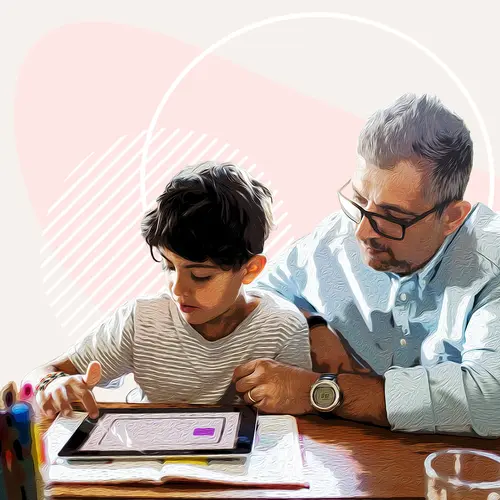
July 10, 2000 -- When Beth Kaplaneck was told in the early '90s that her 8-year-old son had attention deficit hyperactivity disorder (ADHD), one of the most common childhood behavior disorders in the United States, she began a decade-long struggle to get appropriate care -- the right combination of medication, psychological counseling, and classroom assistance. She fought the school system, her insurance company, and sometimes her doctors. "I had to be very, very aggressive," says Kaplaneck, the president of the Washington, D.C.-based group Children and Adults With Attention Deficit and Hyperactivity Disorder.
A decade later, parents still face many of the same barriers to proper treatment that Kaplaneck did, even though studies have shown the type of care most of these kids need to thrive, including the use of drugs. But treating ADHD with medication has come under increasing criticism lately, leaving parents confused and concerned. What really works best for kids with ADHD?
Medication Still Most Effective Treatment
In the largest ADHD clinical trial undertaken to date, published December 1999 in the Archives of General Psychiatry, nearly 600 children with ADHD, aged 7 to 10, were randomly assigned to one of four groups for 14 months:
1. A carefully monitored medication program involving half-hour, monthly appointments with a pharmacotherapist (using various medications, predominantly Ritalin).
2. Behavioral therapy alone, including family counseling, classroom aides who worked with the kids, parent support groups, and a therapeutic summer camp.
3. A combination of medicine and therapy.
4. Standard community care with referrals to local, low-cost mental health clinics where medication or behavior therapy, or both, might be offered.
The study found that a well-managed medication program, or drug therapy alone, was more effective than behavior therapy alone in alleviating the symptoms of ADHD.
"The message here is that medicine is nothing to be afraid of," says Peter S. Jensen, MD, the principal investigator. "It is clearly the most effective treatment and has a powerful beneficial effect." Jensen explains that the medication worked so well in the study because it was very carefully monitored and individually adjusted. Children received on average 35 milligrams of medication a day, while doctors often prescribe an average of only 20 to 23 milligrams a day for any particular medication. The medicine was administered three times a day, although children ordinarily take their medicine only twice a day.
Russell Barkley, PhD, professor of psychiatry and neurology at the University of Massachusetts Medical School and author of Taking Charge of ADHD, says the study should reassure concerned parents of kids correctly diagnosed with ADHD. "Parents should know that if their children are getting medication alone, they're getting the single most effective treatment."
(It's important to note that while medication alone worked best to alleviate the symptoms of ADHD, two-thirds of kids in the study had additional psychological or social problems that were most effectively treated with behavioral therapy.)
Getting the Right Treatment
In a perfect world, a child's school, health insurance company, and community resources all work together to provide the right treatment. But the reality is that sometimes a child's needs can slip through the cracks. This is especially true of children whose insurance companies and schools simply refer the child to resources in the community for treatment rather than offering assistance through a private doctor or working with the school's resources. The children in the study who were referred to community resources had the least improvement of ADHD symptoms (though all the children improved somewhat).
According to Jensen, community services -- such as locally funded health clinics -- often fall short of providing optimal care for ADHD kids because of inadequate monitoring of medications, lack of follow-up care, and restrictions on mental health services by managed care companies. "Treatment [in the community] is so haphazard. You can't just eyeball a kid and know the correct dose of medication," says Jensen, who is also professor of psychiatry and director of the Center for the Advancement of Children's Mental Health at Columbia University.
What can a parent do to ensure the best treatment? For starters, make sure your child has been correctly diagnosed, possibly by getting a second opinion. "Many children are mistakenly diagnosed with ADHD," says Jensen. "Other problems, such as depression, can be the real cause of symptoms like an inability to stay focused."
If the diagnosis of ADHD is accurate, discuss the medication dosage with your child's doctor to make sure it is appropriate, says Jensen. Also, explore the possibility of administering medication three times daily instead of two.
Talk to your child's teachers about his or her behavior in the classroom (which can be better or worse than behavior elsewhere), and share the information with your child's doctor. "Know what type of help your child is entitled to in the classroom, through your insurance, and via programs funded by the government," says Kaplaneck. And join a parents' support group, she says, where you can swap information with other parents.
The Right Treatment Pays Off
With carefully monitored medication, psychological counseling, and special help in school, Kaplaneck's son graduated from high school this year and will enroll at Adelphi University in New York in the fall. His major? Psychology. And he intends to work with ADHD kids. "His experience will make him a wonderful mentor and advocate for those children," she says.
Kaplaneck acknowledges, though, that it has been a tough journey. "You have to realize that there is no quick fix here, but you can succeed if you're aggressive about getting help," she says.
Rochelle Jones is a writer based in Bethesda, Md. She has covered health and medicine for The New York Daily News and The St. Petersburg Times.