Commonly Abused Prescription and OTC Drugs

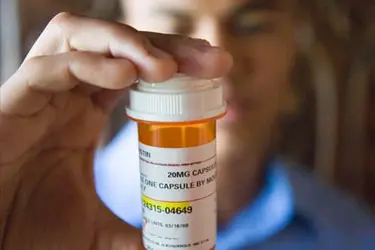
Drug Abuse
Drug abuse isn't just about street drugs. Besides marijuana, legal medicines are the most commonly abused drugs in the U.S. Over-the-counter and prescription drugs can help and heal us. But some can be addictive and dangerous if they’re used the wrong way.
Keep your family safe. Use this guide to help you spot some commonly misused medicines. Because drugs come in many forms, not all pills and tablets are shown. Drug pictures are not to scale.

Barbiturates
These are sedatives like phenobarbital, pentobarbital (Nembutal), and secobarbital (Seconal). They help with anxiety, sleep problems, and some seizures. But if you take more than prescribed, you can get addicted. High doses can cause trouble breathing, especially if you use them when you drink alcohol. If you can’t function without barbiturates, get help. Going into withdrawal can be dangerous.

Benzodiazepines
Alprazolam (Xanax), clonazepam (Klonopin) and diazepam (Valium) are two examples of benzodiazepines -- another type of sedative that can help with anxiety, panic attacks, and sleep problems. They work well and they're safer than barbiturates. But overused, and even used as prescribed, they can also lead to physical dependence and addiction. Stopping these medications abruptly can be dangerous. If you feel you depend on these medications, talk to your doctor. Prescription drugs shouldn't be shared. They are only for the person with the prescription.

Sleep Medicines
If you have trouble sleeping, drugs like zolpidem (Ambien), eszopiclone (Lunesta), and zaleplon (Sonata) can help you get the rest you need. But if you use them longer than your doctor suggests, you may become dependent and need them to sleep. Practicing sleep hygiene skills is the best way to deal with sleep problems. Although they're not as addictive as some sleeping pills, doctors are concerned about abuse if they're not taken as prescribed.

Codeine and Morphine
Some of the most commonly abused prescription meds are painkillers -- specifically, opioids. These drugs dull pain, but in large doses they can also cause a euphoric high -- and dangerous side effects. Doctors usually prescribe morphine for severe pain and codeine for milder pain or coughing. Brands of morphine include Avinza,Kadian, and MS Contin.

OxyContin, Percocet
Another opioid painkiller is oxycodone. It's in drugs like OxyContin, Percocet,Percodan, and Roxicodone. People who abuse oxycodone sometimes crush it and snort it or inject it -- greatly raising the risk of overdose. Street names include "oxy," "O.C.," and "oxycotton" for OxyContin and "percs" for Percocet or Percodan.

Vicodin, Lortab, Lorcet
These drugs contain the opioid hydrocodone plus acetaminophen. Opioids cause drowsiness and constipation. High doses can cause dangerous breathing problems. Vicodin's street names include "vike" and "Watson-387." If you feel sick, like you're having the flu, after stopping any of these opioid medications, your body may have become dependent. Talk to you doctor if you feel you need these medications for more than pain relief.

Amphetamines
When prescribed, stimulants like the amphetamines Adderall,Adderall XR, Dextroamphetamine, and Mydasis can help people with ADHD. But some people use amphetamines to get high, to boost energy and alertness, or to keep their weight down. You can get addicted to stimulants. High doses can cause a dangerous rise in body temperature, irregular heartbeat, and even cardiac arrest. Nicknames for amphetamines include "bennies," "black beauties," and "speed."

Methylphenidate
This is a stimulant in ADHD drugs like Concerta, Daytrana, Metadate, Methylin, and Ritalin. Its nicknames include "MPH," "R-ball," "Skippy," "the smart drug," and "vitamin R." If you take stimulants, combining them with common decongestants can cause dangerously high blood pressure or an irregular heartbeat.

Dextromethorphan (DXM)
It's not just prescription drugs that are a problem. Dextromethorphan is a common ingredient in over-the-counter cold and cough medicines -- it helps stop the cough. But large doses can get you high and cause hallucinations. It's popular among teens, since cough syrup is so easy to find in medicine cabinets. High doses also cause vomiting, rapid heart rate, and -- rarely -- brain damage.

Pseudoephedrine
This is a decongestant in lots of non-prescription cold medicines. While it helps clear up a stuffy nose, it's also an ingredient in illegal methamphetamine ("meth"). To curb meth abuse, U.S. laws now control how you buy pseudoephedrine products. That's why some cold medicines are located behind the counter and why you may have to sign for some.

Spotting a Suspicious Pill
Found a random pill around the house or in your teen's jacket? Want to know what it is? WebMD's Pill Identification Tool may help. But because there are hundreds of drugs and thousands of pills and tablets of all shapes, colors, and sizes, you may need a pharmacist to identify it.

Drug Abuse: What to Do
Worried that someone you love might be abusing drugs? The best thing to do is ask directly. Keep an eye out for signs of abuse, like behavior changes or missing medicines.
Many kids assume that common household drugs or even prescription medicines are safer than street drugs because they're legal. Explain the risks. Head off problems -- and clean out your medicine cabinet. Get rid of the drugs you don't need, and keep track of the ones you do.