A TSH test is done to find out if your thyroid gland is working the way it should. It can tell you if your thyroid gland is overactive (hyperthyroidism) or underactive (hypothyroidism). This test can also detect a thyroid disorder before you have any symptoms. If untreated, a thyroid disorder can cause health problems.
TSH stands for “thyroid stimulating hormone,” and the test measures how much of this hormone is in your blood. TSH is produced by the pituitary gland in your brain, which tells your thyroid to make and release other key hormones that your body needs to function.
What Is a Thyroid?
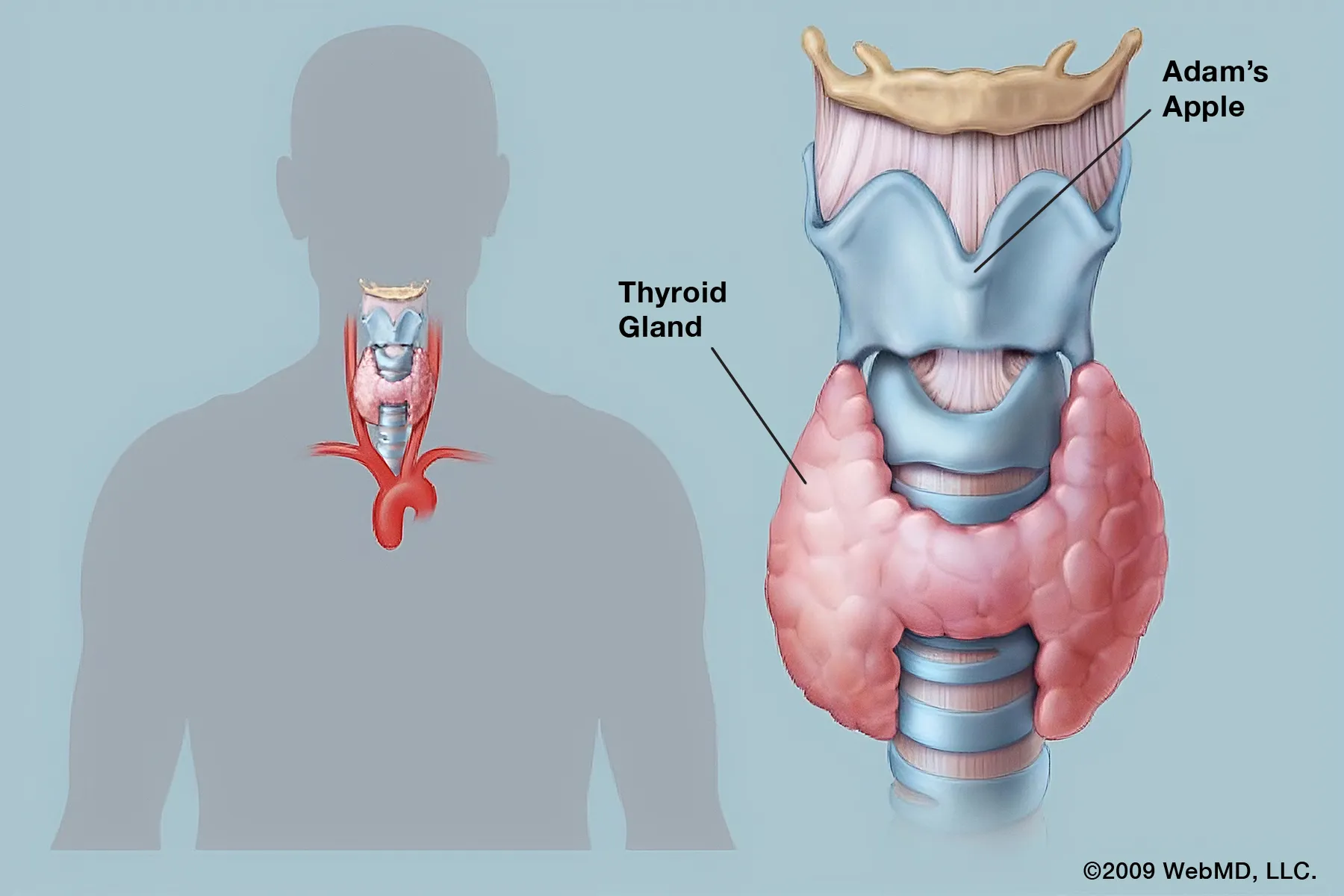
The thyroid is a small butterfly-shaped gland in your neck. It's part of your endocrine system, a complex network of glands and hormones (chemical messengers) that control how your body functions, from your growth and development to your moods.
Your thyroid manages your metabolism—how quickly your body turns food into energy for your cells. To do that, it relies on TSH, or what's also called thyrotropin. TSH triggers your thyroid to make a hormone called thyroxine (T4). Once released into your blood, T4 is turned into another, more potent hormone called triiodothyronine (T3). “Thyroid hormone” refers to both T3 and T4.
Thyroid hormone controls several body functions, such as:
- Your heart rate
- How you digest food
- Your muscle control
- Bone health
- Brain health
Other hormones produced by your thyroid are:
- Reverse triiodothyronine (rT3), which puts the brakes on T3 (rT3 levels rise when you're very sick)
- Calcitonin, which helps balance the calcium levels in your blood
If your pituitary gland makes too much or too little TSH, then your thyroid hormone levels will be off as well. And if your thyroid hormone levels are out of balance, so will be your TSH. This feedback loop can affect your health.
If your thyroid isn't working like it should, you'll feel the impact throughout your body. Your heart, nervous system, reproductive organs, and digestive system can all be affected.
Normal TSH Levels
Doctors have figured out normal TSH levels by age. The ranges are as follows:
- Babies less than 5 days old: 0.7-5.2 micro-international units per milliliter (uIU/mL)
- Babies aged 6-90 days: 0.72-11.0 uIU/mL
- Babies aged 4-12 months: 0.73-8.35 uIU/mL
- Kids aged 1-6 years: 0.7-5.97 uIU/mL
- Kids aged 7-11 years: 0.6-4.84 uIU/mL
- Teens and young adults (12-20 years): 0.51-4.3 uIU/mL
- Adults 21 and older: 0.27-4.2 uIU/mL
TSH and pregnancy
Being pregnant can affect your TSH levels. In general, the TSH levels during different trimesters are as follows:
First trimester: 0.18-2.99 (uIU/mL)
Second trimester: 0.11-3.98 uIU/mL
Third trimester: 0.48-4.71 uIU/mL
Keep in mind that these values can vary slightly, based on the lab which does your TSH test. If you have questions about your results, always ask your doctor.
TSH Blood Test
The TSH test simply involves drawing some blood from your body. The blood will then be analyzed in a lab. This test can be performed at any time during the day. No prep is needed (such as overnight fasting). You shouldn’t feel any pain beyond a small prick from the needle in your arm. You may have some slight bruising.
In general, there's no need to stop taking any medicine(s) before having your TSH level checked. However, it is important to let your doctor know what medications you're taking. Some drugs can affect thyroid function. For instance, thyroid function must be monitored if you're taking lithium. While on this drug, there's a high chance that your thyroid might stop working like it should. For that reason, it's advised that you have a TSH level test before starting this medicine.
If your levels are normal, then you can have them checked every 6-12 months, as advised by your doctor. If your thyroid function becomes abnormal, you'll need to be treated.
High TSH
TSH levels typically fall between 0.4 and 4.0 mU/L, according to the American Thyroid Association. Ranges may vary with labs, with the upper limit generally being between 4 and 5. If your TSH level is higher than this, chances are you have an underactive thyroid.
In general, T3 and T4 levels increase in pregnancy , while TSH levels decrease.
Low TSH
Your test result could also show lower-than-normal levels of TSH and an overactive thyroid. This could be caused by:
- Graves’ disease (your body’s immune system attacks the thyroid)
- Too much iodine in your body
- Too much thyroid hormone medication
- Too much of a natural supplement that contains thyroid hormone
If you're on medications such as steroids, dopamine, or opioid painkillers (such as morphine), you could get a lower-than-normal reading. Taking biotin (B vitamin supplements) also can falsely give lower TSH levels.
The TSH test usually isn’t the only one used to diagnose thyroid disorders. Other tests, including the free T3, the free T4, the reverse T3, and the anti-TPO antibody, are also used often when trying to decide whether you need thyroid treatment.
What Else Affects a TSH Test
High or low TSH levels aren't always a cause for concern. Many factors can also affect these levels, such as:
- Age. TSH levels tend to be higher in people over the age of 80. It doesn't mean that you have a health issue.
- Pregnancy. Your body goes through lots of changes during pregnancy, and that includes TSH levels. They often dip slightly during the first trimester, then start to rise.
- Health issues. Any type of illness can cause TSH levels to drop. They should return to normal levels once you start feeling better.
- Medications and supplements. Many different types of drugs and some over-the-counter supplements and multivitamins can affect TSH levels. Make sure your doctor knows what you take on a daily basis.
When looking at your TSH levels, your doctor can factor in the results of other thyroid tests you've taken. That can help them better understand your results and decide their next steps.
Treatment
Treatment for an underactive thyroid usually involves taking a daily pill that contains a manmade thyroid hormone. This medication will get your hormone levels back to normal, and you may begin to feel less tired and lose weight.
To make sure you're getting the right dose of medication, your doctor will check your TSH levels after 2 or 3 months. Once they're sure you're on the correct dosage, they'll check your TSH level each year to see whether it is normal.
If your thyroid is overactive, there are several options:
- Radioactive iodine to slow down your thyroid
- Antithyroid medications to prevent it from making too many hormones
- Beta-blockers to reduce a rapid heart rate caused by high thyroid levels
- Surgery to remove the thyroid (this is less common)
Your doctor may also regularly check your TSH levels if you have an overactive thyroid.