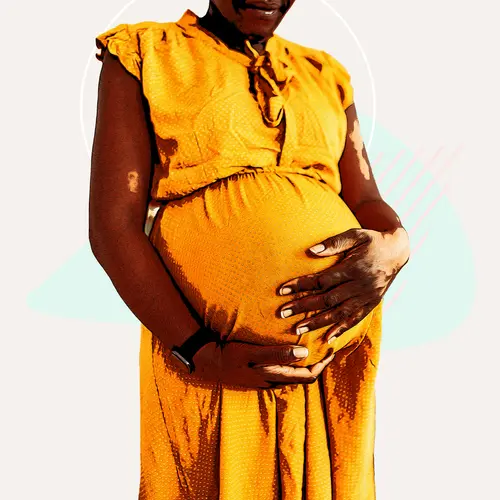

Premature labor is also called preterm labor. It’s when your body starts getting ready for birth too early in your pregnancy. Labor is premature if it starts more than 3 weeks before your due date.
Premature labor can lead to an early birth. But the good news is that doctors can do a lot to delay an early delivery. The longer your baby gets to grow inside you -- right up to your due date -- the less likely they are to have problems after birth.
What Raises Your Risk?
Lots of things can increase your risk of premature labor. Some of them are:
- Smoking
- Being very overweight or underweight before pregnancy
- Being in your teens or age 40 or older
- Not getting good prenatal care
- Drinking alcohol or using street drugs during pregnancy
- Having health conditions, such as high blood pressure, preeclampsia, diabetes, blood clotting disorders, or infections
- Being pregnant with a baby that has certain birth defects
- Being pregnant with a baby from in vitro fertilization
- Being pregnant with twins or other multiples
- A family or personal history of premature labor
- Getting pregnant too soon after having a baby
Symptoms
To stop premature labor, you need to know the warning signs. Acting fast can make a big difference. Call your midwife or doctor right away if you have:
- Backache, which usually will be in your lower back. This may be constant or come and go, but it won’t ease even if you change positions or do something else for comfort.
- Contractions, every 10 minutes or more often, that get faster and more severe
- Cramping in your lower abdomen or menstrual-like cramps. These can feel like gas pains that may come with diarrhea.
- Fluid leaking from your vagina
- Flu-like symptoms such as nausea, vomiting, or diarrhea. Call your doctor even about mild cases. If you can’t tolerate liquids for more than 8 hours, you must see your doctor.
- Increased pressure in your pelvis or vagina
- Increased vaginal discharge
- Vaginal bleeding, including light bleeding
Some of these may be hard to tell apart from normal symptoms of being pregnant, like backache. But you can't be too cautious. Get any possible warning signs checked out.
How to Check for Contractions
Checking for contractions is a key way of spotting early labor.
- Place your fingertips on your abdomen.
- If you feel your uterus tightening and softening, that’s a contraction.
- Time your contractions. Write down the time when a contraction starts, and write down the time at the start of the next contraction.
- Try to stop the contractions. Get off your feet. Change your position. Relax. Drink two or three glasses of water.
- Call your doctor or midwife if you continue to have contractions every 10 minutes or more often, if any of your symptoms get worse, or if you have pain that’s severe and doesn’t go away.
Keep in mind that many women have harmless false labor called Braxton Hicks contractions. These are usually erratic, don't get closer together, and stop when you move around or rest. They are not part of labor. If you're not sure about the type of contractions you’re feeling, get medical advice.
If You Need to Go to the Hospital
If your doctor or midwife thinks you're going into premature labor, you probably need to go to the hospital. Once you arrive, a doctor, midwife, or nurse will:
- Ask about your medical history, including medicines you’ve been taking during pregnancy.
- Check your pulse, blood pressure, and temperature.
- Put a monitor on your belly to check your baby's heart rate and your contractions.
- Swab for fetal fibronectin, which helps predict the risk of delivering early.
- Test your urine or cervix for infection.
- Check your cervix to see if it is opening.
If you are diagnosed with premature labor, you may need treatment, which may include:
- IV fluids
- Medicine to relax your uterus and stop labor
- Medicine to speed up the development of your baby's lungs
- Antibiotics
- Being admitted to the hospital
If your labor has kept up and can’t be stopped, your doctor or midwife will get ready to deliver your baby. They may also do this when you have an infection of the amniotic fluid and uterus or an illness such as severe preeclampsia or eclampsia (high blood pressure that happens during pregnancy).
A baby may also be delivered early if it’s not doing well, if you have placenta previa (a placenta covering the cervix) that bleeds a lot, if you have placental abruption (detached placenta), or if certain birth defects or malformations are found.
If doctors say you’re not in premature labor, you can go home. Despite the popular belief, bed rest doesn't seem to help prevent preterm birth and has risks of its own.
Can I Prevent Premature Birth?
The most important things you can do to help have a healthy baby are to be in the best of health before you get pregnant and to get prenatal care.
It may not be possible to avoid preterm labor and preterm birth, but these steps may help:
- Try to reduce your stress. Set aside some quiet time every day and ask for help when you need it.
- Researchers have also found a link between gum disease and preterm birth, so brush and floss your teeth daily.
- If you smoke, quit.
Your doctor will check you for risk factors of premature delivery and discuss which precautions you should take. Measuring the length of the cervix using a special transvaginal ultrasound probe can help predict your risk of delivering prematurely. This is usually done between 20 and 28 weeks of pregnancy, if necessary.
Recent studies have shown that treatment with a hormone called progesterone can prevent preterm birth in certain women. Vaginal progesterone is given to pregnant women found to have a short cervix. And women who’ve had a preterm birth before and who are pregnant with one baby can get progesterone shots throughout pregnancy to lower their risk.
What Happens if My Baby Is Born Early?
About 1 in 10 babies born in the U.S. are preemies. Most preemies do well as they get older and catch up to their full-term peers in time.
But these kids do have a higher risk of problems. Premature babies grow more slowly than babies born at full-term. They may be slower to roll onto their back, speak, or grasp and hold objects with their hands. They have a higher risk of certain long-term health problems, including autism, intellectual disabilities, cerebral palsy, lung problems, and vision and hearing loss. Other kids have behavior issues later on. Some have emotional outbursts or are hyperactive. They may have learning or reading problems in school.
The earlier a baby is born, the more likely they are to have problems. Those born after 7 months usually need a short stay in the hospital’s neonatal intensive care unit (NICU.) Babies born earlier than that face much bigger challenges. They will need specialized care in the NICU.
Once you're both home from the hospital, watch for signs that you may need to call your doctor’s office or take your infant to the emergency room.
Nursing. Your little one may eat slowly and not be able to take in as much milk or formula as a full-term baby. You’ll feed them more often, about every 3 or 4 hours. If they refuse to eat, call your doctor or nurse. If your baby has a hard time learning to breastfeed, ask for help from your nurse, doctor, or a lactation consultant.
Sleeping. Your baby may be sleepier than full-term infants. They may even sleep through feedings. Wake your baby when it’s time to eat. Put them on their back to sleep.
Breathing. Call your doctor or 911 if you notice they are having a hard time breathing.
Body temperature. Preterm babies don’t have as much body fat to keep their temperature normal. Keep your infant away from cold drafts. Keep their room warm and cozy. In winter, dress them in layers to keep them warm.
Jaundice. If your baby’s skin or eyes are yellow, or they have trouble eating, it may be a sign of this condition. It means their liver can’t clear their blood of something called bilirubin. Make sure they have checked for jaundice before you leave the hospital, and call your doctor if you notice any symptoms. This can lead to brain damage if not treated early.
Infections. Preterm babies don’t have a fully developed immune system. That puts them at higher risk for infections. Watch for symptoms of illness like high fever or breathing problems. Call your doctor if you think your child needs treatment for an infection.