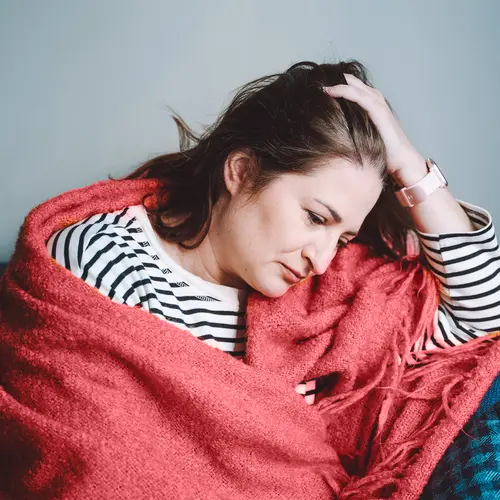
Opioid addiction is a chronic medical condition. It can create long-term changes to your brain. Luckily, early treatment intervention can help you avoid some of the long-term health conditions associated with addiction to opioids.
It takes much more than willpower to break free of prescription drug misuse, but you can escape the cycle of detox and relapse. It may be a long-term process, but medications and counseling can improve your chances of success. Heroin and street fentanyl are also opioids, and addiction to them is treated similarly to prescription drug addiction.
Physical Dependence and Detox
Opioid addiction leads to changes in certain areas of your brain. It alters the circuits that handle mood and reward behavior.
In addition, long-term prescription drug and street opioid misuse affects almost all of your body’s systems. When you cut off the opioid supply, you’re likely to get withdrawal symptoms such as:
If you have an opioid (also called a narcotic) addiction, you know that a list of these symptoms doesn't capture the agony of going through them. It’s very unpleasant, and you’ll do almost anything to avoid it.
Opioid withdrawal lasts hours to days -- and sometimes weeks. It depends on which drug you were taking, how long you were taking it, and how much. After the intense initial symptoms subside, some physical and mental discomfort may linger for weeks.
Medication for Opioid Addiction
The symptoms of withdrawal are a major reason for relapse and further prescription drug abuse. But medications can help you through opioid withdrawal and prevent symptoms. After the initial detox, you’re at risk for relapse. Experts say psychological and social factors are the main drivers that could push you back to using. Stress and situations that remind your brain of the pleasure the drug can bring are common triggers. Successful, lifelong therapy to stay opioid-free usually involves long-term medication as well as counseling or talk therapy programs.
Methadone (Dolophine, Methadose) is a long-acting opioid that affects the same parts of your brain as the drug you’re having a problem with, but it doesn’t get you high. You can take it every day, but you have to go to a special clinic to get it. The correct dose prevents withdrawal symptoms and eases drug cravings.
Buprenorphine is another medication that is approved for the treatment of opioid dependence. It hits the same receptors in your brain, but not as strongly. It has less risk of lethal overdose, so experts often favor it. It is also available in combination with naloxone.
It comes in several forms:
- Tablet (Suboxone, Zubsolv)
- Shot (Buprenex, Sublocade)
- Film placed in your mouth against your cheek (Belbuca)
- Skin patch (Butrans)
- Implant that goes under your skin and lasts about 6 months (Probuphine)
Naltrexone blocks opiate receptors. Unlike methadone or buprenorphine, it doesn't ease withdrawal symptoms or cravings. But you can’t get high if you use drugs while taking it. Naltrexone works best as part of a broad recovery treatment program. You’ll start it when you’re done with detox. You can take it:
- By mouth (Revia)
- By injection (Vivitrol)
Lofexidine hydrochloride (Lucemyra) is not an opioid, but you can use it to ease symptoms for a rapid detoxification. It has been approved for use for up to 14 days. Clonidine is similar to lofexadine and also used to treat symptoms of opioid withdrawal.
Completing detox eases the physical effects of narcotic addiction and opioid withdrawal. But when cravings strike, they’re hard to resist. If you go through detox and short-term counseling without maintenance treatment, chances are high that you’ll relapse.
Counseling and Behavioral Therapies for Opioid Addiction Treatment
Your chances of beating narcotic addiction are better with long-term maintenance therapy that includes medications along with some form of counseling or behavioral therapy. This is known as medication-assisted treatment (MAT).
Counseling with a qualified health professional helps you deal with any personal or social problems that may be leading to addiction or making it worse. These include:
- Your feelings of self-worth
- Problems at work or home
- People around you who use drugs or alcohol
Your treatment program may involve one or more of these:
- Contingency management uses incentives or rewards to help you meet goals such as sticking with medications or attending treatment.
- Motivational interviewing helps you identify reasons why you might not want to change your behavior.
- Cognitive-behavioral therapy (CBT) shows you why you might be using drugs, builds your belief that you can address your problems, and teaches you to cope with struggles more effectively.
- Family therapy brings in people who care about you to strengthen your treatment.
- 12-step groups involve defined goals such as attending meetings or getting a sponsor.
- Support groups introduce you to people who know from experience what you’re going through. They can offer their own tips for recovery and help you deal with any setbacks.
Residential Treatment
With residential treatment programs, you live with people who are in similar situations and support each other through recovery. Some hospitals also offer inpatient programs for people who have medical conditions. These treatments include several kinds of counseling or behavioral therapy as well as medications.
Get Started On The Road to Recovery Today!
If you or a loved one are struggling with an addiction, you don’t need to fight the battle alone. WebMD Connect to Care Advisors are standing by to get you started on the road to recovery today.