What Is Stress?
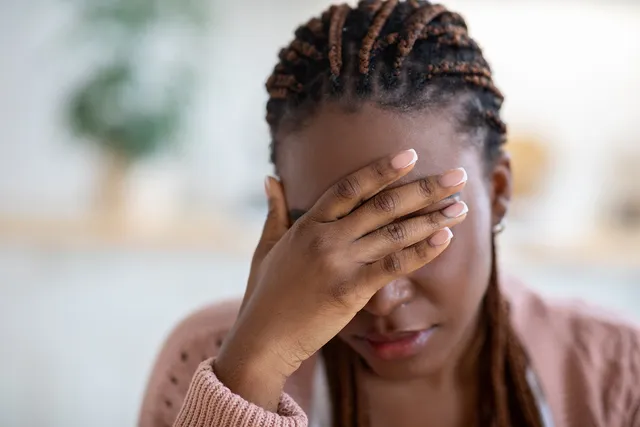
Stress is your body’s reaction to pressure from a certain situation or event. It can be a physical, mental, or emotional reaction.
We all deal with stress at some point in our lives. Maybe it’s your job, a family illness, or money troubles. These are common triggers. According to a recent study, about half of all Americans say they’re dealing with moderate stress.
Not all stress is bad. It can make you more aware of things around you and keep you more focused. In some cases, stress can give you strength and help you get more done.
Stress Symptoms
Acute stress
Sometimes you can feel stressed for a short period of time. Usually, it’s nothing to worry about. Like when you need to hand in a project, or you have to talk in front of a group of people. Maybe you feel “butterflies” in your stomach and the palms of your hands get sweaty.
These types of positive stressors are short-lived, and your body’s way of helping you get through what could be a tough situation.
Chronic stress
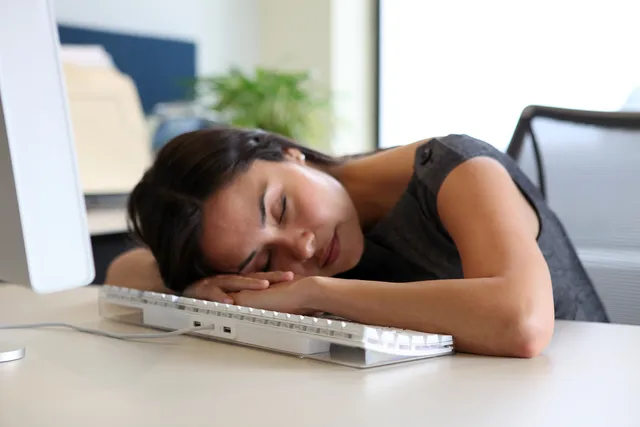
If you let your stress spiral on for too long, it can have damaging effects on your physical, mental, and emotional health, especially if it becomes chronic. You need to be aware of the warning signs of chronic stress so you can take care of it.
Physical effects of chronic stress include:
- Headache
- Trouble sleeping, or sleeping too much
- Muscle pain or tension
- Digestive issues
- Change in sex drive
- High blood pressure
Emotional effects of chronic stress include:
- Feeling you can’t get things done
- Moodiness
- Anxiety
- Restlessness
- Lack of motivation
- Irritability
- Sadness or depression
Sometimes you may feel like you have too much stress to handle. If you think you just can’t manage it, you may want to seek help from a specialist. Talk to your primary care doctor to see if they can help you determine whether what you’re experiencing is stress or an anxiety disorder.
They can also refer you to a mental health expert and provide you with additional resources and tools.
Signs of stress overload include:
- Panic attacks
- Worrying all the time
- Feeling you’re under constant pressure
- Drinking or doing drugs to deal with your stress
- Overeating
- Smoking
- Depression
- Withdrawal from family and friends
Stress Causes
Stress is different for everyone. What stresses you out may not even bother your best friend and vice versa. But many causes of stress can have a negative impact, including:
- Being bullied
- Working too hard
- Losing a job
- Marriage or relationship problems
- Recent break-up or divorce
- Death in the family
- Difficulty in school
- Family problems
- Busy schedule
- Recent move
Still, our bodies react the same to stressors. That’s because the response is your body’s way of dealing with tough or demanding situations. It causes hormonal, respiratory, cardiovascular, and nervous system changes. For example, stress can make your heart beat faster, make you breathe rapidly, sweat, and tense up. It can also give you a burst of energy.
This is known as the body’s “fight-or-flight response.” It’s this chemical reaction that prepares your body for a physical reaction because it thinks it’s under attack. This type of stress helped our human ancestors survive in nature.
Stress Diagnosis
If you’re having trouble managing stress or your reaction to a certain event is more intense and lasts longer than usual, it’s a good idea to talk with a specialist who can help.
They’ll probably ask you some questions related to the following:
- Whether a traumatic life event happened within the past 3 months
- Whether your stress levels are higher than usual when you react to situations at home or at work
- If your stress might be related to grieving
- If you have a mental disorder that might be linked to your stress
Based on your answers to these questions and other areas you talk about, the specialist can recommend some things that can help.
Stress Management
Stress doesn’t have to negatively affect you if you learn to handle it. A few things you can try include:
- Recognize what causes you stress -- at home or at work -- and find ways to steer clear of those situations.
- Try not to take on too much and prioritize your goals. Cut yourself a break and be more forgiving when you don’t get to everything.
- Being self-critical can add to your stress. Replace negative thoughts with positive ones. Tell yourself "I think I can" rather than "I know I can't."
- Create a network of close friends and co-workers you can go to when stress starts to build. A hobby or a cause to volunteer for can be good outlets.
- Cut down on smoking and drinking. While alcohol and tobacco have had a reputation for helping you relax, they actually can make you more anxious.
- Eat well. A balanced diet can help keep your body healthy and better able to handle stress. Dark chocolate and foods rich in vitamin C, like oranges and grapefruits, may lower stress hormones.
- Carve out some “me time” and get a little exercise. A 15- to 20-minute walk three times a week can break up your day and help you shake off stress.
- Meditation, deep breathing, guided imagery, or other relaxation techniques can help quiet your mind.
- Get a good night’s sleep. You may need to cut down on caffeine during the day and screen time at night. And a to-do list can set up the next day and help you get a more restful night’s sleep.
If these steps don’t help you manage your stress, talk with your doctor about seeing a specialist.
If your stress has gotten to the point that you’re thinking of hurting yourself or someone else, go to the nearest emergency room or call 911. You can also call one of the free suicide prevention helplines, including the Suicide and Crisis Lifeline at 988. You don’t need to give your name.
Show Sources
SOURCES:
The American Institute of Health: “What Is Stress?”
KidsHealth.org: “The Story on Stress” and “TeensHealth: Stress.”
Stress Management Society: “What is Stress?”
National Institute of Mental Health: “Fact Sheet on Stress,” "Q&A on Stress for Adults: How it affects your health and what you can do about it," "How does stress affect your overall health?"
Mayo Clinic: “Stress Management,” “Adjustment Disorders.”
Harvard Medical School: “Understanding the stress response.”
Mental Health Foundation: “Stress.”
American Medical Student Association: "Health Hint: "Breathing Exercises" and "Abdominal Breathing Technique."
News release, University of California, Davis.
National Center for Complementary and Alternative Medicine (NCCAM): "Meditation: An Introduction."
Harvard Medical School: "Exercising To Relax," Sleep and Mood," "Adopt Good Sleep Habits."
Rakel, D. Integrative Medicine, 3rd edition, Elsevier, 2012.
UCLA Center for East-West Medicine: "Eat Right, Drink Well, Stress Less."
News release, American Chemical Society
University of Florida: "Stress Management: Ways To Cope."
American Heart Association: "Four Ways To Deal with Stress."
The Ohio State University Research News: "Omega-3 Reduces Anxiety and Inflammation in Healthy Students."
PsychologyToday.com: "Vitamin C: Stress Buster."