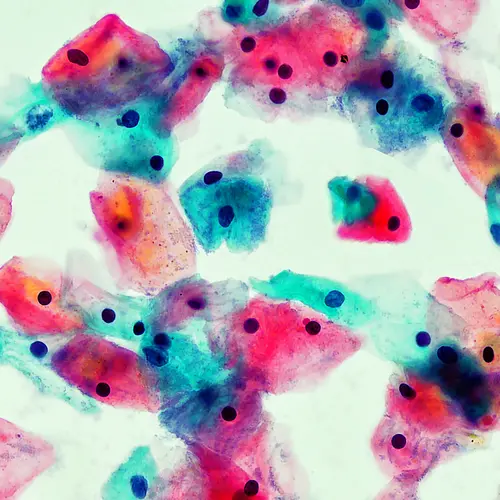
Small intestine cancer is a rare disease where cells in the tissue of the small intestine change. They grow out of control and can form a mass, or tumor.
The small intestine (also called “small bowel”) connects your stomach to your large intestine. Its main job is to break down and absorb food, fats, vitamins, and other substances your body needs. If you have this type of cancer, tumor cells may block the small intestine.
There are five types of small intestine cancer:
- Adenocarcinomas. These make up an estimated 30% to 40% of cases. An adenocarcinoma starts in the lining of the small intestine. At first, it may look like a small, noncancerous growth called a polyp, but over time it can turn into cancer.
- Sarcoma. Cancerous cells develop in the soft tissue of the small intestine.
- Carcinoid tumors. These slow-growing cancers often take root in the lower section of the small intestine. They might also affect your appendix or rectum. These tumors give off large amounts of certain body chemicals, like serotonin.
- Gastrointestinal stromal tumors (GISTs). This is a rare form of small intestine cancer. More than half of them start in the stomach. Not all GISTs are cancerous.
- Intestinal lymphomas. A lymphoma is a cancer that starts in the lymph nodes. People who develop them often have a type of immunodeficiency disorder. That means your body’s natural defense system is weakened and may not fight infection and disease the way it should.
What Causes It, and Who’s at Risk?
Doctors aren’t really sure why people develop it. But they do know that several things can increase your chances of getting the disease:
- How old you are (average age at diagnosis is 60)
- Your sex (slightly higher risk in men)
- Genetics (some disorders you’re born with raise the odds)
- Smoking and alcohol use
- High-fat diet
- Living or working near large quantities of some chemicals, like phenoxyacetic acid
- Other conditions that affect your gut, like Crohn’s, colon cancer, or celiac disease
- Lymphedema (damage to the vessels that connect to the lymph nodes)
What Are the Symptoms?
See your doctor if you notice any of the following signs, which could be caused by small intestine cancer or something else:
What Tests Can Show Whether I Have It?
Your doctor will do a thorough medical exam. They’ll ask about your medical history and any problems you may be having.
They’ll likely order imaging tests. These create pictures of your small bowel so they can see if there’s cancer and whether it has spread. Tests might include X-rays, a CT scan, or MRI.
They might also order an endoscopy. That’s a procedure where your doctor looks at the inside of your esophagus, stomach, and first part of your small intestine. To do this, they’ll use an endoscope -- a thin, tubelike instrument that has a light and camera at the end of it. You’ll be given medication to sedate you for the procedure.
Other tests your doctor might order include the following:
- Blood chemistry tests. These measure the amount of certain substances your body is making.
- Liver function tests. Your doctor checks your blood to measure substances released by your liver (and how much).
- Fecal occult blood test. This detects blood in your stool.
- Lymph node biopsy. Your doctor removes a piece of your lymph node to check for cancer cells.
- Laparotomy. This is major surgery. A doctor cuts into the wall of your abdomen to look for signs of disease.
What Treatments Are Available?
Which treatment your doctor recommends will depend on a number of things, like what type of cancer it is and whether it has spread.
Surgery is the most common treatment. Your surgeon may remove the part of the small intestine that contains cancer. Or they may do “bypass” surgery so that food can go around a tumor that can’t be removed.
Even if your doctor takes out all of the cancer during surgery, they may still suggest radiation therapy. This uses high-energy X-rays to kill cancer cells.
They might also offer chemotherapy (chemo). These are drugs you take by mouth or through an IV tube. They, too, kill cancer cells or stop them from growing.
A number of new therapies are being tested, as well. Talk to your doctor if you’re interested in taking part in one of these clinical trials before, during, or after your treatment.